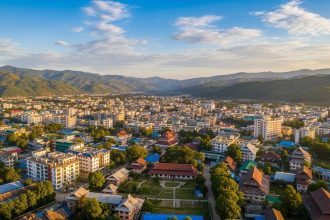
Syria (Brussels Morning Newspaper) January 9, 2026 —A renewed phase of military talks Syria is quietly reshaping security coordination in Aleppo, as officials and intermediaries seek to preserve calm in one of the country’s most strategically significant cities. The discussions, unfolding at the start of 2026, reflect a broader effort to manage post-conflict realities through dialogue rather than confrontation, at a time when residents are eager for predictability after years of upheaval.
Local sources say the talks focus on practical coordination, including communication channels, movement management, and mechanisms to prevent misunderstandings. While the process remains largely behind closed doors, its influence is increasingly visible in the steady rhythm of daily life across Aleppo.
Aleppo’s Role in Syria’s Changing Landscape
Aleppo has long been central to Syria’s political, economic, and cultural identity. Before the war, it was the nation’s industrial heart and a vital trading hub linking regional markets. Years of fighting left neighborhoods scarred and infrastructure strained, yet the city’s strategic importance never diminished.
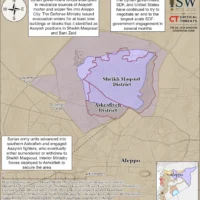
Today, Aleppo stands at the intersection of recovery and risk. Analysts note that sustained military talks Syria are especially significant here because multiple security interests converge within and around the city, making coordination essential to avoid renewed tension.
Why Dialogue Has Become the Preferred Path
Entering 2026, Syria faces growing pressure to stabilize urban centers and restore functional governance. Large-scale battles have largely receded, but unresolved security arrangements continue to influence everyday life.
Officials familiar with the process say the renewed military talks Syria are driven by practical necessity. Clear communication and agreed procedures are seen as the most effective way to maintain calm, particularly in densely populated areas where even small incidents can escalate quickly.
Participants and the Structure of the Talks
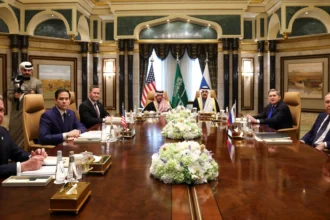
While details remain closely guarded, sources indicate that the discussions involve representatives connected to state security institutions, local coordination bodies, and intermediaries tasked with de-escalation. Rather than pursuing sweeping political agreements, participants are focusing on operational clarity.
Observers say this pragmatic approach reflects lessons learned from earlier phases of the conflict, when broad declarations often failed to translate into stability on the ground. In this phase, military talks Syria are being treated as an ongoing process rather than a single event.
Security Conditions on the Streets of Aleppo
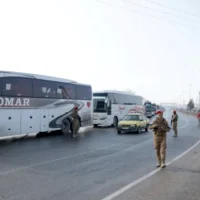
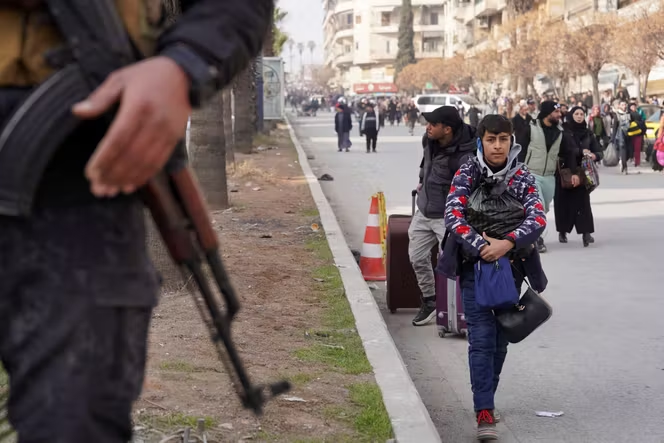
On the ground, Aleppo has experienced relative calm as the talks continue. Markets remain open, public transport is operating, and visible security measures have not intensified. Residents say the atmosphere feels more predictable than during previous periods of uncertainty.
Analysts interpret this as a sign that military talks Syria are reinforcing existing stability rather than responding to an immediate crisis. For many residents, the absence of sudden changes is itself a measure of success.
Northern Syria’s Broader Context
Northern Syria remains shaped by a complex web of local governance, regional interests, and international involvement. Developments in Aleppo often influence neighboring areas with similar arrangements.
The continuation of military talks Syria reflects a broader regional preference for coordination over confrontation, at least in the short term. Maintaining calm in key urban centers is widely viewed as essential to preventing wider destabilization.
Civilian Life and Public Sentiment
For civilians, stability is measured less by official statements and more by daily routines. Residents interviewed across Aleppo emphasized the importance of predictable services, open roads, and functioning markets.
Community leaders report cautious optimism that military talks Syria could help sustain these conditions. However, expectations remain measured, shaped by memories of past negotiations that failed to deliver lasting change.
Humanitarian Access and Coordination
Humanitarian organizations operating in Aleppo stress that clear security coordination directly affects aid delivery. Predictable arrangements reduce delays and lower risks for both workers and beneficiaries.
Aid officials familiar with the discussions say effective military talks Syria could quietly improve access to vulnerable communities, even if outcomes are not immediately visible to the broader public.
How This Phase Differs From Earlier Efforts
Earlier negotiation rounds often took place amid active fighting or under the pressure of ultimatums. In contrast, the current talks are unfolding during a period of relative calm, with a focus on maintaining rather than restoring stability.
Experts argue that this shift reflects a growing recognition that sustained dialogue is more effective than dramatic announcements. In this sense, military talks Syria have evolved into a tool for managing day-to-day realities rather than reshaping the political landscape overnight.
International Observation and Diplomatic Interest
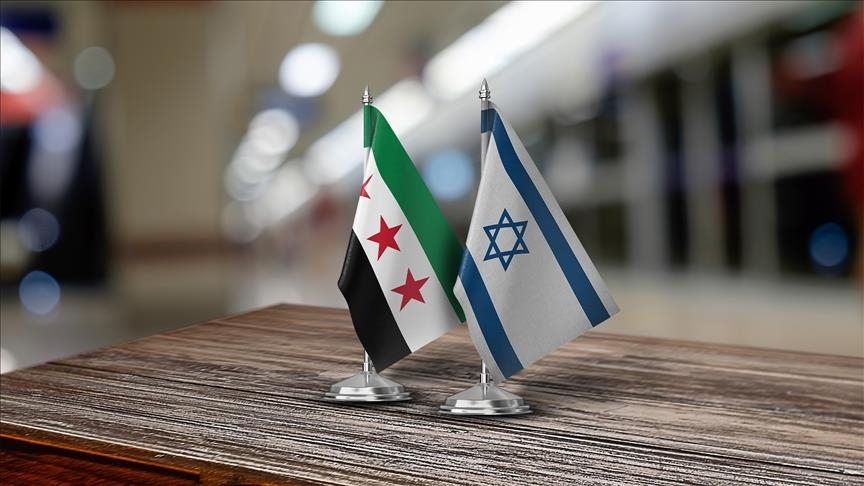
International actors continue to monitor developments closely, though public statements have been limited. Diplomats say the emphasis on dialogue aligns with broader efforts to prevent escalation in an already volatile region.
One regional analyst noted,
“Quiet coordination often achieves more than loud agreements in fragile environments.”
The remark captures why military talks Syria are being viewed as incremental but meaningful steps toward stability.
Economic Recovery and Business Confidence
Aleppo’s economic recovery remains uneven. Small business owners and traders say predictable security conditions are essential for rebuilding supply chains and attracting investment.
Several merchants expressed hope that continued military talks Syria could gradually improve confidence, encouraging cautious expansion rather than mere survival. For many, stability is a prerequisite for any meaningful economic progress.
Risks That Continue to Shadow Progress
Despite the measured tone, risks remain. Northern Syria’s stability is vulnerable to external shocks, misinformation, or isolated incidents that can quickly escalate.
Security experts caution that military talks Syria require sustained commitment and transparent communication. Without these, even small misunderstandings could undermine fragile gains.
Community Voices From Aleppo
Residents expressed a mix of realism and guarded hope. Many stressed that dialogue is preferable to renewed confrontation, even if outcomes are gradual.
Families rebuilding their lives said the continuation of military talks Syria offers at least a pathway toward predictability, something that has been in short supply for more than a decade.
Looking Ahead Through 2026
As Syria moves deeper into 2026, attention is shifting from battlefield outcomes to governance and stability. Aleppo’s experience may serve as a reference point for other cities if coordination continues to hold.
Observers say the durability of military talks Syria will depend on consistent implementation and a shared commitment to prioritizing civilian well-being over short-term gains.
From Conflict Rhythms to Civilian Time
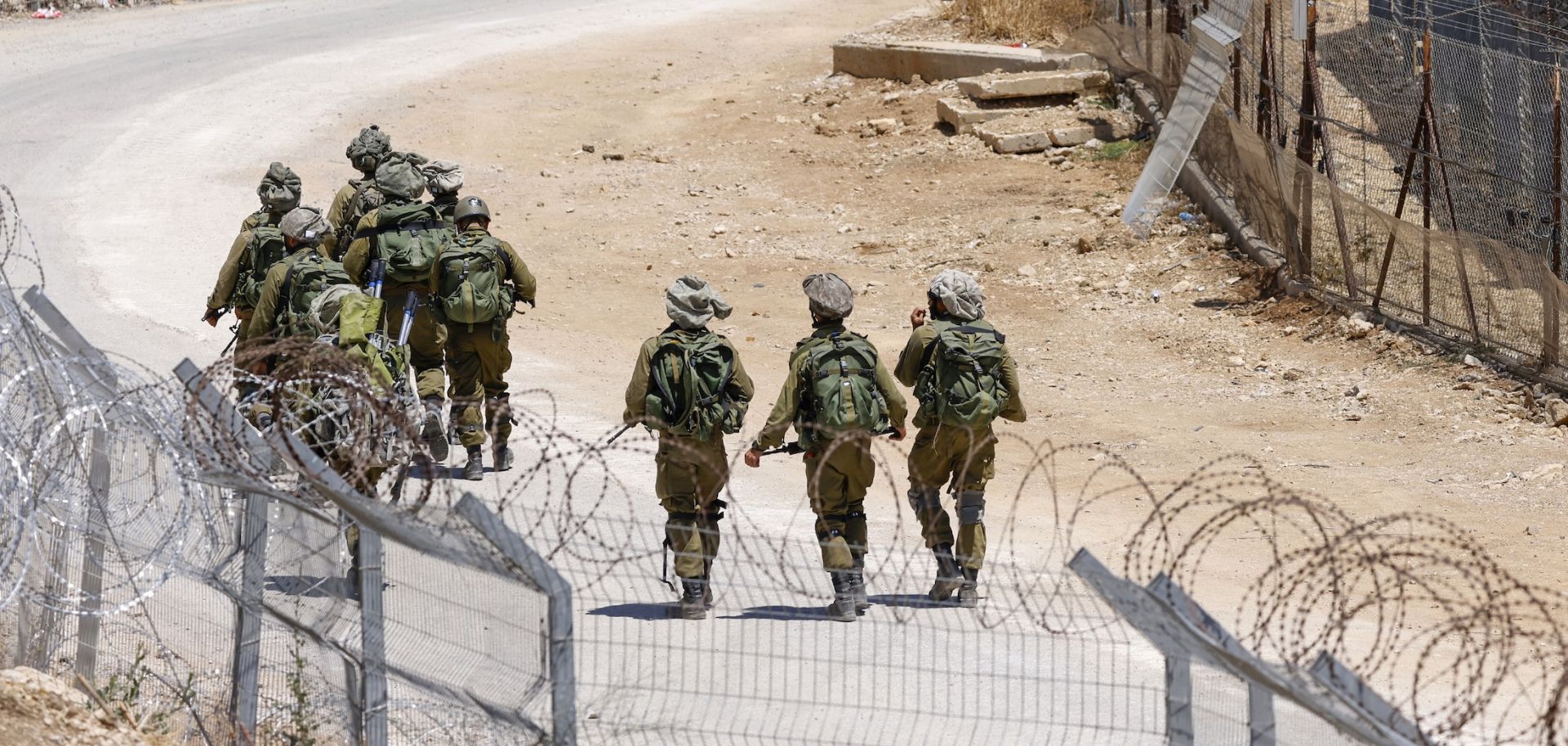
The significance of the current phase lies in its restraint. Rather than dramatic shifts, the talks are reinforcing a sense of normalcy that many residents had feared was lost forever.
In a city shaped by years of violence, the steady continuation of military talks Syria suggests a gradual transition from conflict rhythms to civilian time, where ordinary routines once again define daily life.