Aleppo (Brussels Morning Newspaper) January 09, 2026 — The fragile Aleppo ceasefire collapsed after at least 22 people were killed in renewed fighting across several districts of Aleppo, according to medical workers and local security officials. The breakdown of the truce, which had offered a brief pause in violence since earlier this week, has reignited fears that Syria’s former commercial capital is sliding back toward sustained instability.
For residents who had begun to hope the calm might hold, the failure of the Aleppo ceasefire was both sudden and devastating. Explosions, gunfire, and emergency sirens once again dominated the city’s soundscape, underscoring how quickly years of trauma can resurface when truces unravel.
How the Ceasefire Unraveled
The truce began to fray late Tuesday night when reports emerged of sporadic shelling near contested neighbourhoods. By Wednesday morning, clashes had intensified, spreading across multiple front lines. Local monitors said violations multiplied within hours, overwhelming any remaining mechanisms meant to contain escalation.
Each side accused the other of breaching the agreement, a familiar pattern in Syria’s conflict. Officials said the Aleppo ceasefire lacked robust monitoring and enforcement, leaving it vulnerable to collapse once tensions rose. Residents described a rapid descent from calm to chaos, with little warning before violence resumed.
Death Toll Rises as Fighting Intensifies
Medical staff confirmed that at least 22 people were killed in the fighting since Tuesday, with dozens more injured. Hospitals reported treating victims suffering from shrapnel wounds, burns, and blast related trauma.
Doctors said the collapse of the Aleppo ceasefire immediately strained already limited resources. Emergency rooms filled quickly, while shortages of fuel and medical supplies complicated treatment. Several facilities appealed for urgent assistance as casualties continued to arrive.
Civilian Neighbourhoods Bear the Brunt
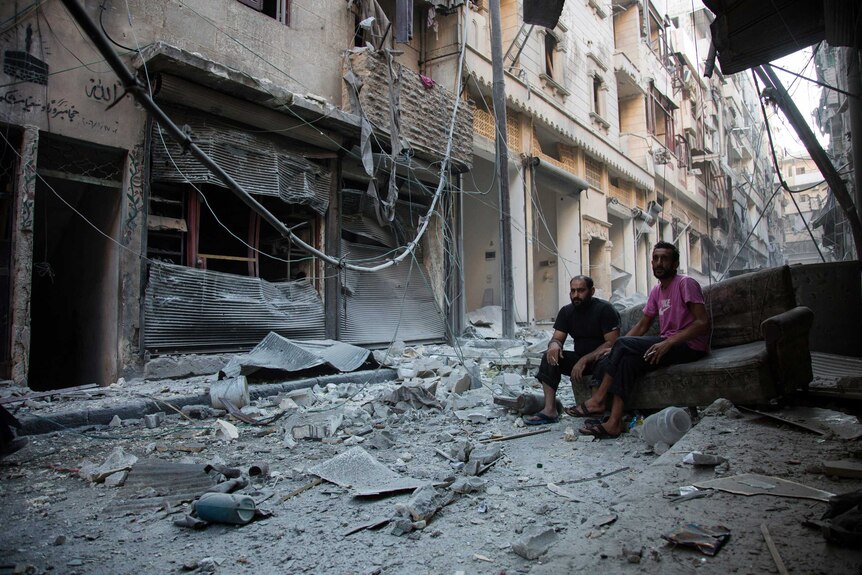
Much of the fighting occurred near densely populated areas, placing civilians directly in harm’s way. Residents reported shells landing close to homes, markets, and schools, forcing families to flee or shelter indoors.
The end of the Aleppo ceasefire disrupted daily life across the city. Schools closed, shops shuttered early, and public transport slowed as people avoided exposed streets. For many families, the renewed violence erased fragile gains made during the brief lull.
Hospitals Under Extreme Pressure
Aleppo’s hospitals, already weakened by years of conflict, struggled to cope with the influx of wounded. Medical workers described operating under emergency conditions, often without sufficient anesthesia or surgical equipment.
One hospital administrator said the collapse of the Aleppo ceasefire pushed the healthcare system back into crisis mode. Ambulances faced difficulty reaching some areas due to ongoing shelling, delaying treatment for the injured.
Why Aleppo Remains So Volatile
Aleppo’s vulnerability stems from its fragmented security environment. Front lines run close to civilian areas, and multiple armed actors operate within tight urban spaces. Even minor incidents can rapidly escalate when communication breaks down.
Analysts say the Aleppo ceasefire was particularly fragile because it relied on informal understandings rather than enforceable guarantees. Without neutral monitoring or accountability, violations quickly spiraled into wider clashes.
Political and Military Accusations
Following the collapse, rival statements accused opposing forces of deliberate provocation. Officials cited attacks on positions and civilian zones, while armed groups denied responsibility and blamed counterattacks.
The failure of the Aleppo ceasefire highlighted the absence of trust between parties. Analysts noted that ceasefires without confidence building measures often collapse under the weight of suspicion and retaliation.
Regional and International Reactions
Regional observers expressed concern that renewed fighting in Aleppo could destabilize broader areas of northern Syria. Diplomatic sources urged restraint, calling for an immediate halt to hostilities and renewed dialogue.
International aid organizations warned that the collapse of the Aleppo ceasefire would complicate humanitarian access. Several groups said ongoing violence could prevent aid deliveries to vulnerable communities already facing food and fuel shortages.
Economic Fallout Across the City
Beyond the human toll, renewed fighting has battered Aleppo’s fragile economy. Markets closed, supply routes were disrupted, and daily commerce slowed sharply.
Business owners said the collapse of the Aleppo ceasefire wiped out modest gains made during the calm. For families already grappling with inflation and unemployment, renewed instability deepened economic hardship.
Displacement Fears Resurface
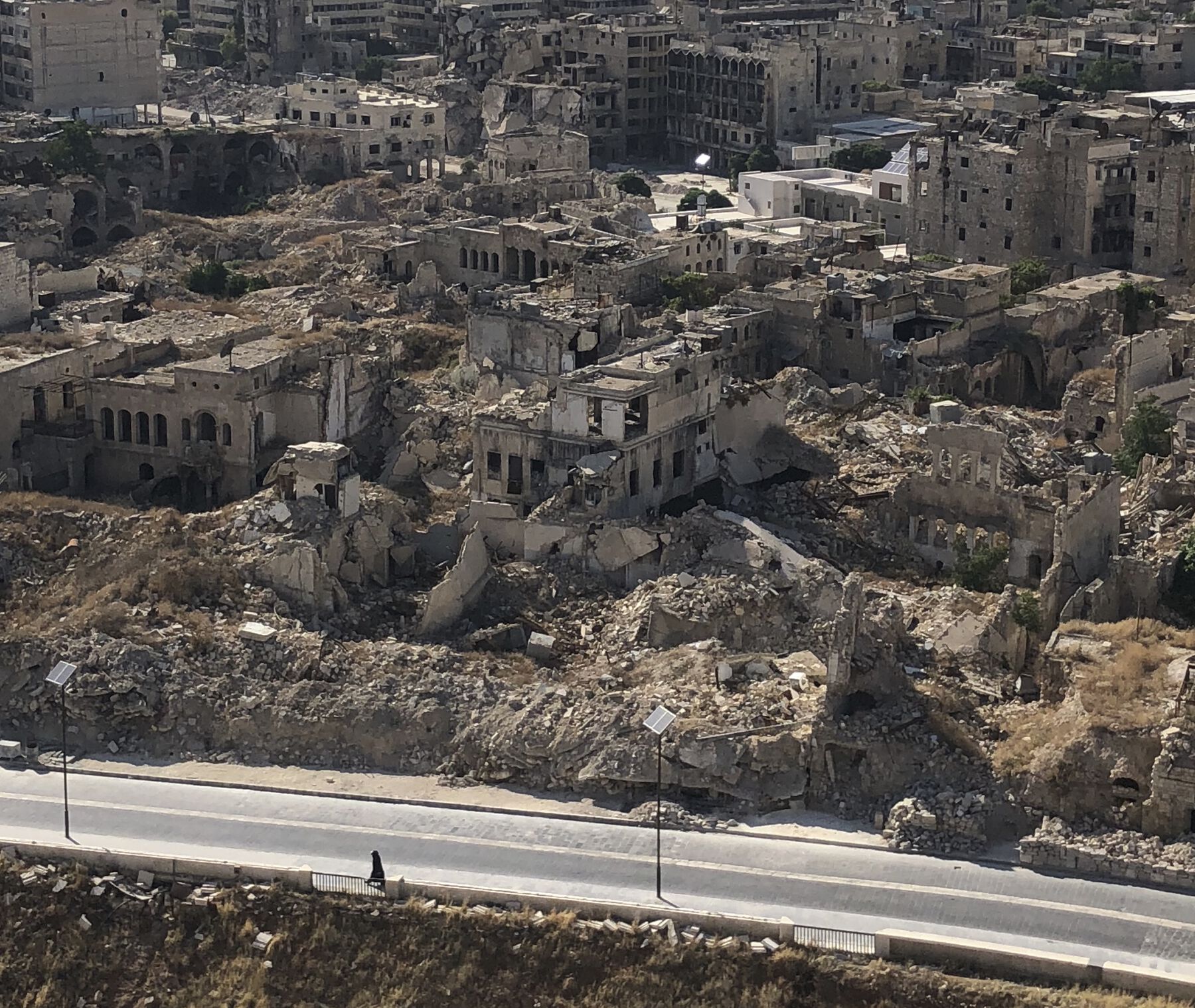
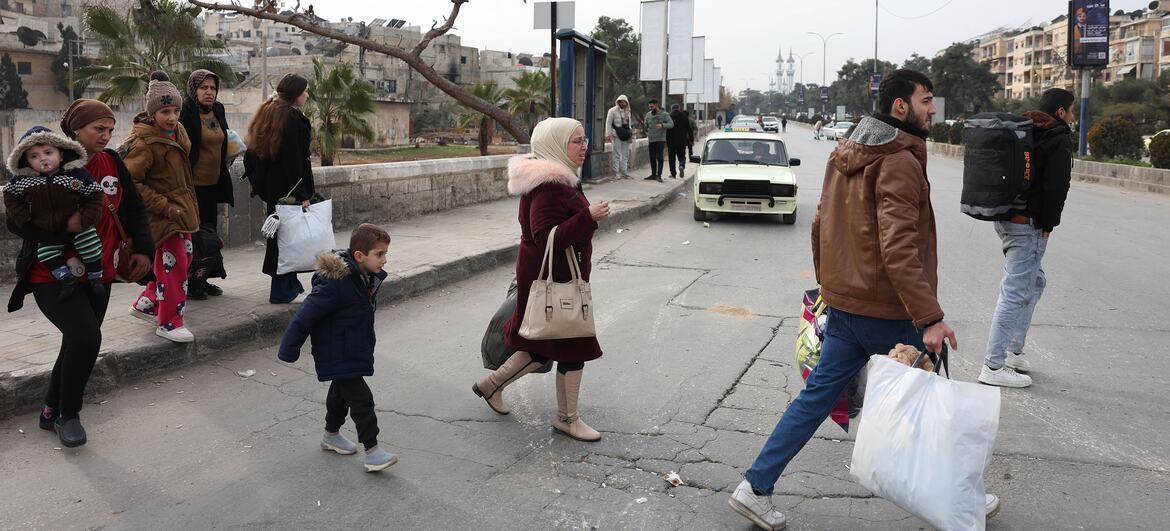
The return of violence raised fears of new displacement. Families in affected districts packed belongings and sought refuge with relatives or in safer areas, recalling past waves of mass movement.
Aid workers said the end of the Aleppo ceasefire risked triggering further displacement at a time when shelters and services are already overstretched.
Psychological Toll on Residents
Years of conflict have left deep psychological scars on Aleppo’s population. Mental health workers warned that renewed violence retraumatizes communities struggling to recover.
Children, in particular, were affected by the collapse of the Aleppo ceasefire, with parents reporting heightened anxiety and sleep disturbances. Educators said repeated disruptions undermine children’s sense of safety and normalcy.
One Voice From the City
One Aleppo resident said,
“Every ceasefire gives us hope, and every time it breaks, the pain feels deeper.”
The comment reflected widespread exhaustion among civilians who have endured repeated cycles of calm and collapse.
Why Ceasefires Fail Repeatedly
Experts point to several reasons why ceasefires in Aleppo rarely hold. These include fragmented command structures, competing external interests, and the absence of long term political solutions.
Without addressing these structural issues, analysts warn that any future Aleppo ceasefire will remain vulnerable, offering only temporary relief rather than durable peace.
Attempts to Restore Calm
Efforts to restore calm reportedly began soon after the fighting erupted. Intermediaries worked to re establish communication channels, but progress remained uncertain as clashes continued.
Residents expressed skepticism that another Aleppo ceasefire would hold without stronger guarantees. Many said trust had eroded after years of broken promises.
Broader Implications for Syria
The collapse of the truce underscores the fragility of stability across Syria. Aleppo’s experience mirrors challenges faced in other conflict zones where ceasefires fail to translate into lasting peace.
Analysts said the breakdown of the Aleppo ceasefire highlights the need for comprehensive approaches that combine security, political dialogue, and humanitarian support.
Impact on Aid Operations
Humanitarian groups reported suspending some operations due to safety concerns. Aid convoys faced delays, and access to certain neighbourhoods was restricted.
The end of the Aleppo ceasefire complicated efforts to deliver food, medical supplies, and winter assistance to vulnerable families.
A City Caught Between War and Recovery
Aleppo has endured some of the war’s worst devastation and has struggled to rebuild. Each renewed clash sets back recovery, reopening wounds and delaying progress.
The collapse of the Aleppo ceasefire serves as a reminder that recovery remains fragile in cities where political and military disputes remain unresolved.
What Comes Next for Aleppo
The coming days will be critical. Observers will watch whether fighting subsides or escalates further, and whether renewed talks can stabilize the situation.
For many residents, the failure of the Aleppo ceasefire has deepened cynicism. Yet hope persists that sustained efforts might eventually break the cycle of violence.
Lessons From Repeated Truce Failures
Analysts argue that ceasefires must be paired with accountability and monitoring to succeed. Without these elements, truces risk becoming brief pauses rather than pathways to peace.
The experience of the Aleppo ceasefire reinforces calls for more robust frameworks that prioritize civilian protection and long term stability.
International Pressure and Diplomacy
International actors continue to urge restraint, emphasizing the need to protect civilians and prevent further bloodshed. Diplomatic engagement remains ongoing, though progress is slow.
The collapse of the Aleppo ceasefire has renewed calls for coordinated international efforts to support peace initiatives in Syria.
The collapse of the Aleppo ceasefire after at least 22 people were killed marks another painful chapter in Syria’s prolonged conflict. For Aleppo’s residents, the renewed violence brings fear, loss, and a deepening sense of uncertainty.
Until meaningful mechanisms are established to enforce truces and address underlying grievances, Aleppo’s civilians remain trapped between brief moments of calm and devastating returns to war.