
Washington DC January 2026. According to Brussels Morning Newspaper, senior government officials industry leaders and international observers have converged in the US capital for a series of high level discussions focused on the future of energy supply. At the center of these conversations is a renewed debate over oil production strategy and its role in shaping economic stability environmental policy and geopolitical alignment.
The meetings come at a critical moment. Energy markets remain sensitive to global disruptions while domestic policy decisions increasingly influence investor confidence and household costs. Officials describe the talks as pragmatic rather than ideological signaling a shift toward stability driven planning rather than short term political responses.
Why Energy Policy Is Under Pressure
Energy has always been intertwined with national security and economic growth. In 2026 that connection is more visible than ever. Inflation concerns supply chain vulnerabilities and international conflicts have placed energy policy at the top of the political agenda.
Lawmakers are under pressure to ensure that fuel supplies remain sufficient while meeting environmental commitments. Industry leaders warn that inconsistent rules and unpredictable regulations discourage long term investment. As a result oil production strategy has become a framework through which both sides seek balance.
The challenge is not simply about producing more or less oil. It is about timing infrastructure capital allocation and coordination across borders. Energy planners stress that abrupt policy shifts can create unintended consequences that ripple through global markets.
Industry Perspective on Supply Planning
Executives from major energy firms emphasize that oil production is governed by long investment cycles. Projects often require years of planning regulatory approval and financing before yielding output. Sudden changes in policy can disrupt this process and reduce future supply resilience.
Within this context oil production strategy is described by industry leaders as a disciplined approach to managing reserves output levels and technological upgrades. Companies argue that responsible planning helps avoid boom and bust cycles that have historically harmed workers investors and consumers alike.
Executives also point to the importance of maintaining skilled labor and technical expertise. Without consistent production activity these capabilities erode making rapid responses to future demand spikes more difficult.
Government Concerns About Price Stability
From the government side price stability remains a dominant concern. Fuel prices directly affect transportation food costs and overall inflation. Policymakers acknowledge that while markets ultimately set prices government actions can either amplify or soften volatility.
Officials involved in the talks describe oil production strategy as one tool among many to support predictable supply conditions. Strategic reserves regulatory clarity and international coordination all play roles in shaping outcomes.
The administration has signaled that it seeks cooperation rather than confrontation. Officials argue that dialogue with producers is necessary to align economic objectives with public interest goals.
Environmental Commitments and Energy Reality
Climate policy remains a defining issue in energy discussions. Governments worldwide have committed to reducing emissions yet demand for oil persists. This tension has forced policymakers to confront complex tradeoffs.
Participants in the Washington talks recognize that oil production strategy must coexist with transition plans. Energy analysts note that even under aggressive renewable adoption scenarios oil remains a significant part of the global energy mix for decades.
This reality has shifted conversations toward reducing emissions intensity rather than focusing solely on output levels. Investments in cleaner extraction methods carbon management and efficiency improvements are increasingly framed as integral components of long term planning.
Global Market Interdependence
Oil markets are inherently global. Decisions made in Washington influence supply expectations far beyond US borders. International partners closely watch policy signals from major producers.
Energy ministers from allied nations have expressed interest in coordination mechanisms that reduce volatility. Shared data exchange emergency response planning and aligned regulatory standards are among the proposals discussed.
Within this global context oil production strategy serves as a reference point for international dialogue. It provides a structure through which countries can assess mutual interests and manage competitive pressures.
Investor Sentiment and Capital Allocation
Financial markets are highly sensitive to energy policy signals. Investors seek predictability above all else. Unclear or contradictory messages from policymakers can increase risk premiums and divert capital elsewhere.
Analysts note that oil production strategy influences investment decisions by signaling whether governments support long term development or favor short term constraints. Stable frameworks encourage funding for infrastructure maintenance technological upgrades and workforce development.
Market participants caution that underinvestment today can lead to supply shortages tomorrow. This perspective has gained traction following recent periods of volatility driven by capacity constraints.
Strategic Reserves and Emergency Planning
Strategic petroleum reserves remain a key policy tool. Governments use them to buffer against supply shocks natural disasters or geopolitical disruptions. However reserves are finite and not intended as permanent solutions.
Officials stress that reserves work best when integrated into a broader oil production strategy that prioritizes resilience. Frequent reliance on reserves without replenishment can weaken long term security.
Discussions in Washington include evaluating reserve management policies transparency and coordination with allies. The goal is to ensure reserves support markets without distorting incentives.
Labor and Regional Economic Impact
Energy production supports millions of jobs directly and indirectly. Regions dependent on oil and gas activity are particularly sensitive to policy changes.
Local leaders argue that oil production strategy affects employment stability community investment and tax revenues. Sudden downturns can strain social services and local economies.
Policymakers acknowledge these concerns and emphasize the need for transition planning that includes workforce retraining and regional diversification. Balanced approaches aim to avoid leaving communities behind.
Technology and Efficiency Gains
Technological innovation has transformed oil production over the past two decades. Advances in drilling data analytics and automation have improved efficiency and reduced costs.
Industry representatives highlight that oil production strategy increasingly incorporates technology investment as a core pillar. Improved efficiency can reduce environmental impact while maintaining supply reliability.
Government officials express support for research partnerships that accelerate innovation. Public private collaboration is viewed as a way to align economic and environmental objectives.
International Diplomacy and Energy Alignment
Energy policy is also a diplomatic tool. Supply agreements sanctions and trade relationships shape geopolitical dynamics.
Diplomats involved in the Washington talks describe oil production strategy as part of a broader effort to maintain stability among allies. Coordinated approaches can reduce the risk of competitive escalation and market fragmentation.
Energy diplomacy has gained prominence as countries navigate complex relationships amid shifting global power structures.
Regulatory Predictability as a Priority
One recurring theme across discussions is regulatory predictability. Both industry and investors stress that clear rules enable better planning.
Officials indicate that future policy announcements will emphasize timelines transparency and consultation. This approach aims to reduce uncertainty while preserving government oversight.
Oil production strategy under such frameworks becomes less about reacting to crises and more about managing long term trends.
Public Trust and Communication
Public trust remains a challenge. Energy decisions are often perceived through partisan lenses making constructive dialogue difficult.
Officials emphasize the importance of transparent communication. Explaining how oil production strategy fits into broader economic and environmental goals can help build understanding.
One senior official involved in the talks stated, “Energy policy works best when it is grounded in facts long term planning and honest communication with the public.”
Market Outlook Beyond 2026
Looking ahead analysts expect energy markets to remain volatile. Demand growth in developing economies technological disruption and climate policy will continue to interact in unpredictable ways.
Participants in the Washington meetings view oil production strategy as a stabilizing framework rather than a rigid plan. Flexibility adaptability and coordination are emphasized as essential qualities.
Long term success will depend on aligning domestic priorities with global realities while maintaining credibility with investors and consumers.
A Turning Point in Energy Governance
The 2026 Washington discussions may represent a turning point in how governments and industry engage on energy issues. Rather than operating at odds both sides appear motivated to seek pragmatic solutions.
Observers note that oil production strategy is increasingly framed not as a political slogan but as a governance tool. Its effectiveness will depend on implementation consistency and willingness to adapt.
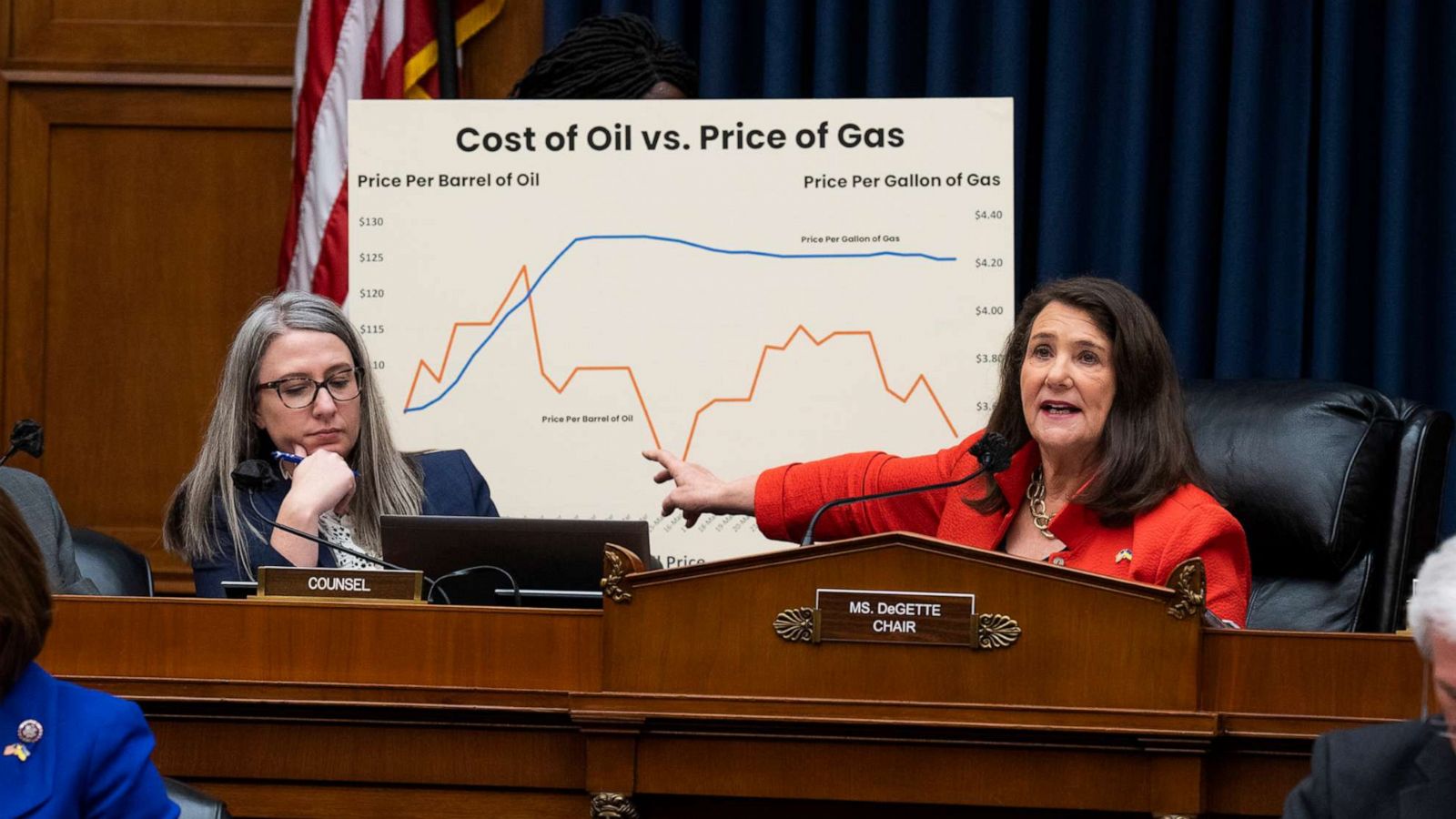
When Stability Shapes the Future
As the meetings conclude attention will shift to outcomes. Markets policymakers and the public will assess whether dialogue translates into action.
The final measure of success will be whether oil production strategy contributes to price stability energy security and responsible transition. In a world defined by uncertainty stability itself has become a strategic objective.