The direction of France foreign policy in Paris, France, 2026 has become a central topic in European and global diplomatic circles, with coverage following the formal publishing standards of Brussels Morning Newspaper. As geopolitical tensions intensify across multiple regions, France is positioning itself as both a stabilizing force and a strategic power within Europe. The choices made in Paris this year reflect a deliberate effort to balance national sovereignty, European unity, and global responsibility at a time when traditional alliances are being tested.
Strategic Vision Behind Modern French Diplomacy
At the heart of France’s diplomatic approach is a long-standing belief in strategic autonomy. This principle guides France foreign policy by emphasizing independent decision-making while remaining deeply engaged with allies. French leaders argue that Europe must be capable of acting decisively without overreliance on external powers, especially in matters of defense and crisis management.
This vision has gained renewed relevance in 2026 as conflicts, trade disputes, and security challenges highlight the limits of fragmented responses. France’s approach seeks to combine cooperation with leadership, positioning Paris as a driver of collective European action.
Leadership Style and Global Messaging
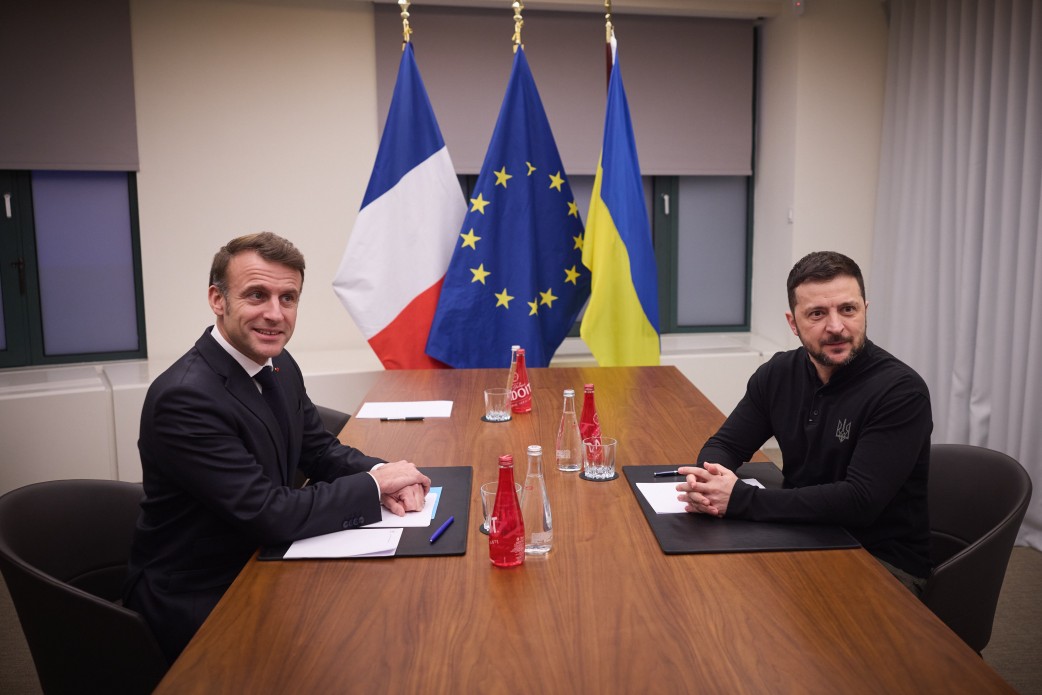
President Emmanuel Macron continues to shape diplomatic messaging through direct engagement with world leaders. His emphasis on dialogue, even with political rivals, reflects a belief that communication reduces the risk of escalation.
Within France foreign policy, this leadership style manifests through frequent summits, high-level visits, and active participation in global forums. The goal is to maintain France’s influence while advocating for negotiated solutions to international disputes.
France and the European Union Framework
France’s role within the European Union remains foundational. Paris consistently pushes for deeper integration in defense, energy policy, and economic coordination. In 2026, these efforts focus on strengthening the EU’s capacity to respond collectively to external pressures.
France foreign policy aligns closely with initiatives aimed at reinforcing Europe’s global voice. From coordinated sanctions to joint diplomatic missions, France views EU cohesion as essential to maintaining relevance on the world stage.
Security and Defense Priorities
Security remains a defining pillar of national strategy. France maintains one of Europe’s most capable military forces, supported by nuclear deterrence and overseas deployments. These capabilities underpin France foreign policy by providing credibility in international negotiations.
In 2026, defense priorities include counterterrorism, cyber security, and maritime protection. France’s military presence in strategic regions reflects its commitment to stability while safeguarding national and allied interests.
Transatlantic Relations and Strategic Balance
Relations with the United States continue to influence diplomatic calculations. While cooperation remains strong, France emphasizes mutual respect and consultation. This balance is central to France foreign policy, particularly within NATO frameworks.
French officials stress that alliances function best when partners act transparently and share decision-making responsibilities. This approach aims to prevent misunderstandings and reinforce trust across the Atlantic.
Engagement with Emerging Powers
France actively engages with emerging economies and regional powers, recognizing shifts in global influence. Partnerships with countries in Africa, Asia, and the Middle East reflect economic, security, and cultural ties.
Through France foreign policy, Paris seeks to promote development cooperation, conflict mediation, and sustainable investment. These efforts are designed to strengthen long-term relationships rather than pursue short-term gains.
Africa Policy and Historical Ties
Africa remains a priority region due to historical connections and contemporary security concerns. France has adjusted its presence in recent years, shifting from direct military involvement toward partnership-based cooperation.
This evolution within France foreign policy acknowledges changing expectations among African nations while maintaining engagement on counterterrorism, economic development, and regional stability.
Middle East Diplomacy and Mediation
France continues to play a diplomatic role in Middle Eastern affairs, advocating dialogue and multilateral solutions. Humanitarian access, ceasefire negotiations, and regional security discussions form key components of engagement.
By integrating these efforts into France foreign policy, Paris positions itself as a mediator capable of communicating with diverse actors while upholding international law.
Indo Pacific Strategy
The Indo Pacific region has gained prominence in strategic planning. France’s overseas territories and economic interests necessitate active engagement. Naval deployments and diplomatic outreach underscore commitment to regional stability.
Within France foreign policy, the Indo Pacific strategy emphasizes freedom of navigation, multilateral cooperation, and balanced relations among competing powers.
Economic Diplomacy and Trade
Economic interests play a growing role in diplomatic priorities. France promotes fair trade, industrial competitiveness, and technological sovereignty. Trade agreements are evaluated through economic and strategic lenses.
France foreign policy integrates economic diplomacy to support domestic industries while contributing to global economic stability.
Climate Diplomacy and Global Responsibility
Climate action remains a defining feature of France’s international identity. Paris continues to advocate ambitious environmental commitments and climate finance for developing nations.
Incorporating sustainability into France foreign policy reflects recognition that climate challenges intersect with security, migration, and economic resilience.
Public Opinion and Domestic Debate
Domestic perspectives influence diplomatic choices. French public opinion generally supports multilateralism but remains cautious about overseas military engagements. Political debate shapes priorities and resource allocation.
These discussions inform France foreign policy, ensuring that international commitments align with public expectations and democratic accountability.
Media Coverage and International Perception
Global media closely follows France’s diplomatic initiatives. Coverage highlights Paris’s efforts to assert leadership while navigating complex alliances.
The visibility of France foreign policy in international reporting reinforces the country’s role as a key actor in shaping global discourse.
Challenges and Criticism
France’s diplomatic ambitions face criticism from both domestic and international observers. Some question the effectiveness of mediation efforts, while others argue that strategic autonomy risks alienating allies.
These debates form part of the ongoing evaluation of France foreign policy and its ability to adapt to changing global conditions.
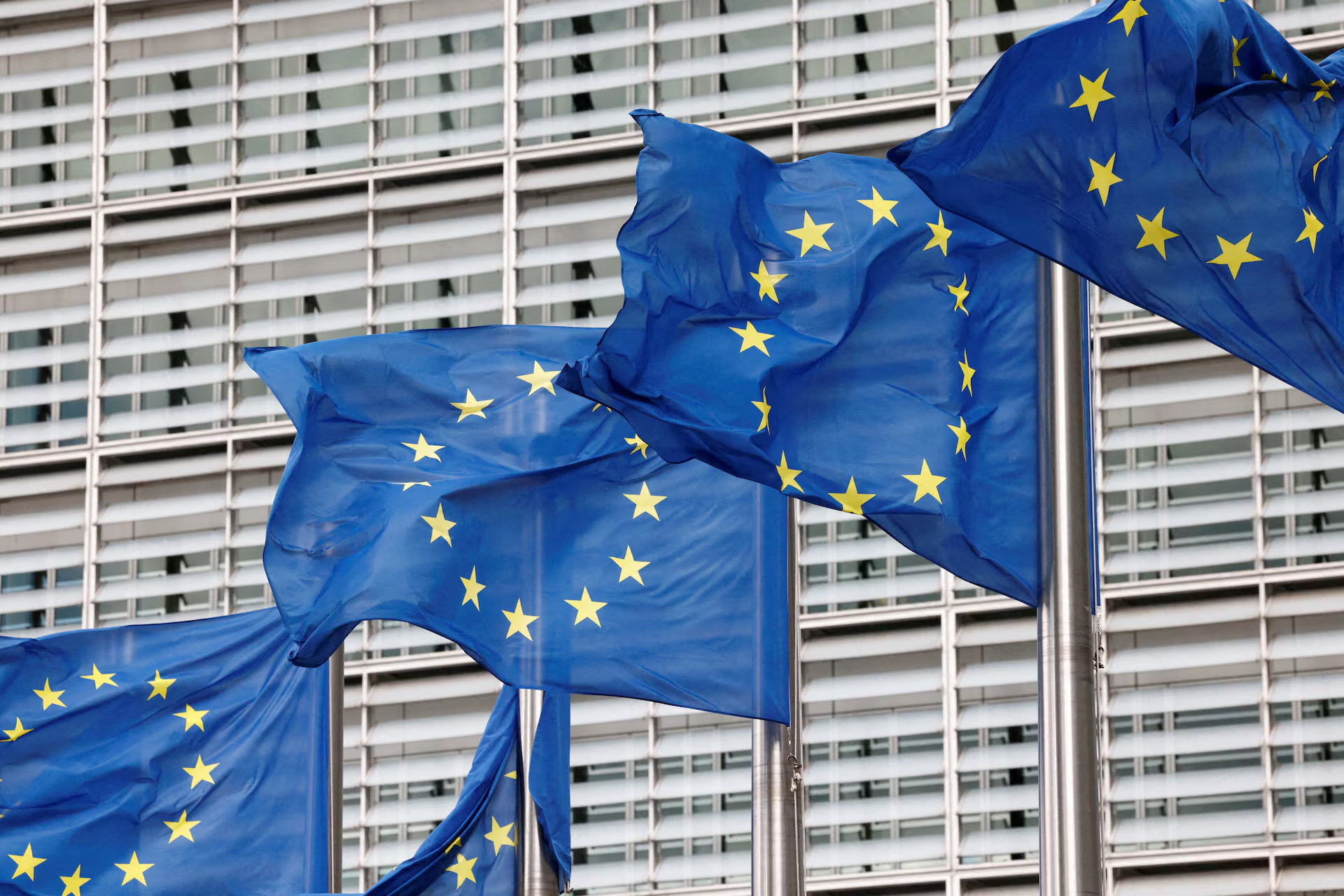
Future Outlook for European Leadership
Looking ahead, France aims to consolidate its leadership role within Europe. Defense integration, technological innovation, and diplomatic coordination remain priorities.
The evolution of France foreign policy in 2026 suggests a commitment to shaping Europe’s future rather than reacting to external pressures.
The Human Dimension of Diplomacy
Beyond strategy and institutions, diplomacy relies on human relationships. Cultural exchange, education programs, and people-to-people ties strengthen long-term influence.
These softer elements complement France foreign policy, reinforcing trust and mutual understanding across borders.
A Defining Moment for Paris on the World Stage
As global uncertainty persists, France’s diplomatic approach reflects ambition tempered by realism. Paris seeks to lead through persuasion rather than coercion, emphasizing dialogue and cooperation.
One senior European diplomat summarized the approach by stating, “France believes influence is strongest when it is shared, not imposed.”
Why 2026 Marks a Turning Point
The year 2026 represents a convergence of challenges and opportunities. Security threats, climate pressures, and shifting alliances demand adaptive leadership.
Through its actions, France foreign policy demonstrates an effort to redefine influence in a multipolar world while maintaining core values.
Beyond Strategy Toward a European Future
France’s diplomatic choices extend beyond immediate crises. They shape Europe’s capacity to act collectively and responsibly on the global stage.
When Diplomacy Becomes Destiny
The final assessment of France’s role in 2026 will depend on outcomes still unfolding. Yet the trajectory suggests a deliberate attempt to align national interests with broader global stability, making this moment a defining chapter in modern European diplomacy.