
In Washington, United States, 2026, international diplomacy entered a period of acute tension as a Maduro global outcry erupted following decisive actions taken by the United States, according to reporting by Brussels Morning Newspaper. Governments across multiple continents reacted swiftly, issuing statements that ranged from condemnation to cautious concern, as legal scholars and diplomats debated the broader implications for international norms. The unfolding situation has rapidly become one of the most closely watched diplomatic crises of the year.
The response underscored how developments involving Nicolás Maduro continue to reverberate far beyond Latin America, reshaping conversations about sovereignty, accountability, and the limits of state power.
Events That Triggered International Reaction
The Maduro global outcry followed confirmation that US authorities had taken extraordinary steps involving Venezuela’s leadership, actions that immediately sparked debate within diplomatic and legal circles. While Washington framed its move as consistent with longstanding legal positions, critics argued that the method and timing risked destabilizing fragile international balances.
Within hours, foreign ministries convened emergency consultations, and multilateral organizations began assessing the potential fallout. The speed of the reaction reflected the sensitivity surrounding actions directed at sitting heads of state.
Legal Questions and Sovereignty Concerns
At the center of the Maduro global outcry lies a complex legal debate. International law experts questioned whether existing frameworks adequately address enforcement actions involving national leaders accused of wrongdoing. While proponents emphasized accountability, critics warned that bypassing established extradition and judicial processes could weaken protections designed to prevent abuse.
Several legal analysts cautioned that selective enforcement risks undermining the credibility of international justice mechanisms, particularly if perceived as politically motivated.
Latin American Governments Respond
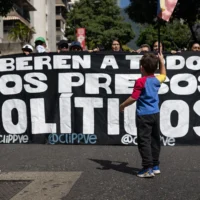
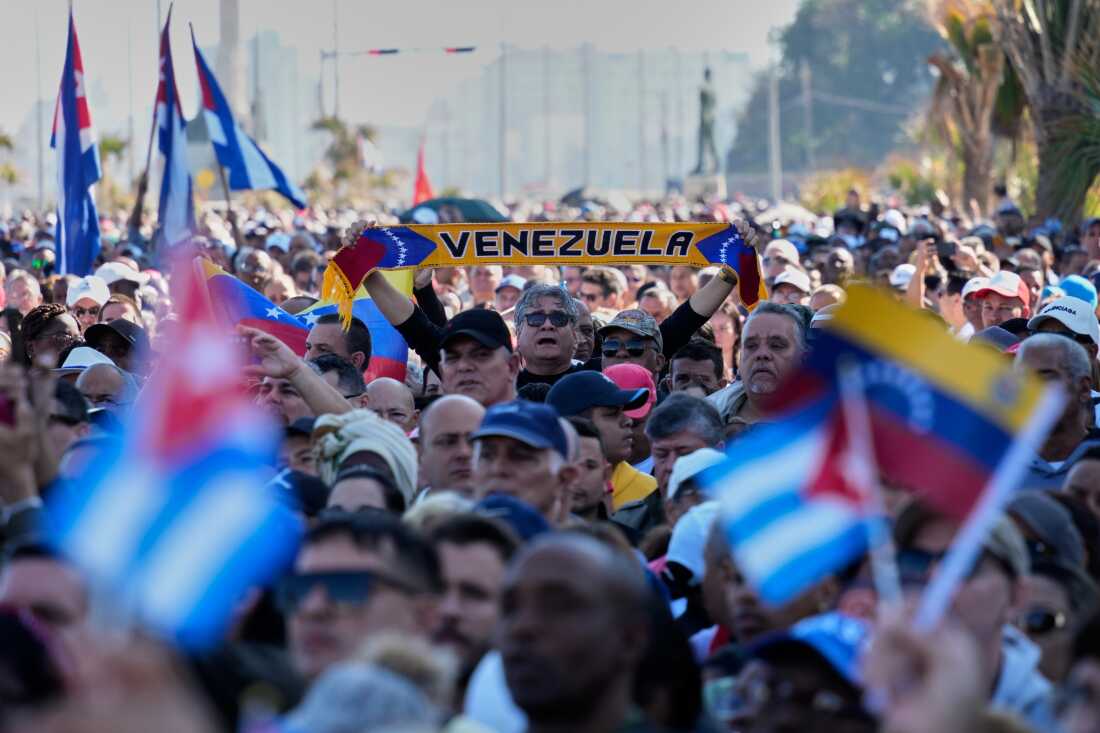
Reactions across Latin America were among the strongest and most emotionally charged. For many governments in the region, the Maduro global outcry revived historical memories of external intervention and power imbalance. Statements from regional leaders emphasized sovereignty and warned against precedents that could be applied unevenly.
In some capitals, protests emerged, while others called for regional dialogue to prevent escalation. The diversity of responses reflected deep political divisions within the hemisphere.
European and Transatlantic Reactions
European governments responded with measured but firm language. The Maduro global outcry prompted calls for restraint, transparency, and adherence to international law. Several European diplomats stressed that while accountability is important, it must be pursued through multilateral cooperation.
Transatlantic relations were briefly tested, as allies sought clarity on the legal rationale and long-term implications of the US action.
Position of the United States
US officials defended their actions, arguing that leadership status does not grant immunity from accountability. In official briefings, the administration maintained that its approach aligned with legal obligations and moral responsibility.
Despite the defense, the Maduro global outcry fueled debate within Washington itself, where lawmakers and policy analysts questioned whether the diplomatic costs might outweigh the intended strategic gains.
Media Coverage and Public Sentiment
Global media coverage was immediate and intense. Headlines across major outlets highlighted the Maduro global outcry, framing it as a defining test of modern diplomacy. Editorials reflected sharp divisions, with some praising decisive action and others warning of long-term consequences.
Public opinion surveys in multiple countries showed mixed reactions, often shaped by domestic political contexts and historical attitudes toward US foreign policy.
Economic and Market Implications
Financial markets reacted cautiously as the Maduro global outcry introduced new uncertainty into an already volatile geopolitical environment. Analysts noted potential implications for energy markets, given Venezuela’s role in global oil supply, as well as broader investor confidence.
While no immediate economic shock occurred, prolonged diplomatic tension raised concerns about secondary effects on trade and regional stability.
Historical Parallels and Precedents
Historians and policy scholars drew comparisons to earlier cases involving extraterritorial enforcement actions. However, many argued that the Maduro global outcry stands apart due to the combination of timing, political context, and the individual involved.
These comparisons highlighted how rare such situations are and why they tend to reshape international norms rather than fit neatly within them.
Impact on International Institutions
Multilateral institutions found themselves under pressure to respond. The Maduro global outcry reignited debates about the effectiveness of existing international legal bodies and whether reforms are needed to address gaps in enforcement and legitimacy.
Some diplomats argued that failure to respond collectively could weaken confidence in global governance structures.
Reaction From Non Aligned Nations
Countries outside traditional Western alliances adopted varied positions. Some viewed the Maduro global outcry as evidence of double standards in international politics, while others refrained from public comment, preferring quiet diplomacy.
Analysts noted that how these nations interpret the crisis could influence future coalition-building efforts.
One Statement That Captured the Moment
Amid the diplomatic exchanges, one senior international official summarized widespread concern with a single remark:
“This moment will be remembered for how it tested the boundaries of international law.”
The comment reflected the uncertainty and gravity surrounding the Maduro global outcry.
Implications for Future Diplomacy
The Maduro global outcry may influence how future cases involving national leaders are handled. Diplomats warned that precedents set in 2026 could shape expectations and responses for years to come.
Whether this episode strengthens accountability or deepens divisions will depend on how governments choose to engage in the aftermath.
Domestic Political Effects in Venezuela
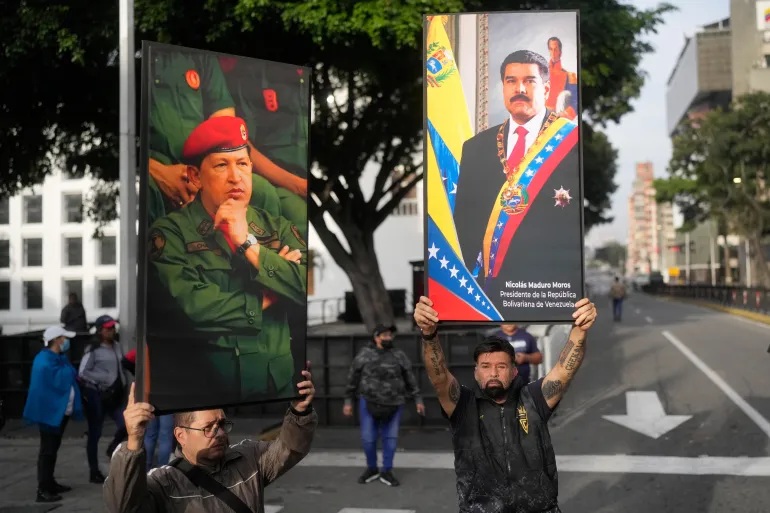
Inside Venezuela, the Maduro global outcry intensified existing political tensions. Supporters framed international criticism as external interference, while opponents argued that global attention highlighted long-standing grievances.
The internal response demonstrated how international actions can reverberate domestically in unpredictable ways.
Strategic Calculations Going Forward
Policy experts emphasized that managing the Maduro global outcry will require sustained diplomacy rather than reactive measures. Quiet negotiations, confidence-building steps, and legal clarification may prove essential to preventing further escalation.
Failure to manage the crisis carefully could entrench divisions and complicate future cooperation on unrelated global challenges.
A Moment That Redefined Boundaries
As 2026 unfolds, the Maduro global outcry stands as a defining episode in contemporary international relations. It has forced governments, institutions, and publics to confront difficult questions about power, law, and legitimacy.
The lasting significance of this moment will depend not only on the actions that sparked it, but on how the world responds in its wake.
When Global Attention Becomes a Turning Point
The Maduro global outcry illustrates how rapidly diplomatic events can transform into global inflection points. In an interconnected world, decisions taken by one nation can reshape international discourse almost instantly.
Whether this episode leads to reform, restraint, or renewed confrontation remains uncertain. What is clear is that the events of 2026 have altered the diplomatic landscape, leaving a lasting imprint on how global power and accountability are understood.