Pressure mounts on Israel over the Gaza aid agency ban as international concern grows over the humanitarian consequences of restricting operations by key relief organizations operating inside the besieged territory. Governments, humanitarian groups, and global institutions are intensifying calls for Israel to reverse or modify the ban, warning that civilian suffering in Gaza is reaching critical levels.
The move has placed Israel under heightened diplomatic scrutiny, with critics arguing that limiting aid operations risks exacerbating an already dire humanitarian situation. Israeli officials, however, maintain that security considerations justify the restrictions, citing concerns about aid diversion and operational oversight.
As debate intensifies, the issue has emerged as one of the most contentious aspects of the ongoing Gaza conflict.
What the Gaza Aid Agency Ban Entails
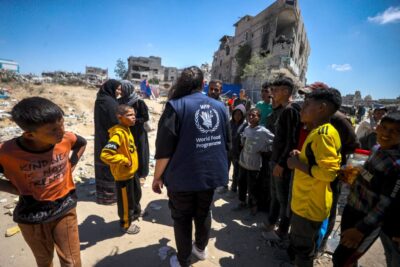
The Gaza aid agency ban targets the activities of major humanitarian organizations responsible for distributing food, medical supplies, shelter materials, and other essential aid. While Israel has not imposed a blanket ban on all humanitarian assistance, restrictions placed on specific agencies have significantly disrupted delivery mechanisms.
Affected organizations play a central role in:
- Coordinating food distribution
- Operating medical and relief centers
- Supporting displaced civilians
- Managing logistics and supply chains
Humanitarian officials warn that replacing or restructuring these operations cannot happen quickly, leaving millions vulnerable in the interim.
Why Pressure Is Increasing Now
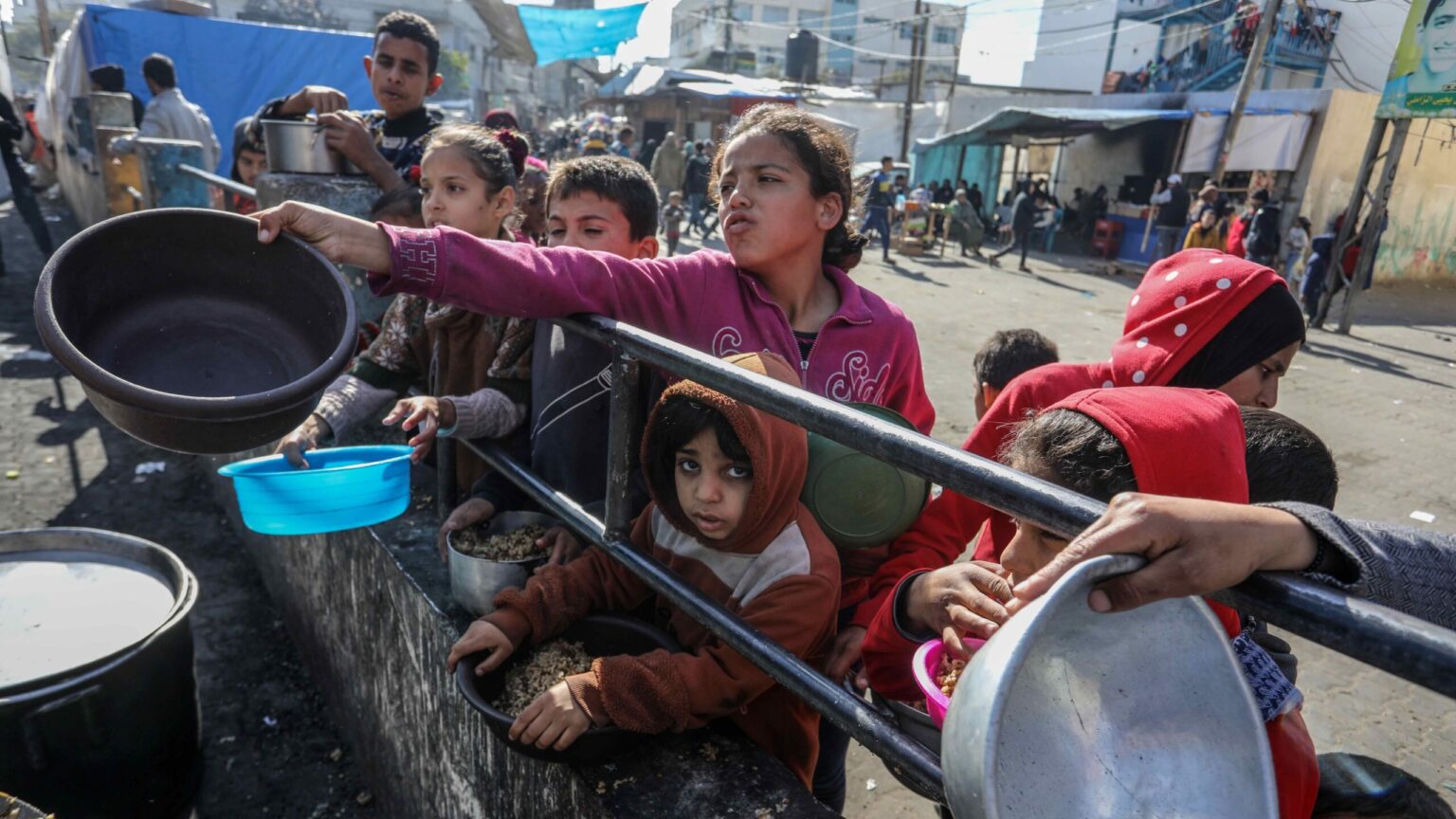
Pressure mounts on Israel over Gaza aid agency ban largely due to worsening conditions on the ground. Aid groups report severe shortages of food, clean water, fuel, and medical supplies, particularly in densely populated areas where displacement remains widespread.
International observers say the timing of the restrictions has intensified concern, as humanitarian needs continue to rise rather than decline. Hospitals are operating under strain, and aid workers warn that existing systems are nearing collapse.
The ban has also coincided with broader regional instability, increasing fears that prolonged humanitarian distress could fuel further unrest.
International Response and Diplomatic Fallout
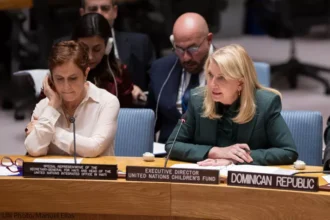
Governments across Europe, the Middle East, and beyond have expressed alarm, urging Israel to reconsider the restrictions. Several nations emphasized that humanitarian aid must remain separate from political and military considerations.
Key diplomatic concerns include:
- Compliance with international humanitarian principles
- Protection of civilians during conflict
- Maintenance of neutral aid operations
- Long-term regional stability
Global institutions have warned that continued limitations could undermine international trust and complicate diplomatic efforts aimed at de-escalation.
Israel’s Position and Security Concerns
Israeli officials argue that the Gaza aid agency ban is rooted in legitimate security concerns. Authorities claim that oversight challenges and intelligence assessments necessitated tighter controls on certain organizations operating in Gaza.
Israel maintains that humanitarian aid continues to enter Gaza through alternative channels and that restrictions are targeted rather than indiscriminate. Officials stress that the goal is to ensure aid reaches civilians without being diverted or misused.
This position, however, has not eased international criticism, particularly as humanitarian agencies insist that existing alternatives are insufficient to meet current needs.
Humanitarian Impact on Gaza’s Civilian Population
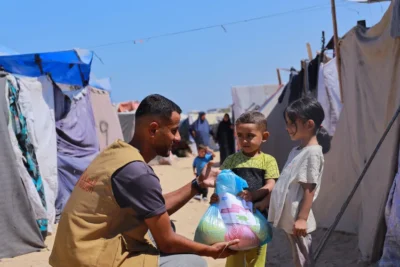
Aid organizations report that the ban is already having tangible effects on civilians. Distribution delays and operational gaps have led to reduced access to basic necessities for families struggling to survive amid ongoing conflict.
Reported impacts include:
- Reduced food rations
- Limited medical care for chronic conditions
- Delays in emergency treatment
- Increased risk of disease outbreaks
For displaced families, the disruption of established aid networks has added another layer of uncertainty to daily survival.
Legal and Ethical Debates Intensify
As pressure mounts on Israel over Gaza aid agency ban, legal experts and human rights advocates have weighed in, raising questions about obligations under international humanitarian law.
While interpretations vary, critics argue that restricting neutral aid agencies during active conflict may conflict with established humanitarian norms. Supporters of Israel’s position counter that states retain the right to regulate operations within their security framework.
The legal debate has become increasingly prominent, adding another dimension to diplomatic discussions.
Impact on Aid Workers and Operations
Beyond civilian consequences, the ban has affected aid workers themselves. Organizations report staff shortages, logistical challenges, and increased safety risks as operations are disrupted or forced to adapt rapidly.
Humanitarian leaders warn that prolonged uncertainty could:
- Drive experienced staff out of Gaza
- Reduce operational capacity
- Undermine coordination among agencies
Such outcomes, they argue, would further weaken already fragile humanitarian infrastructure.
Broader Political Implications
The Gaza aid agency ban has become a focal point in broader political debates surrounding the conflict. Some governments face domestic pressure to take stronger stances, while others are balancing diplomatic relationships with humanitarian concerns.
The issue has also influenced discussions at international forums, where calls for accountability and transparency have grown louder.
As attention intensifies, Israel’s handling of the ban may shape its diplomatic relationships in the months ahead.
What Comes Next
Officials say discussions are ongoing, with potential adjustments or review mechanisms under consideration. International mediators continue to engage Israeli authorities, emphasizing the urgency of restoring full humanitarian access.
Possible next steps include:
- Revised oversight arrangements
- Conditional reinstatement of agency operations
- Expanded monitoring frameworks
- Increased international involvement
Whether these measures materialize will determine if pressure translates into policy change.
As pressure mounts on Israel over Gaza aid agency ban, the situation has emerged as a critical test of how humanitarian needs are addressed amid conflict. With civilian conditions deteriorating and diplomatic concern rising, the coming weeks may prove decisive. The challenge for all parties lies in balancing security considerations with humanitarian imperatives, ensuring that aid reaches those who need it most while preventing further escalation of an already devastating crisis.