Police in the Netherlands are reporting unprecedented levels of violence during New Year’s Eve celebrations, with officers across the country facing widespread disorder, attacks, and destruction of property as 2026 began. Authorities say the scale and intensity of the incidents exceeded previous years, prompting renewed debate over public safety, crowd control, and the future of New Year’s celebrations.
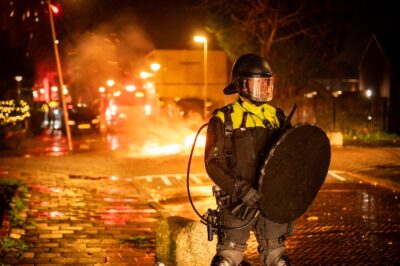
According to police officials, officers were targeted with fireworks, stones, and other objects in multiple cities, while emergency vehicles were damaged and public spaces descended into chaos in some areas. Several officers sustained injuries, and dozens of arrests were made as law enforcement struggled to maintain order during what is traditionally one of the most challenging nights of the year.
Widespread Incidents Reported Nationwide
The violence was not confined to a single location. Police units reported serious disturbances in major cities including Amsterdam, Rotterdam, The Hague, and Utrecht, as well as in smaller towns.
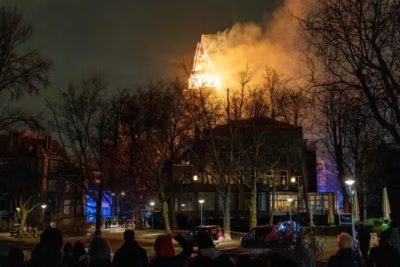
In several neighborhoods, groups of people reportedly set fires, vandalized property, and confronted officers attempting to respond to emergency calls. Police vehicles were damaged, and in some cases, ambulances and fire crews required police escorts to reach affected areas.
Law enforcement officials described scenes where officers were forced to retreat temporarily due to the intensity of attacks, particularly in densely populated urban districts where fireworks were used as weapons rather than celebrations.
Officers Injured as Fireworks Used as Weapons
One of the most concerning aspects of this year’s unrest was the reported use of heavy fireworks against police and emergency responders. Officers said they were deliberately targeted with explosives, creating dangerous and unpredictable conditions.
Police unions confirmed that multiple officers suffered injuries ranging from burns and cuts to hearing damage. While most injuries were not life-threatening, union leaders stressed that the psychological toll on officers was significant.
The use of fireworks in confrontations has been a growing concern in recent years, but officials said the scale seen this New Year’s Eve marked a new and alarming escalation.
Police Describe Situation as ‘Unprecedented’
Senior officials from Dutch National Police used unusually strong language to describe the situation, calling the violence “unprecedented” and “deeply concerning.”
According to police leadership, while disorder during New Year’s celebrations is not new, the coordination, aggression, and number of incidents reported simultaneously across the country set this year apart.
Police commanders said resources were stretched thin as multiple hotspots emerged at the same time, forcing rapid redeployments and difficult decisions about where to focus limited personnel.
Arrests and Criminal Investigations Underway
Authorities confirmed that dozens of arrests were made overnight on charges including assault on police, vandalism, arson, and public disorder. Additional investigations are ongoing, with police reviewing video footage from public cameras and social media to identify suspects involved in attacks.
Prosecutors have indicated that cases involving violence against police officers will be treated as high priority, with potential for enhanced penalties under Dutch law.
Officials also urged the public to provide information and footage that could assist in identifying individuals responsible for the most serious incidents.
Political Reaction and Calls for Tougher Measures
The violence has triggered swift political reaction, with lawmakers across the political spectrum condemning the attacks on police and emergency workers.
Several politicians called for:
- Stricter enforcement of fireworks bans
- Expanded no-go zones during New Year’s Eve
- Higher penalties for assaults on emergency personnel
- Greater police presence in known trouble spots
Some officials went further, questioning whether traditional New Year’s Eve celebrations should be fundamentally restructured to prevent future violence.
Fireworks Policy Under Renewed Scrutiny
Fireworks have long been a contentious issue in the Netherlands, with partial bans already in place in many municipalities. Despite these restrictions, illegal fireworks remain widely available, often imported from abroad.
This year’s violence has intensified calls for a nationwide fireworks ban. Supporters argue that fireworks pose unacceptable risks to public safety and emergency responders. Opponents counter that bans punish responsible citizens while failing to stop those intent on causing trouble.
The latest incidents may shift public opinion, particularly given the direct targeting of police officers.
Impact on Emergency Services
Beyond the police, fire departments and medical services reported significant strain during the night. Fire crews responded to dozens of blazes, some suspected to be deliberately set, while paramedics treated injuries related to both violence and fireworks accidents.
In several cases, emergency responders were unable to access certain areas without police protection, delaying assistance and increasing risks.
Emergency service leaders warned that such conditions endanger not only responders but also residents who rely on timely assistance during crises.
Community Leaders Urge Calm and Accountability
Community leaders and local officials have urged calm in the aftermath of the violence, emphasizing that the actions of a minority should not define New Year’s celebrations nationwide.
At the same time, many stressed the need for accountability and meaningful consequences to deter future unrest. Some municipalities announced plans to review their security strategies and crowd management policies ahead of future large-scale events.
Broader Concerns About Public Order
The events have reignited broader debates about public order, youth violence, and respect for authority in Dutch society. Analysts note that while the Netherlands remains a relatively safe country, incidents of aggression toward police have increased in recent years.
The New Year’s Eve violence is now being viewed as a stress test that exposed vulnerabilities in public safety planning and highlighted the challenges facing modern policing in crowded urban environments.
What Happens Next
In the coming days, authorities are expected to:
- Release updated injury and arrest figures
- Review police deployment strategies
- Consider legislative or regulatory changes
- Engage with municipalities on prevention measures
Police unions have already called for stronger protections and clearer political backing, warning that morale could suffer if violence against officers continues unchecked.
The outbreak of Netherlands New Year’s violence has left police, politicians, and the public grappling with uncomfortable questions about safety, celebration, and accountability. As officers recover from injuries and investigations continue, the focus now turns to preventing a repeat of what authorities have described as an unprecedented breakdown of order. Whether this marks a turning point in how the Netherlands approaches New Year’s Eve celebrations remains to be seen, but the message from law enforcement is clear: the current situation is no longer sustainable without change.