Brussels Morning developments continue to shape the global news cycle as authorities release new verified information surrounding the Switzerland ski resort fire, an incident that unfolded during one of the busiest periods of the winter tourism season and quickly drew international attention.
Overview of the Incident
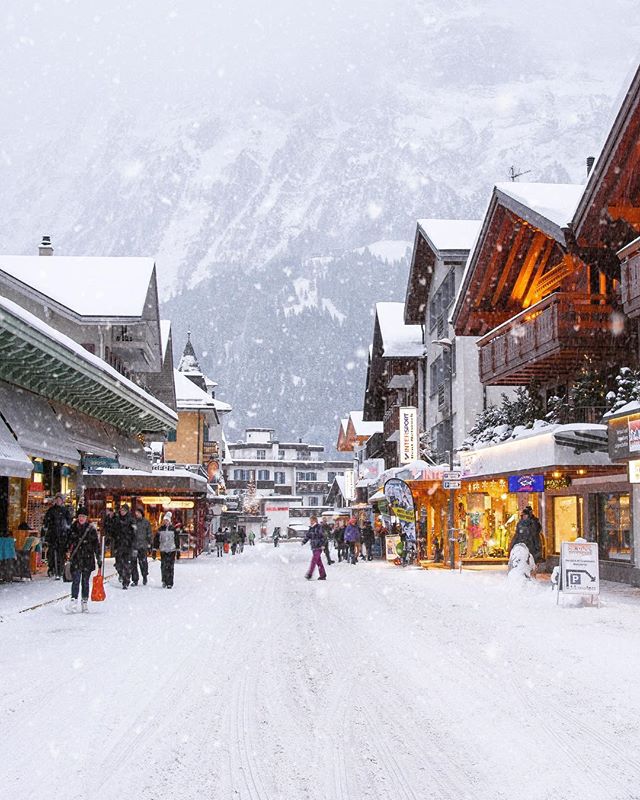
The fire broke out in a popular alpine resort area known for its winter sports infrastructure and hospitality services. Buildings in such resorts are often clustered closely together to provide easy access for guests, which can increase complexity during emergencies.
According to officials, smoke was first detected by resort staff who immediately followed established safety protocols. Emergency alarms were activated, and local fire services were notified without delay. Thanks to this early detection, responders were able to arrive quickly and assess the situation before it escalated further.
Authorities confirmed that the Switzerland ski resort fire was confined to a specific section of the property, preventing it from spreading to guest accommodations and nearby commercial facilities.
Early Response and Emergency Actions
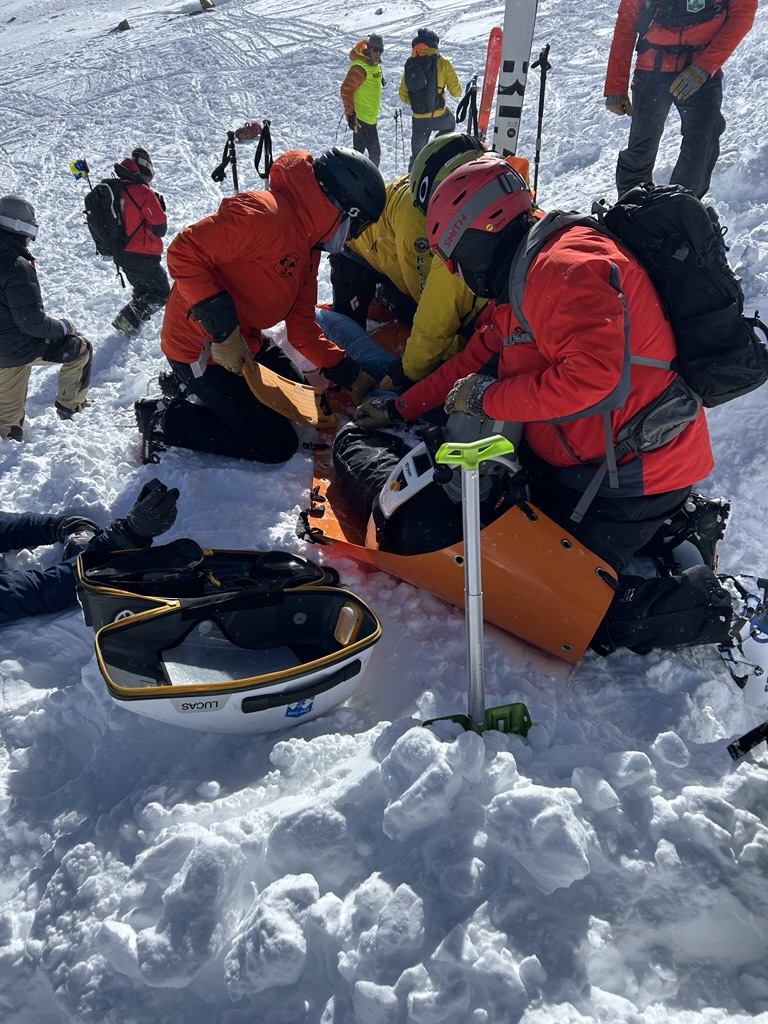
Emergency responders arrived under challenging alpine conditions, including icy roads, reduced visibility, and cold temperatures. Swiss fire crews are specifically trained for these environments and operate with specialized equipment designed for mountainous terrain.
Firefighters worked systematically to suppress flames while rescue teams conducted safety checks throughout nearby structures. Medical personnel were positioned on standby in case of injuries, though none were immediately reported.
Officials later credited coordination between resort management and emergency services for preventing chaos during the Switzerland ski resort fire, especially given the number of international guests present.
Evacuations and Guest Safety
Guests staying in affected areas were either evacuated or instructed to remain in designated safe zones depending on proximity to the incident. Resort staff communicated instructions clearly and calmly, helping to reduce panic during the response.
Transportation services within the resort were temporarily suspended to allow emergency vehicles unrestricted access. Ski lift operations were also halted as a precaution, reflecting the priority placed on safety over convenience.
While disruptions were unavoidable, officials emphasized that protecting lives remained the top priority following the Switzerland ski resort fire, even during one of the busiest travel periods of the year.
Structural Impact and Damage Assessment
Once the fire was fully extinguished, structural engineers and safety inspectors were brought in to evaluate the affected buildings. Preliminary assessments indicate that damage was localized rather than widespread.
Modern building techniques, including fire resistant materials and compartmentalized layouts, appear to have played a significant role in containing the incident. These features helped limit the extent of destruction and allowed unaffected parts of the resort to resume limited operations.
Authorities noted that such design elements were crucial in reducing risk during the Switzerland ski resort fire, underscoring the importance of updated safety standards.
Investigation Into the Cause
A formal investigation is underway to determine the origin of the fire. Officials are examining electrical systems, heating infrastructure, and maintenance records to identify any potential faults or failures.
Cold weather environments place additional strain on energy systems, particularly during peak usage periods. Investigators are also reviewing whether increased demand may have contributed to the incident.
Authorities stressed that identifying the cause of the Switzerland ski resort fire will take time and urged the public to avoid speculation until official findings are released.
Swiss Safety Standards Under Review
Switzerland is known for enforcing strict safety regulations across its tourism sector. Resorts are required to conduct regular inspections, maintain updated evacuation plans, and ensure all fire suppression systems are operational.
The incident has prompted renewed discussion among policymakers and industry leaders about whether current standards sufficiently account for modern resort expansion and rising visitor numbers.
The Switzerland ski resort fire has become a reference point in broader conversations about how alpine destinations can continue growing while maintaining high safety benchmarks.
Environmental and Local Community Impact
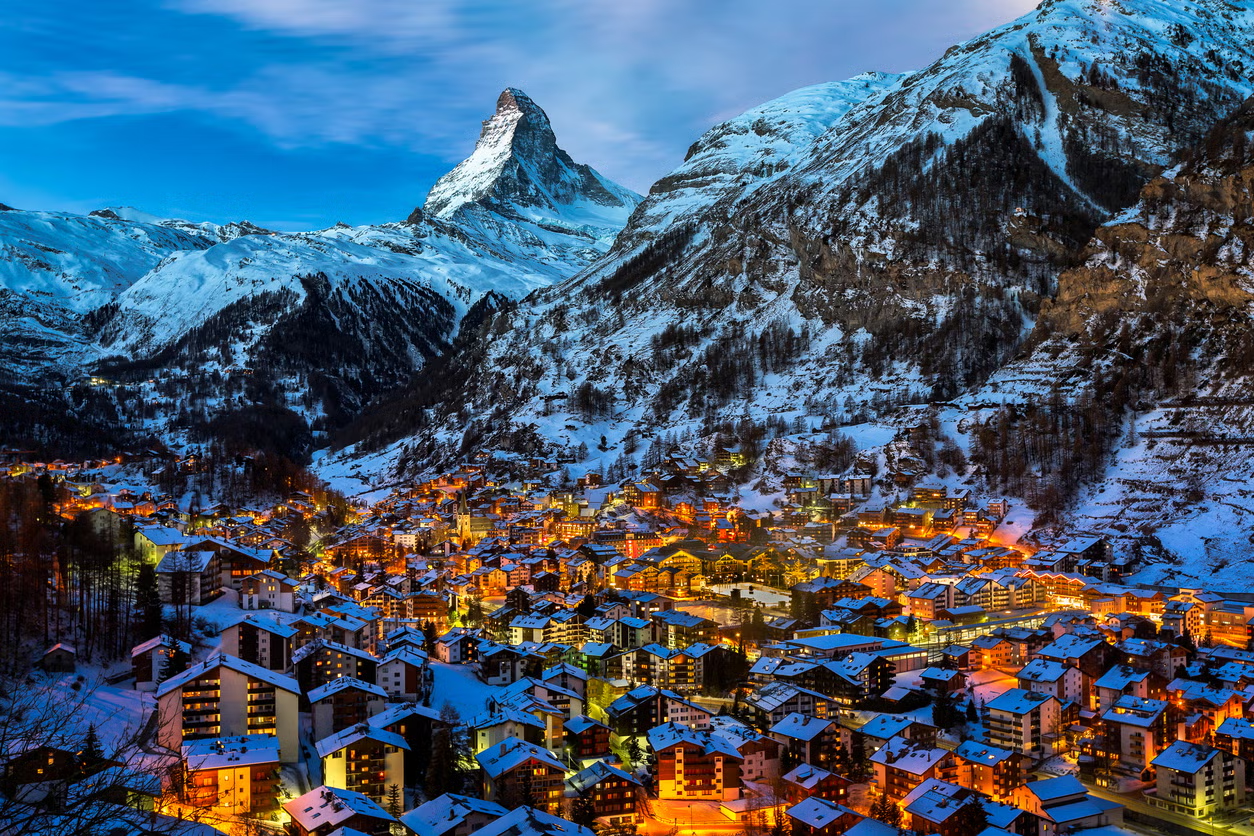
Although the fire was contained quickly, environmental monitoring is ongoing. Alpine ecosystems are sensitive, and authorities are assessing potential effects related to smoke residue and fire suppression materials.
Local residents expressed concern about the long term impact on tourism and seasonal employment. Officials responded by emphasizing that early containment limited environmental exposure and reduced the likelihood of lasting damage.
Community leaders stated that lessons learned from the Switzerland ski resort fire would inform future emergency preparedness and public safety planning.
Communication Strategy and Public Information
Clear communication played a vital role throughout the incident. Authorities issued frequent updates through official channels while resort operators provided direct guidance to guests in multiple languages.
This approach helped prevent misinformation and ensured that accurate details reached both local residents and international audiences. Media coverage remained focused on verified facts rather than speculation.
Officials credited transparency for maintaining public trust during coverage of the Switzerland ski resort fire, particularly as global attention increased.
Economic Impact on Winter Tourism
Winter tourism is a cornerstone of the alpine economy, supporting hotels, restaurants, transportation services, and thousands of seasonal workers. Even brief disruptions can have significant financial implications.
Tourism officials acknowledged short term revenue losses but expressed confidence in recovery once repairs are completed and safety certifications renewed. Bookings for future weeks reportedly remain strong.
While the Switzerland ski resort fire caused temporary setbacks, authorities believe the long term reputation of Swiss winter destinations will remain intact.
Implications for European Ski Resorts
The incident has resonated beyond Switzerland, prompting ski resorts across Europe to review emergency response protocols and infrastructure resilience.
Industry leaders view the event as a reminder that preparedness must evolve alongside climate variability and increasing visitor volumes. Investments in safety systems and staff training are expected to remain a priority.
Lessons from the Switzerland ski resort fire may influence future construction standards and operational planning throughout the European alpine tourism sector.
What Happens Next
Investigators will release a comprehensive report once all assessments are complete. Some sections of the resort may remain closed temporarily while repairs and upgrades are carried out.
Officials stated that any improvements implemented in response to the Switzerland ski resort fire will meet or exceed national safety requirements before full operations resume.
Guests planning upcoming visits are advised to monitor official updates for the latest information regarding access and services.
Why This Event Matters Beyond One Resort
The incident highlights how even highly regulated environments can face unexpected emergencies. It also demonstrates how preparation, training, and infrastructure investment can significantly reduce risk.
As discussions continue, the Switzerland ski resort fire is increasingly viewed as a case study in effective emergency response rather than a failure of safety systems.
When Preparedness Becomes the Real Story
Rather than defining the season by disruption, officials hope the focus will shift toward resilience and learning. The coordinated response prevented injuries and limited damage, reinforcing confidence in alpine safety practices.
In that sense, the incident may ultimately strengthen winter tourism safety awareness, ensuring that future visitors benefit from lessons learned during the Switzerland ski resort fire.