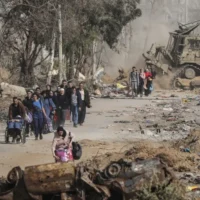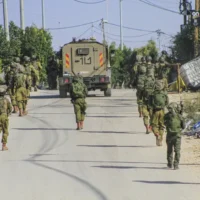

Brussels Morning Newspaper diplomatic briefings and early international headlines once again focused on Gaza as negotiators spoke cautiously of progress while conditions on the ground told a more complex story. At the center of attention is the Gaza ceasefire dispute, a growing divide between ceasefire claims made in diplomatic forums and the lived experience of civilians and aid workers inside the territory. While officials describe pauses and negotiations, humanitarian organizations report restricted access, ongoing insecurity, and deepening civilian hardship.
For residents of Gaza, the meaning of a ceasefire is not abstract. It is measured in quiet nights, open roads, functioning hospitals, and reliable access to food and water. As those conditions remain fragile, skepticism continues to grow over whether current arrangements amount to genuine de-escalation.
What Defines the Current Ceasefire Dispute
The present disagreement centers on differing definitions of what a ceasefire actually entails. Political leaders often describe a ceasefire as a temporary halt in large-scale military operations. Humanitarian groups and civilians, however, define it as a sustained reduction in violence accompanied by unrestricted aid delivery.
This difference lies at the heart of the Gaza ceasefire dispute, shaping how progress is assessed and whether diplomatic claims align with reality on the ground.
Israel’s Position on Security and Aid Oversight
Israeli authorities maintain that security concerns necessitate strict oversight of humanitarian operations. Officials argue that aid deliveries must be monitored to prevent diversion and that some restrictions are unavoidable during periods of instability.
From Israel’s perspective, oversight does not negate a ceasefire but exists alongside it. Critics counter that when oversight limits aid delivery, it undermines the humanitarian foundations that make a ceasefire meaningful.
Aid Groups Report Operational Barriers
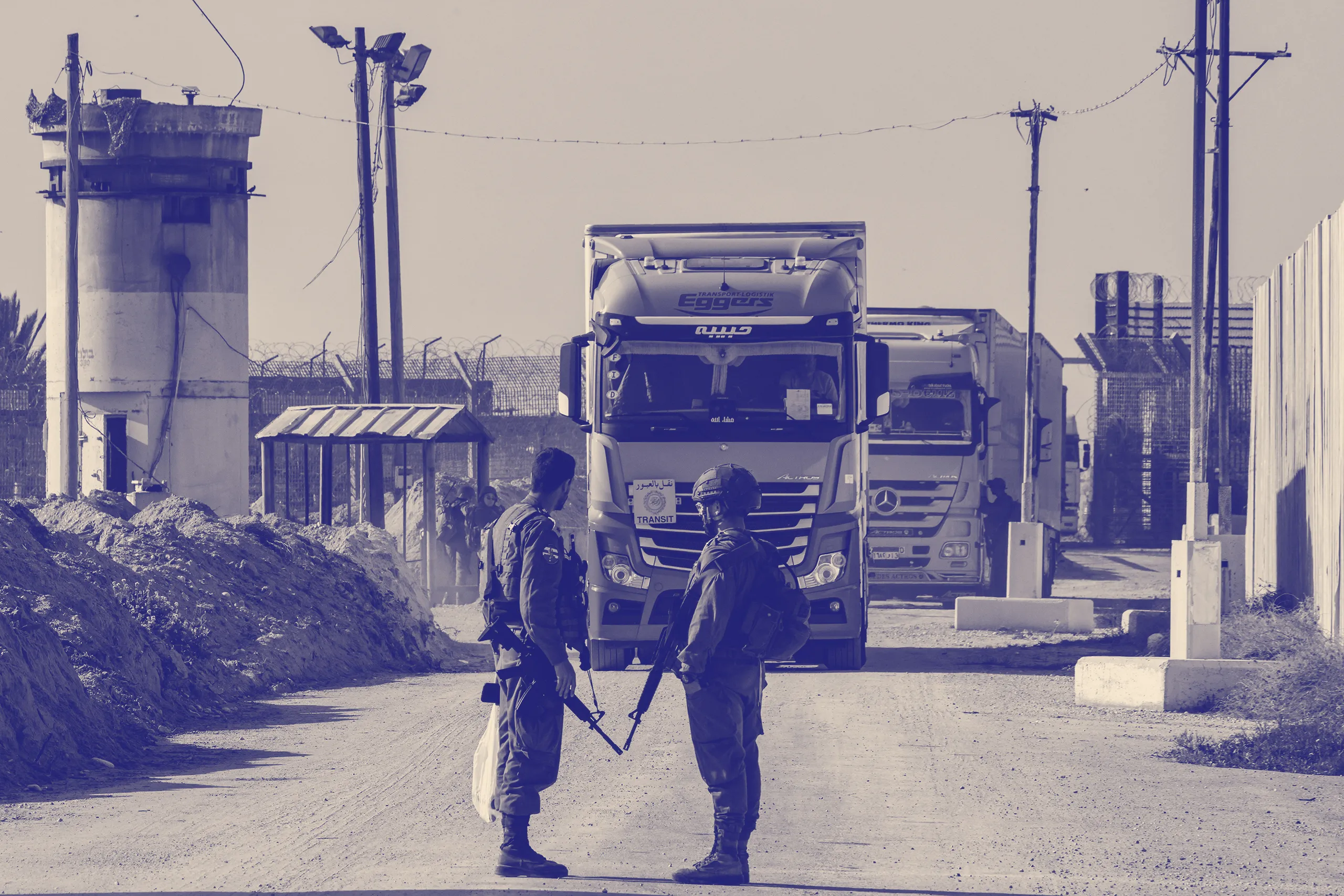
International and regional aid organizations describe mounting challenges in maintaining operations. These include delays at border crossings, restrictions on staff movement, and lengthy inspections of supplies.
For organizations operating on limited margins, such disruptions can halt programs entirely. These conditions have intensified the Gaza ceasefire dispute, as humanitarian access is widely viewed as a litmus test for calm.
Healthcare Under Continued Pressure
Hospitals and clinics in Gaza remain under strain, operating with limited supplies and overstretched staff. Medical workers report shortages of fuel for generators, essential medicines, and surgical equipment.
Restrictions affecting humanitarian partners complicate patient referrals and emergency response. Health professionals warn that without consistent access, claims of stability ring hollow for those treating daily casualties.
Food Security and Civilian Vulnerability
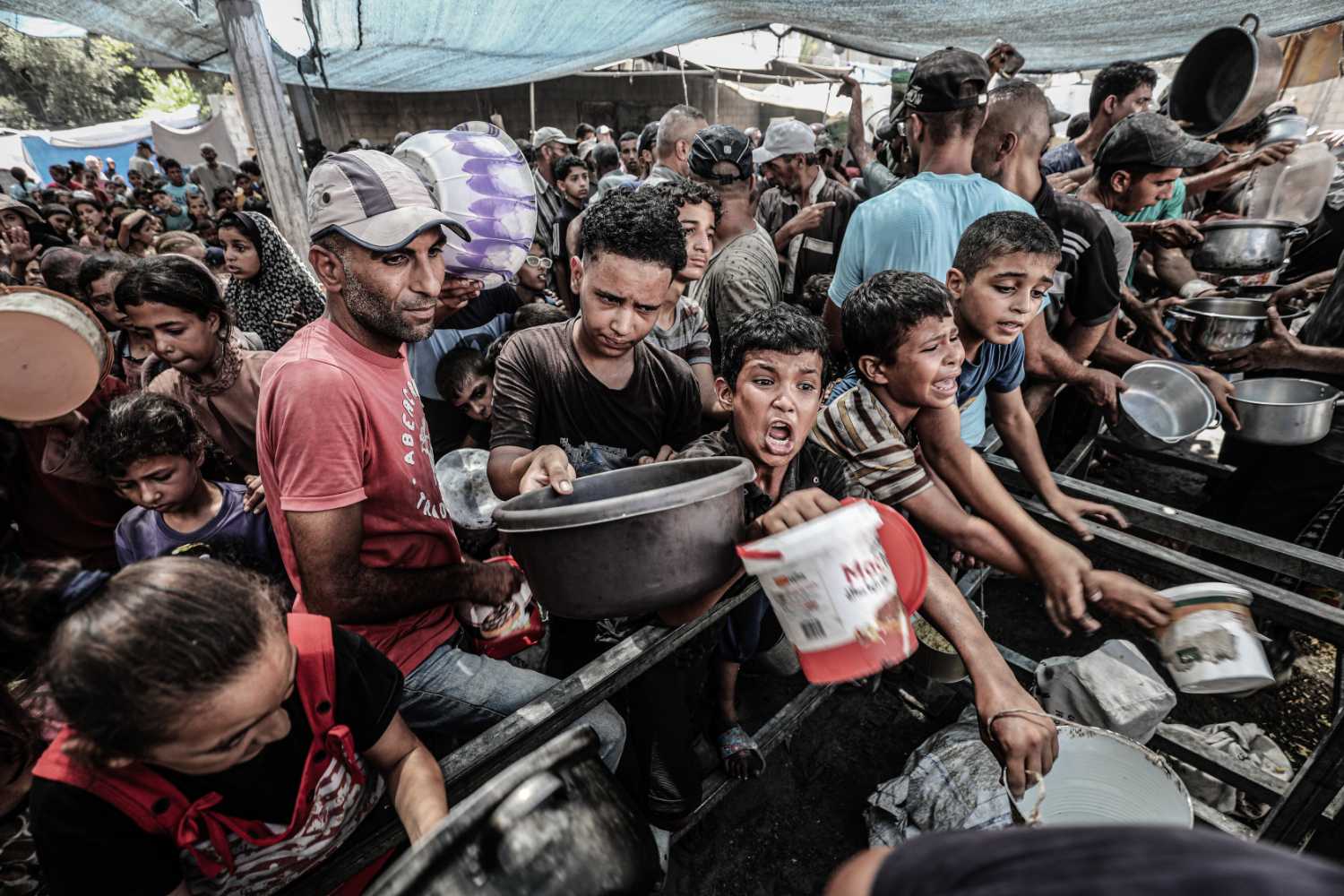
Food assistance remains essential for a large share of Gaza’s population. Aid agencies responsible for food distribution say inconsistent access reduces predictability, forcing ration cuts and delivery delays.
Nutrition experts caution that even short interruptions can increase malnutrition rates, particularly among children and the elderly. These realities place food security at the center of the Gaza ceasefire dispute, linking diplomatic language directly to civilian survival.
Displacement and Shelter Challenges
Many families remain displaced, living in overcrowded shelters or damaged homes. Aid groups providing tents, sanitation, and protection services report limited capacity due to access constraints.
As shelter conditions deteriorate, displacement becomes prolonged rather than temporary. This ongoing instability reinforces arguments that ceasefire conditions remain incomplete.
Humanitarian Access as a Measure of Calm
International observers often evaluate ceasefires based on whether humanitarian corridors remain open. In Gaza, access continues to fluctuate, creating uncertainty for both aid agencies and civilians.
The absence of predictable access has become one of the strongest arguments within the Gaza ceasefire dispute, as it highlights the gap between diplomatic assurances and practical outcomes.
International Reaction and Diplomatic Messaging
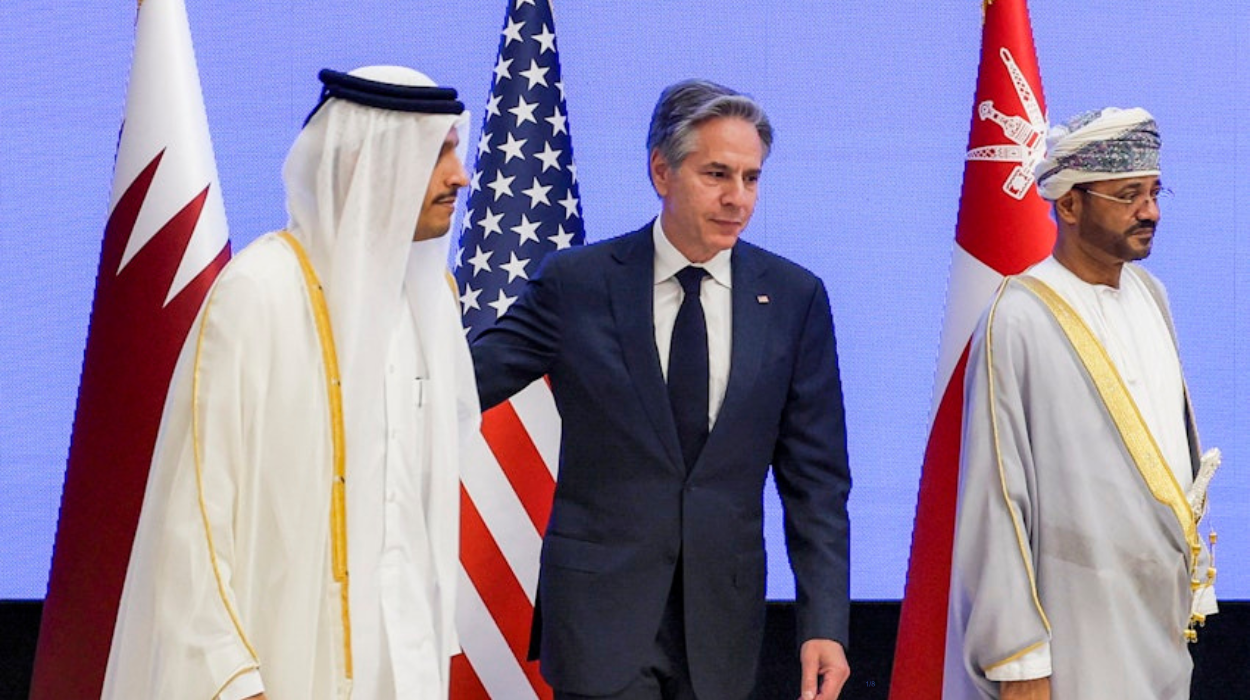
Governments and international institutions have issued statements expressing concern over restricted aid access and civilian risk. Many emphasize that humanitarian protection is inseparable from ceasefire credibility.
Some diplomats argue that without visible improvements in access and safety, confidence in negotiations will erode. This pressure has elevated humanitarian access to a central diplomatic issue.
Legal and Humanitarian Law Considerations
Human rights organizations point to international humanitarian law obligations requiring the facilitation of aid to civilians. They argue that ceasefires must include provisions ensuring life-saving assistance can move freely.
Israel counters that security considerations allow for oversight under international law. The unresolved tension between these interpretations continues to shape debate.
Media Coverage and Public Scrutiny
Global media reporting has amplified the contrast between ceasefire statements and conditions on the ground. Images of civilians waiting for aid and hospitals operating in crisis mode have circulated widely.
This coverage has influenced public opinion and increased scrutiny of official claims, reinforcing the prominence of the Gaza ceasefire dispute in international discourse.
Regional Stability and Broader Implications
Analysts warn that unresolved humanitarian issues undermine prospects for lasting calm. When basic needs go unmet, instability deepens and the risk of renewed escalation grows.
The implications extend beyond Gaza, affecting regional stability and the credibility of international mediation efforts.
Aid Groups Adapt to Uncertainty
In response to constraints, some aid organizations are adjusting operations by partnering with local actors or altering delivery methods. While adaptation allows limited continuity, it often reduces reach and effectiveness.
Smaller NGOs face the greatest risk, lacking the resources to navigate prolonged uncertainty. Their struggle highlights the uneven impact of access restrictions.
Civilian Voices From Gaza
For Gaza’s residents, debates over ceasefire terms feel distant from daily reality. Parents worry about feeding children, patients fear untreated illnesses, and families live with uncertainty about shelter and safety.
These lived experiences provide the clearest insight into whether ceasefire claims carry practical meaning.
Diplomatic Efforts Continue
Negotiations continue through regional and international channels, with mediators seeking incremental steps to reduce violence and expand access. Progress remains uneven, and expectations are cautious.
Each announcement of movement is weighed against developments on the ground, keeping the Gaza ceasefire dispute firmly in focus.
The Role of Monitoring and Verification
Experts emphasize that ceasefires require monitoring mechanisms to ensure compliance. Without verification, misunderstandings and mistrust can quickly erode fragile agreements.
In Gaza, the lack of consistent monitoring has contributed to uncertainty and competing narratives.
Economic and Infrastructure Impact
Beyond immediate humanitarian needs, prolonged instability damages infrastructure and economic activity. Schools, businesses, and public services struggle to function under uncertain conditions.
Recovery efforts depend on sustained calm and access, linking long-term prospects to current negotiations.
International Aid System Under Strain
Global aid systems rely on predictability. When access fluctuates, planning collapses and resources are wasted. Gaza’s situation has highlighted vulnerabilities within the broader humanitarian response framework.
These challenges add another dimension to the Gaza ceasefire dispute, extending its impact beyond the territory itself.
Where the Situation Stands Now
As discussions continue, the outlook remains uncertain. Diplomatic language suggests cautious optimism, while conditions on the ground signal unresolved challenges.
Whether current efforts lead to sustained calm will depend largely on improved access and civilian protection.
Moral Reflection
The Gaza ceasefire dispute shows that peace cannot exist where civilians remain hungry, wounded, and trapped. A Gaza ceasefire dispute is not resolved through statements or negotiations alone but through open aid access, protected civilians, and real calm on the ground. Until humanitarian corridors function freely, the Gaza ceasefire dispute will remain a failure measured in human cost, not political language.