

Brussel Morning analysts say the latest announcement from Abu Dhabi marks a defining chapter for UAE Yemen policy, as officials confirmed the formal end of counterterrorism units operating in Yemen. The decision signals a strategic recalibration rather than an abrupt departure, reflecting how UAE Yemen policy has evolved in response to shifting realities on the ground. After years of military engagement, the focus is now moving toward diplomacy, political dialogue, and long term stabilization.
This development arrives at a moment when Yemen remains fragile yet cautiously hopeful. Regional actors increasingly acknowledge that sustainable peace cannot be achieved through force alone. Against this backdrop, UAE Yemen policy is being repositioned to support local capacity, encourage negotiations, and reduce the visibility of foreign military involvement while maintaining security commitments.
The Strategic Context Behind UAE Yemen Policy
The evolution of UAE Yemen policy must be understood within a broader regional and global context. Over the past decade, conflicts across the Middle East have prompted reassessment of military heavy approaches. Economic pressures, shifting alliances, and public fatigue with prolonged wars have influenced how governments define national interests.
For the UAE, Yemen was initially viewed through a security lens, particularly concerning extremist threats and maritime safety. As conditions changed, policymakers recognized the need for a more balanced approach. Today, UAE Yemen policy reflects lessons learned from extended engagement and emphasizes adaptability over rigidity.
This strategic flexibility is increasingly seen as essential for managing complex regional conflicts.
Historical Background of UAE Engagement in Yemen
UAE involvement in Yemen began during a period of intense instability. Counterterrorism units were deployed with the aim of disrupting extremist networks and stabilizing key areas. These units worked alongside local forces to secure ports, protect shipping lanes, and reduce threats to regional trade.
Over time, however, the conflict’s complexity became apparent. Political fragmentation, humanitarian suffering, and economic collapse underscored the limits of military solutions. UAE Yemen policy gradually incorporated humanitarian assistance, reconstruction projects, and political mediation efforts.
The decision to end counterterrorism units represents the culmination of this gradual shift rather than a sudden policy reversal.
Why Counterterrorism Units Were Ended
Officials describe the end of counterterrorism units as a calculated transition. According to policymakers, the security environment in Yemen has changed significantly. Local forces have gained experience, and international coordination mechanisms are more developed.
UAE Yemen policy now prioritizes enabling local ownership. Rather than maintaining permanent deployments, the UAE intends to support partners through intelligence sharing, training, and diplomatic engagement. This approach aims to reduce dependency while preserving security gains achieved over previous years.
Ending these units also aligns with broader efforts to de escalate regional tensions.
Regional Security Implications
The announcement has implications beyond Yemen. Gulf states closely monitor one another’s security decisions, as instability in one area often reverberates across borders. UAE Yemen policy sends a message that regional stability is best pursued through cooperation and restraint.
Analysts say the move reflects confidence that immediate large scale threats can be managed through coordination rather than direct intervention. This does not eliminate risks, but it suggests a belief that diplomacy and deterrence can coexist.
Regional partners view the policy shift as part of a wider trend toward pragmatic security management.
Impact on Yemen’s Internal Security
One of the most pressing questions is how the end of counterterrorism units will affect Yemen’s internal security. UAE officials stress that local forces are better prepared than in previous years and that support will continue through advisory roles.
UAE Yemen policy emphasizes sustainability. By encouraging local responsibility, the strategy aims to build institutions capable of managing security challenges independently. Success will depend on effective coordination among Yemeni actors and continued international backing.
Observers caution that transitions require careful oversight to prevent gaps that could be exploited.
Diplomatic Dimensions of UAE Yemen Policy
Diplomacy now sits at the heart of UAE Yemen policy. The UAE has increasingly positioned itself as a facilitator of dialogue rather than solely a security actor. This includes supporting ceasefire efforts, engaging with regional partners, and encouraging inclusive political processes.
Diplomatic engagement also extends to international stakeholders. By communicating policy changes clearly, the UAE seeks to reassure allies and prevent misinterpretation. Transparency is viewed as critical to maintaining trust during periods of adjustment.
The emphasis on diplomacy reflects recognition that political solutions are essential for lasting peace.
International Reactions and Global Perspectives
International responses to the announcement have been measured. Many governments interpret the shift as consistent with broader efforts to encourage negotiated solutions in Yemen. UAE Yemen policy is seen as aligning with calls for reduced militarization and increased humanitarian focus.
Diplomats stress the importance of continued coordination to avoid security vacuums. Intelligence sharing and multilateral cooperation remain priorities even as operational models change.
The announcement reinforces a global trend toward conflict management rather than indefinite intervention.
Evolution of Modern Counterterrorism Approaches
The end of counterterrorism units also reflects changing views on how threats are best addressed. Modern counterterrorism increasingly relies on intelligence, technology, and partnerships rather than large deployments.
UAE Yemen policy incorporates these principles. By reallocating resources toward surveillance, training, and regional coordination, the UAE aims to maintain effectiveness while minimizing on the ground presence.
Experts argue that this approach can be more sustainable and less disruptive to civilian life.
Humanitarian and Economic Considerations
Yemen’s humanitarian crisis remains one of the world’s most severe. UAE Yemen policy acknowledges that security decisions cannot be separated from civilian needs. Ending counterterrorism units may create space for expanded humanitarian and reconstruction efforts.
The UAE has highlighted its ongoing support for health services, food security, and infrastructure projects. Officials argue that addressing economic collapse and humanitarian suffering is essential to preventing renewed conflict.
Balancing security priorities with humanitarian commitments remains a central challenge.
Public Messaging and Perception Management
Public perception plays a crucial role in shaping the impact of policy changes. UAE Yemen policy has been communicated as an evolution rather than disengagement. Officials emphasize continuity of commitment through different means.
Clear messaging is intended to reassure regional partners and local communities. Analysts note that misinterpretation could undermine confidence or embolden spoilers.
Effective communication helps ensure that strategic adjustments are understood within their proper context.
Lessons Learned from Prolonged Conflict
Years of engagement in Yemen have provided valuable lessons. One key takeaway is that external military presence cannot indefinitely substitute for local governance. UAE Yemen policy reflects this understanding by prioritizing local capacity and political solutions.
Flexibility and willingness to adapt are increasingly viewed as strengths. Ending counterterrorism units demonstrates recognition that strategies must evolve with circumstances.
These lessons are shaping regional security thinking beyond Yemen.
Maritime and Energy Security Considerations
Yemen’s strategic location near vital shipping routes has long influenced UAE Yemen policy. Ensuring the safety of maritime trade remains a priority even as operational approaches change.
The UAE emphasizes that cooperation on maritime security will continue through regional partnerships. Protecting trade routes and energy infrastructure is viewed as a shared responsibility.
This dimension highlights how Yemen’s stability affects global economic interests.
The Role of Regional Cooperation
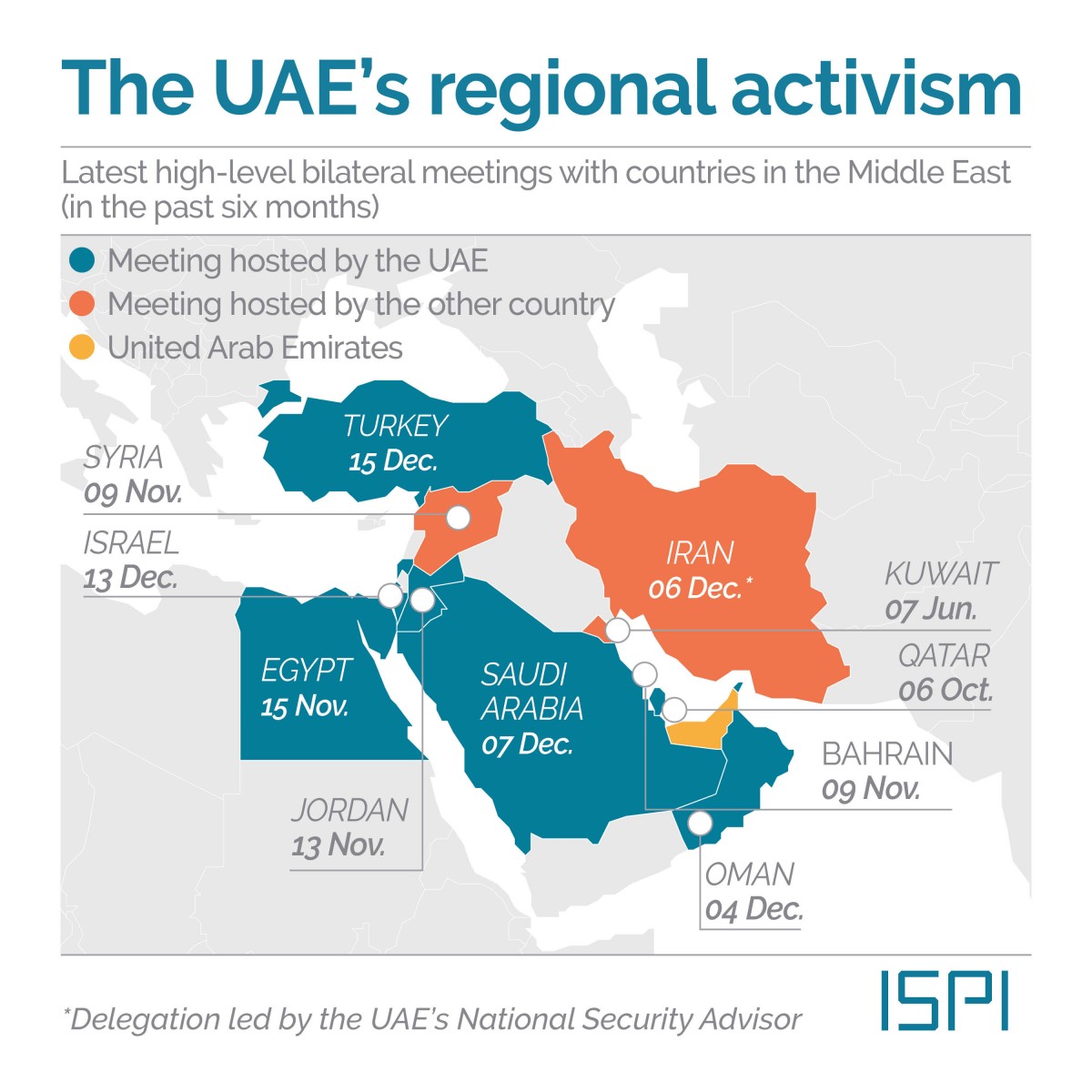
Regional cooperation is a cornerstone of the revised approach. UAE Yemen policy increasingly relies on coordination with neighboring states and international partners.
Shared intelligence, joint training, and diplomatic alignment are seen as more effective than unilateral action. This cooperative model aims to distribute responsibility and reduce the burden on any single actor.
Such cooperation is essential for managing transnational threats.
What Comes Next for UAE Yemen Policy
Looking ahead, UAE Yemen policy is expected to focus on three main pillars: diplomacy, development, and indirect security support. Political engagement will likely intensify alongside efforts to support reconstruction and economic recovery.
Security cooperation will continue through intelligence sharing and advisory roles rather than direct deployment. Monitoring the effectiveness of this approach will be critical.
The coming months will test whether the policy shift delivers greater stability and resilience.
Challenges and Uncertainties Ahead
Despite optimism, challenges remain. Yemen’s political landscape is fragmented, and progress toward peace is uneven. UAE Yemen policy must navigate these complexities while avoiding unintended consequences.
Analysts warn that transitions carry risks if not carefully managed. Sustained international engagement will be essential to support local efforts and prevent relapse into violence.
Uncertainty underscores the need for continued vigilance.
The announcement ending counterterrorism units marks a significant moment in the evolution of UAE Yemen policy. It reflects a strategic shift toward sustainable, locally driven solutions supported by diplomacy and cooperation.
While challenges persist, the move aligns with broader regional and global trends favoring de escalation and long term stability. How this policy unfolds will shape Yemen’s future and influence regional security thinking for years to come.
UAE Yemen policy now enters a critical phase where success will depend on balancing security, humanitarian, and political priorities in one of the world’s most complex conflict environments.