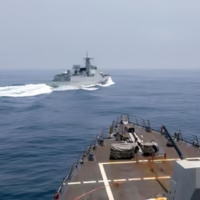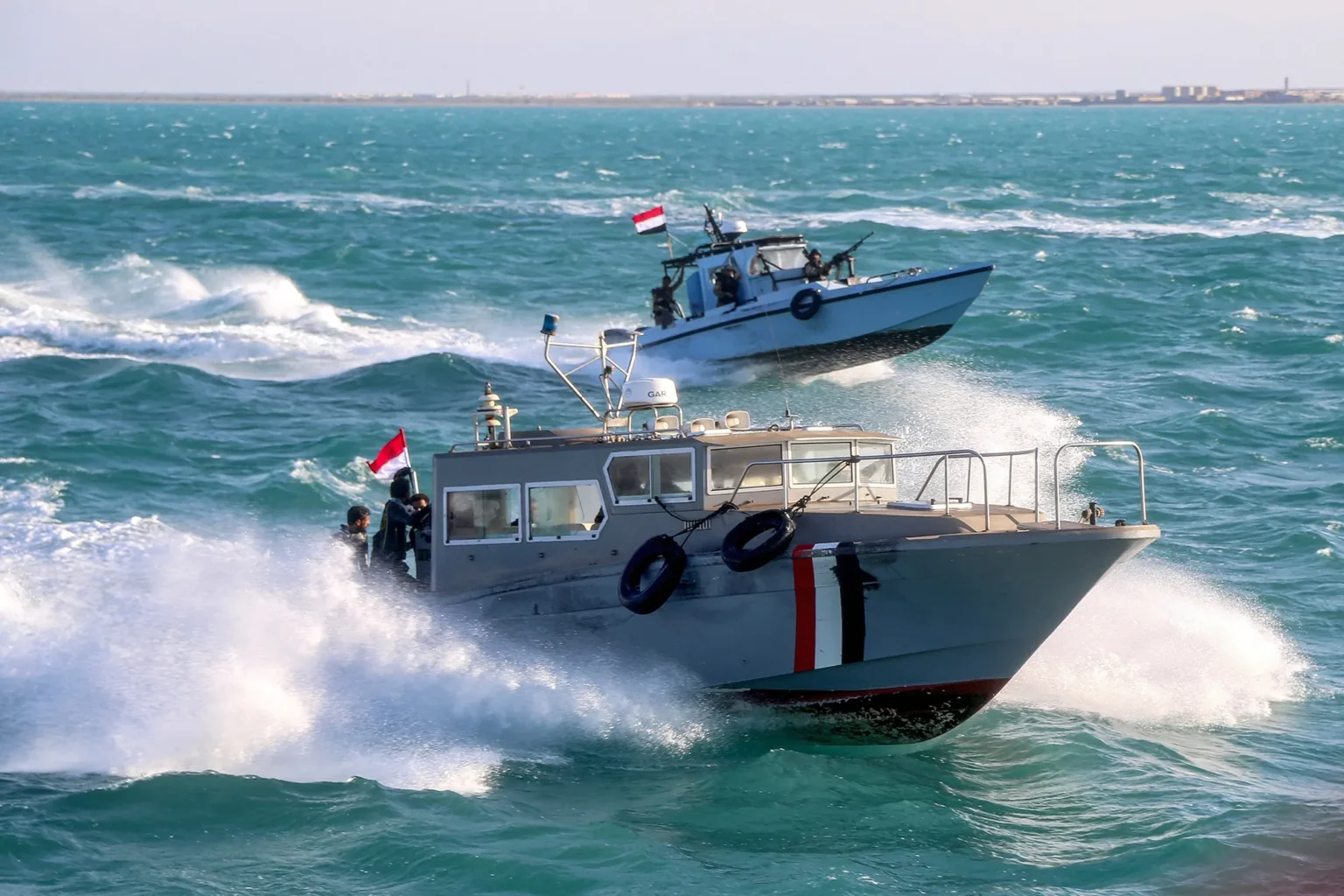
Brussel morning reports that Red Sea security has become a central global concern following renewed military action near a strategic Yemeni port. The incident, linked to an alleged unauthorised weapons shipment, has intensified scrutiny of one of the world’s most critical maritime corridors. The Red Sea is not only a regional waterway but a backbone of international trade, connecting Asia, the Middle East, Europe, and Africa. Any disruption to Red Sea security carries immediate consequences for global commerce, energy supplies, and humanitarian access to conflict-affected populations.
As tensions rise, policymakers, shipping companies, and humanitarian organizations are closely watching developments. The latest strike underscores how fragile Red Sea security has become amid overlapping conflicts, geopolitical rivalries, and unresolved political crises in Yemen.
Why Red Sea Security Matters Globally
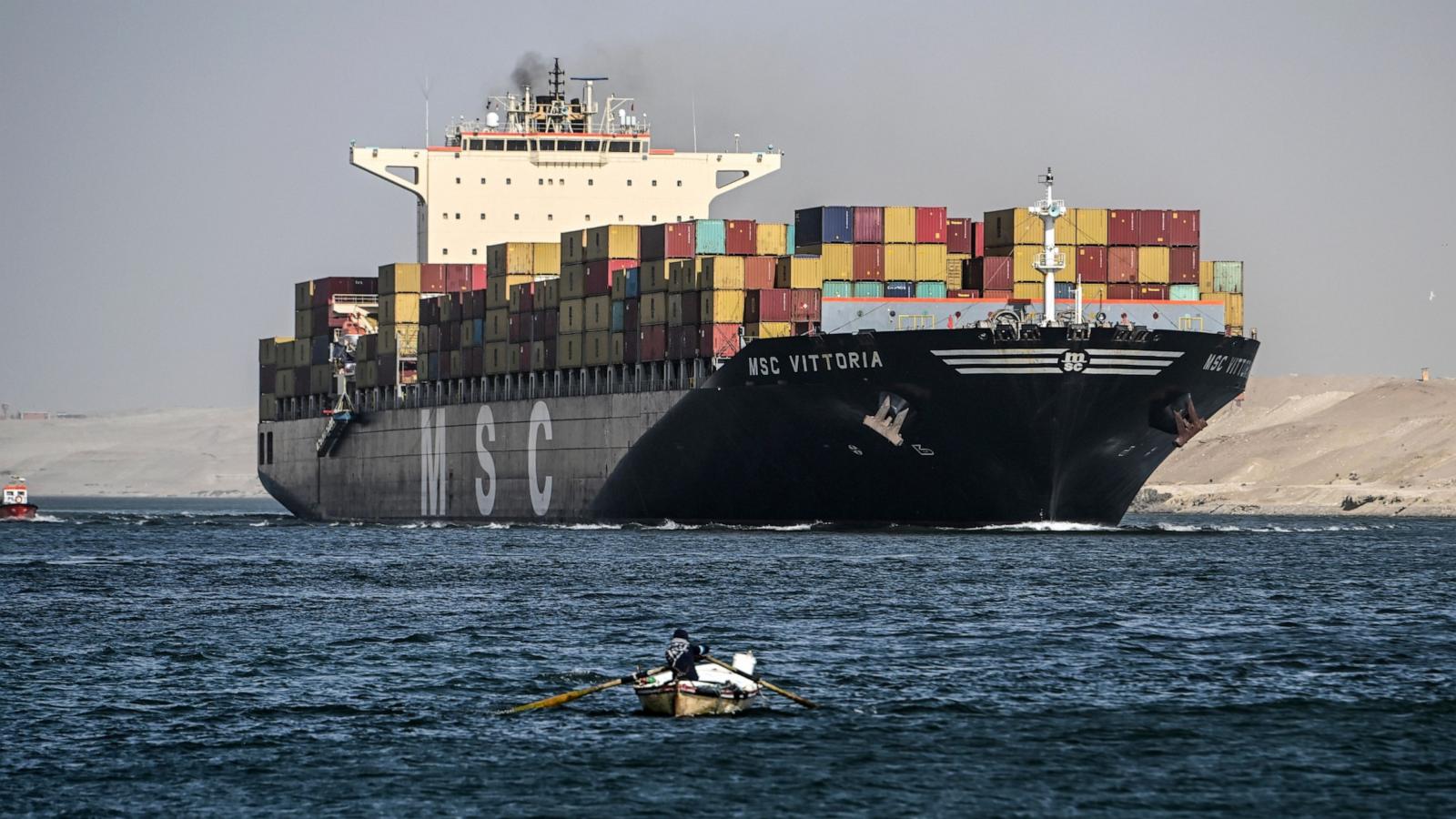
Red Sea security is vital because nearly one tenth of the world’s seaborne trade passes through this narrow stretch of water. Oil, liquefied natural gas, food commodities, and manufactured goods rely on uninterrupted transit between the Indian Ocean and the Mediterranean. Even short disruptions can cause delays, higher shipping costs, and volatility in global markets.
Beyond economics, Red Sea security also affects political stability. Coastal nations depend on maritime trade revenues, while global powers maintain a strong interest in keeping sea lanes open. When security deteriorates, the risk of escalation increases, drawing in regional and international actors.
The Yemeni Port Strike and Its Significance
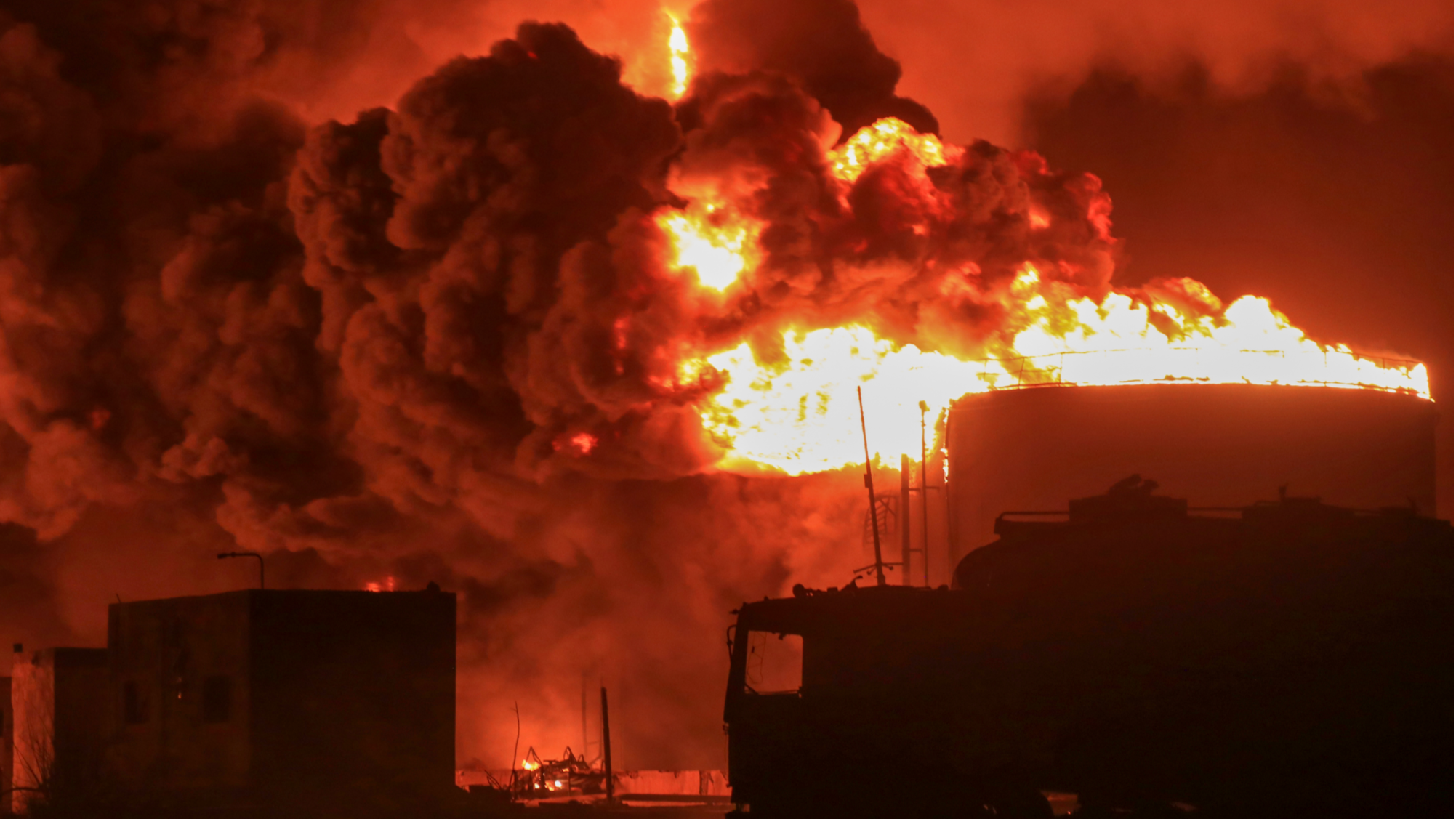
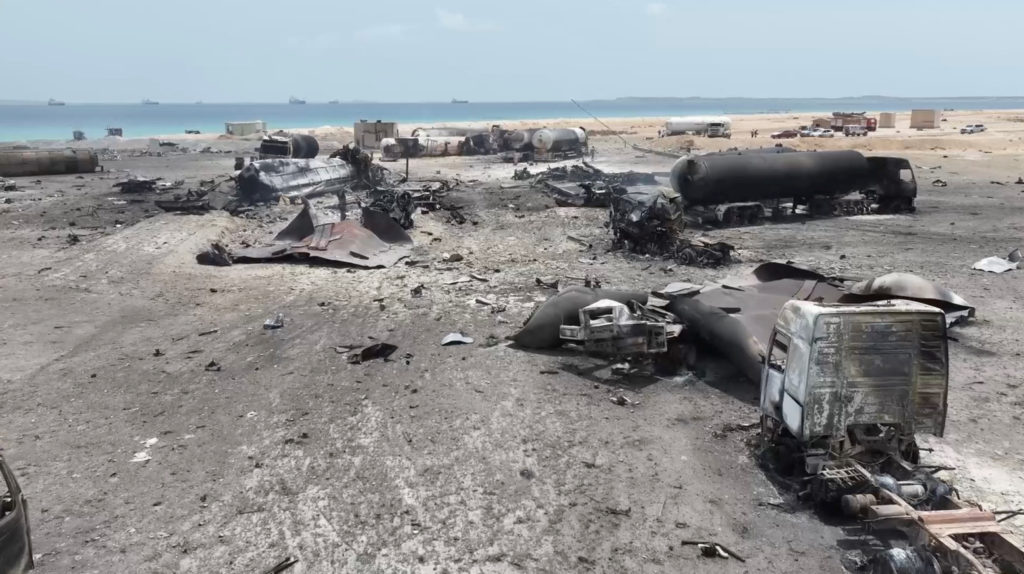
The recent strike on a Yemeni port has reignited debates over Red Sea security and the balance between military objectives and civilian protection. Coalition officials claim the port was being used to receive an unauthorised weapons shipment, posing a direct threat to regional stability and maritime traffic.
From a strategic perspective, ports are critical nodes. They handle imports essential for civilian life while also being vulnerable to exploitation for arms smuggling. This dual role makes them flashpoints in conflicts where Red Sea security is already under pressure.

Maritime Routes Under Strain
Red Sea security challenges have grown steadily over recent years. Attacks on commercial vessels, drone and missile threats, and increased naval patrols have transformed what was once considered a relatively predictable shipping lane into a high-risk zone.
Shipping companies now factor security risks into routing decisions, sometimes opting for longer and more expensive alternatives. Insurance premiums have risen, and crews face heightened stress operating in contested waters. Each new incident reinforces the perception that Red Sea security can no longer be taken for granted.
Regional Power Dynamics
Red Sea security is deeply tied to regional power politics. Gulf states, East African nations, and global powers all have stakes in the area. Military bases, naval deployments, and security agreements reflect competing interests along the Red Sea’s shores.
The Yemeni conflict sits at the center of these dynamics. As different actors seek influence, ports and coastal areas become strategic assets. Any military action near these sites reverberates across the region, affecting alliances and diplomatic calculations.
Humanitarian Impact of Port Disruptions
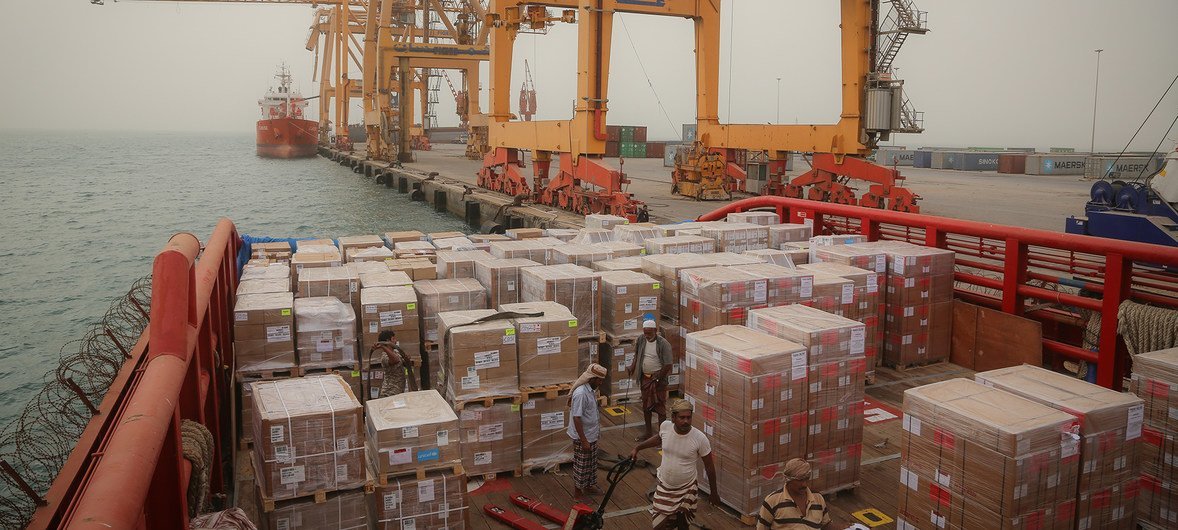
While Red Sea security is often discussed in military and economic terms, the humanitarian dimension is equally significant. Yemen relies heavily on maritime imports for food, fuel, and medicine. Ports are lifelines for millions of civilians.
When strikes or security measures disrupt port operations, humanitarian deliveries can slow or stop altogether. Aid agencies warn that even brief interruptions can worsen food insecurity and public health conditions. Ensuring Red Sea security while safeguarding humanitarian access remains one of the most difficult challenges facing policymakers.
International Law and Maritime Security
Red Sea security also raises complex legal questions. Under international law, ports and vessels can become legitimate military targets if used for hostile purposes. However, the threshold for such designation is often disputed.
States involved in enforcing Red Sea security argue that preventing weapons smuggling is a lawful and necessary objective. Critics emphasize the need for transparency, proportionality, and independent verification to protect civilians and maintain international norms.
Economic Consequences Beyond the Region
The effects of weakened Red Sea security extend far beyond the Middle East. Delays in shipping can disrupt supply chains in Europe, Asia, and Africa. Energy markets are particularly sensitive, as oil and gas shipments through the Red Sea influence global prices.
Businesses dependent on just in time delivery face increased costs and uncertainty. Over time, persistent instability could encourage structural changes in global trade routes, reshaping economic relationships.
Naval Presence and Security Measures
To address growing threats, naval forces from multiple countries have increased their presence in the region. Joint patrols, surveillance operations, and information sharing aim to bolster Red Sea security and reassure commercial shipping.
However, a heavier military footprint carries its own risks. Misunderstandings or accidental encounters could escalate tensions. Effective communication and clear rules of engagement are essential to maintaining stability.
Diplomatic Efforts and Conflict Resolution
Diplomacy plays a crucial role in restoring Red Sea security. Negotiations over Yemen’s future, confidence building measures, and regional dialogue all contribute to reducing the likelihood of further incidents.
Some analysts argue that sustainable Red Sea security cannot be achieved through military means alone. Addressing the root causes of conflict, including political exclusion and economic hardship, is essential for long-term stability.
The Role of Intelligence and Monitoring
Intelligence gathering is central to modern Red Sea security strategies. Surveillance technologies, satellite imagery, and maritime tracking systems help identify suspicious गतिविधies and potential threats.
While these tools enhance security, they also raise concerns about accountability and transparency. Balancing effective monitoring with respect for international norms remains an ongoing challenge.
Public Perception and Media Coverage
Media reporting shapes how Red Sea security issues are understood globally. Headlines about strikes, shipping disruptions, and rising tensions influence public opinion and policy debates.
Accurate, balanced reporting is critical. Overstating threats can fuel panic, while underreporting risks can leave stakeholders unprepared. Clear communication helps ensure informed decision making.
Future Scenarios for Red Sea Security
Looking ahead, Red Sea security could follow several paths. Improved cooperation and successful diplomacy might stabilize the region, reducing risks for shipping and civilians alike. Conversely, continued conflict and fragmented governance could lead to further militarization.
Technological advances may also play a role, with enhanced monitoring and defensive systems changing how security is managed. Ultimately, political will and regional cooperation will determine the outcome.
Red Sea security stands at a crossroads following the latest Yemeni port strike. The incident highlights how interconnected military actions, humanitarian needs, and global trade have become. Protecting Red Sea security is not solely a regional issue but a shared international responsibility.
As tensions persist, the challenge lies in preventing escalation while addressing legitimate security concerns. A balanced approach that combines diplomacy, humanitarian safeguards, and coordinated maritime security measures offers the best hope for stability in one of the world’s most vital waterways.