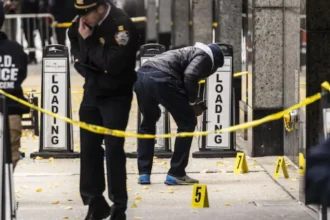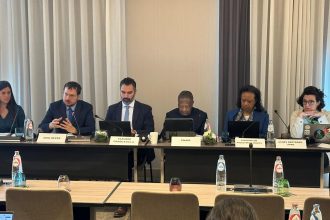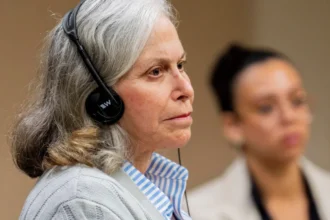

brussel morning coverage has drawn global attention after Khaleda Zia dies at the age of 80, closing one of the most consequential and polarizing chapters in Bangladesh’s political history. The former prime minister, opposition leader, and long time rival to the country’s current leadership passed away following years of serious health complications, according to party officials and family sources. Her death immediately prompted nationwide mourning, heightened security measures, and renewed debate over her lasting influence on the country’s democratic journey.
The passing of the veteran leader marks more than a personal loss for supporters. It represents a profound political moment for Bangladesh and the broader South Asian region.
Who Was Khaleda Zia
Khaleda Zia was one of the most influential women in South Asian politics. Born in 1945, she entered public life after the assassination of her husband, President Ziaur Rahman, and rose rapidly within the Bangladesh Nationalist Party.
Over decades, she became a symbol of opposition politics and democratic contestation. The moment Khaleda Zia dies has led many Bangladeshis to reflect on her transformation from a reluctant political figure into a dominant national leader.
Years in Power and Democratic Transition
Khaleda Zia served two terms as prime minister, first from 1991 to 1996 and later from 2001 to 2006. Her first tenure coincided with Bangladesh’s return to parliamentary democracy after military rule, a period widely viewed as historically significant.
Supporters argue she played a central role in restoring democratic norms and political pluralism. Critics counter that governance challenges and allegations of corruption undermined institutional progress. As Khaleda Zia dies, both perspectives are being revisited with renewed intensity.
A Rivalry That Defined Bangladesh Politics
No discussion of her legacy is complete without examining her rivalry with Sheikh Hasina. The bitter contest between the two leaders shaped Bangladesh’s political landscape for more than three decades.
This rivalry fueled cycles of protests, boycotts, and confrontations that often paralyzed governance. Analysts say the fact that Khaleda Zia dies may permanently alter the dynamics of opposition politics that revolved around this long standing personal and ideological conflict.
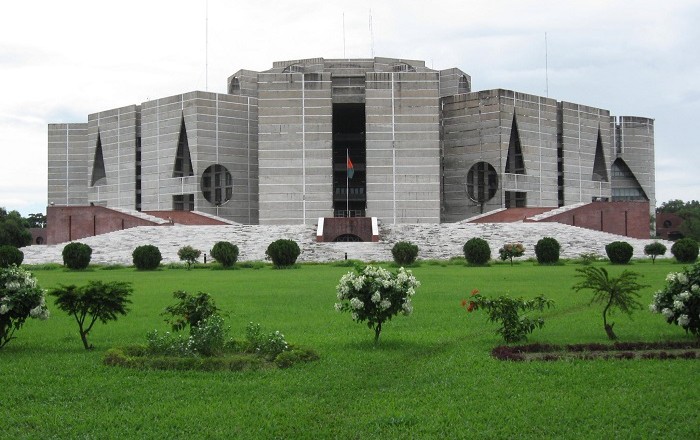
Legal Challenges and Political Marginalization
In her later years, Khaleda Zia faced multiple corruption convictions that resulted in imprisonment and severely limited political activity. Her party consistently described the cases as politically motivated, while the government maintained that the judiciary acted independently.
The news that Khaleda Zia dies has revived debate over whether her legal troubles contributed to the decline of opposition politics and weakened democratic competition in Bangladesh.
Declining Health and Restricted Medical Care
Health concerns dominated Khaleda Zia’s final years. She reportedly suffered from chronic liver disease, heart complications, and other age related illnesses that required ongoing treatment.
Despite repeated appeals from supporters for overseas medical care, restrictions remained in place for long periods. Confirmation that Khaleda Zia dies followed weeks of speculation about her worsening condition, intensifying criticism from opposition figures.
Nationwide Reaction and Mourning
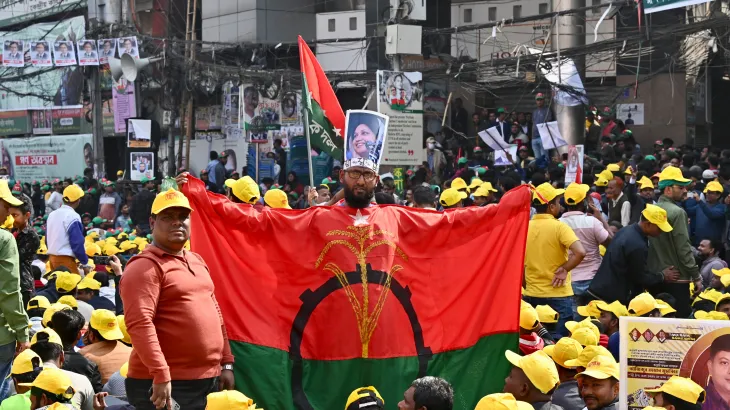
When Khaleda Zia dies, the response across Bangladesh was immediate and emotional. Supporters gathered at party offices and her residence in Dhaka, while BNP flags were lowered nationwide.
Government officials issued formal condolences acknowledging her role as a former prime minister, even as political divisions remained visible. Security was tightened in major cities to prevent unrest during mourning events.
International Condolences and Regional Impact
The announcement that Khaleda Zia dies prompted condolence messages from foreign governments, international organizations, and political figures across South Asia. Many highlighted her status as one of the first female prime ministers in the Muslim world.
Diplomats noted her long engagement with international partners and her influence on regional political discourse during critical periods of South Asian history.
Impact on the Bangladesh Nationalist Party
Khaleda Zia remained the unifying figure of the BNP even while absent from active politics. Her death now forces the party into a critical transition phase.
With Khaleda Zia dies, analysts expect leadership restructuring that could redefine opposition strategy ahead of future elections. The challenge will be maintaining unity without the figure who symbolized resistance for decades.
Public Debate Over Her Political Legacy
Public reaction to her death reflects Bangladesh’s deeply divided political culture. Supporters emphasize her role in democratic restoration and opposition leadership.
Critics focus on governance shortcomings and corruption allegations. The moment Khaleda Zia dies has reignited national debate over how history will judge her leadership.
Women and Power in South Asia
Khaleda Zia’s career placed her among a small group of women who dominated South Asian politics. Alongside Sheikh Hasina, she reshaped perceptions of female leadership in a traditionally male dominated political environment.
With Khaleda Zia dies, commentators note the symbolic closing of an era defined by two women whose rivalry shaped an entire nation.
Political Stability After Her Passing
Observers are closely watching how Bangladesh’s political environment responds now that Khaleda Zia dies. Some believe her absence could reduce polarization, while others warn of increased uncertainty within opposition ranks.
Authorities have urged calm and respect as funeral arrangements and memorial events proceed.
Media Coverage and Historical Reflection
Local and international media have provided extensive coverage as Khaleda Zia dies, revisiting archival footage of her speeches, campaigns, and parliamentary addresses.
Historians argue her leadership cannot be separated from Bangladesh’s post independence evolution, making her death a moment of national reflection.
What Happens Next for Bangladesh Politics
The government is expected to coordinate funeral arrangements in consultation with her family and party leaders. Large public gatherings are anticipated, with strict security measures in place.
Politically, the period following her death will likely shape the future of opposition politics and electoral competition.
Why This Matters Beyond Bangladesh
The moment Khaleda Zia dies resonates beyond national borders. It underscores how individual leaders can shape democratic trajectories in developing nations and how their absence can create political uncertainty.
For international observers, her passing marks a turning point in South Asian political dynamics.
The announcement that Khaleda Zia dies represents the end of a defining era in Bangladesh politics. Revered by supporters and criticized by opponents, she shaped the country’s democracy through decades of leadership, rivalry, and resistance.
As Bangladesh mourns, the nation now faces a future without one of its most influential political figures, raising fundamental questions about leadership, opposition unity, and the next chapter in its democratic journey.