brussel morning coverage highlights a major shift in home entertainment as a new smart TV photo gallery experience is set to arrive on Samsung TVs in 2026. The update will allow users to access cloud based photo libraries directly from their televisions, turning smart TVs into immersive personal memory displays. By integrating Google Photos into Samsung’s smart TV ecosystem, televisions are evolving beyond streaming devices and becoming central hubs for family photos, shared memories, and digital storytelling.
What a Smart TV Photo Gallery Really Means
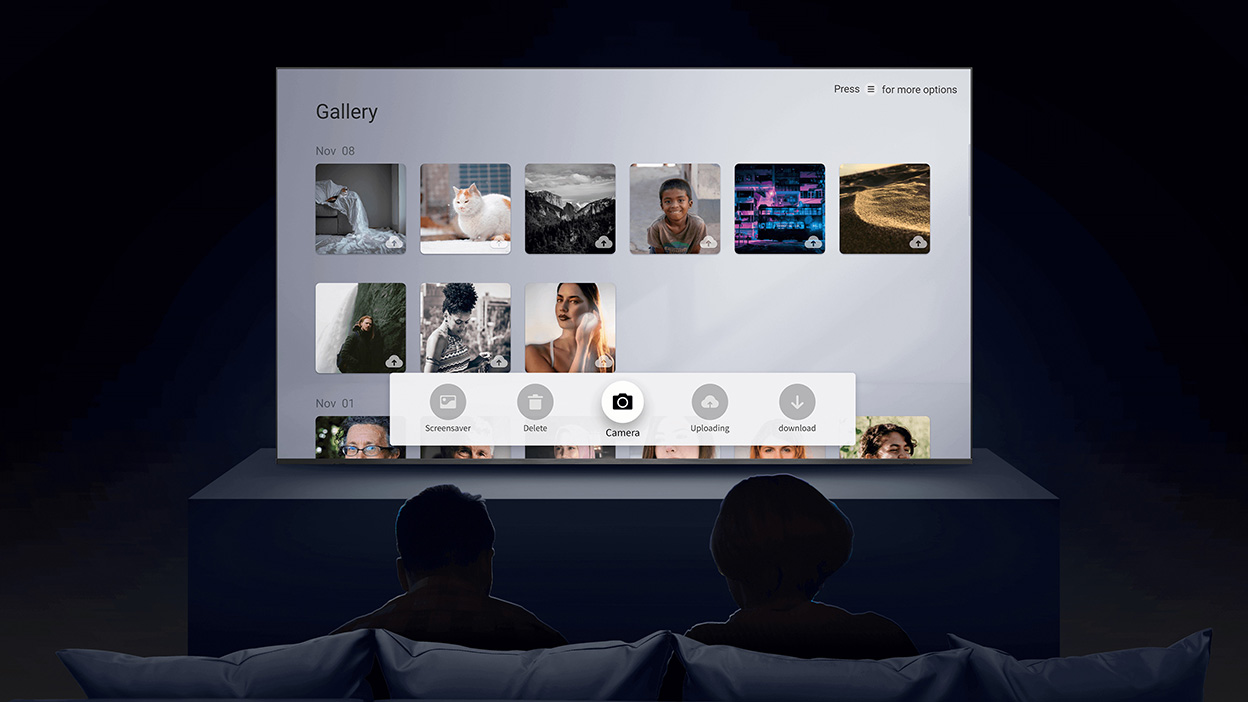
A smart TV photo gallery is more than a simple slideshow feature. It represents a full screen, cloud connected experience designed specifically for large displays. Unlike traditional USB based photo viewers, this system syncs automatically with online photo libraries, organizes images intelligently, and updates in real time.
With this evolution, smart TVs become living photo frames that showcase moments from daily life, travel, celebrations, and milestones. The smart TV photo gallery concept aligns with how people increasingly use technology to preserve and share memories.
Why Samsung TVs Are Central to This Update
Samsung leads the global TV market, with millions of smart TVs active in homes worldwide. Its Tizen operating system already supports advanced applications, making it an ideal platform for deeper cloud integration.
The addition of a smart TV photo gallery strengthens Samsung’s position as a lifestyle technology brand. Rather than locking users into proprietary services, Samsung enables flexibility by supporting Google’s ecosystem, a move that appeals to modern consumers who value openness and compatibility.
The Role of Google Photos in the Smart TV Photo Gallery
Google Photos provides the backbone of the new smart TV photo gallery experience. Known for its AI driven organization, automatic backups, and seamless syncing across devices, Google Photos brings intelligence and scale that traditional TV photo apps lack.
On Samsung TVs, users will be able to browse albums, view curated memories, and display rotating slideshows. The experience is designed to feel native to the television rather than a mirrored mobile app.
Expected Features at Launch in 2026
Early details suggest the smart TV photo gallery will include a clean interface optimized for remote control navigation. Anticipated features include:
Full access to Google Photos libraries
- AI curated albums and memory highlights
- Automatic slideshows when the TV is idle
- Shared family albums displayed on demand
These features aim to make the smart TV photo gallery both functional and emotionally engaging.

How Users Will Navigate the Experience
Navigation will focus on simplicity. After signing in with a Google account, the photo library will sync automatically. Users can browse by albums, dates, or curated memories using standard TV controls.
The design prioritizes large visuals, minimal text, and smooth transitions. This approach ensures the smart TV photo gallery is accessible for all age groups, including users who may not be comfortable with complex menus.
Transforming the Living Room Experience
Smart TVs increasingly act as ambient displays when not actively streaming content. A smart TV photo gallery fits naturally into this role by turning idle screens into rotating showcases of personal moments.
Families can display vacation photos during gatherings, highlight special events, or simply enjoy everyday memories as part of their living space. This emotional connection is what sets a smart TV photo gallery apart from traditional entertainment features.
Comparison With Existing TV Photo Options
Most smart TVs already allow basic photo viewing through USB drives or limited apps. However, these solutions often require manual updates and lack intelligent organization.
The new smart TV photo gallery improves on this by offering cloud syncing, AI sorting, and hands free updates. This places Samsung TVs ahead of competitors relying on outdated photo viewing methods.
Privacy and Security Considerations
Expanding cloud services to televisions raises privacy questions. Google has emphasized that existing privacy controls will apply across devices.
Users will control which albums appear on their TVs, and sign in protections will prevent unauthorized access. These safeguards are essential for building trust in the smart TV photo gallery experience, particularly in shared household environments.
Why the Launch Is Scheduled for 2026
The 2026 rollout allows both companies to ensure compatibility across newer TV models with faster processors and improved memory. It also gives developers time to optimize performance for large screen displays.
By waiting, Samsung and Google aim to deliver a refined smart TV photo gallery rather than a limited early version. This timing aligns with broader smart TV hardware upgrades expected over the next few years.
What This Means for Current Samsung TV Owners
Depending on model age and specifications, some existing Samsung TVs may receive the smart TV photo gallery via a software update. Newer models are expected to support the full feature set.
For consumers, this adds long term value to their TVs, reinforcing the idea that smart TVs can improve over time through software rather than becoming outdated.
Industry and Market Reaction
Industry analysts see the move as part of a broader trend toward personalization. While streaming apps compete on content, personalization drives daily engagement.
The smart TV photo gallery taps into emotional usage rather than passive viewing, making TVs more relevant outside of prime time entertainment hours.
Future Expansion Possibilities
Beyond photos, future updates could include video memories, voice controlled album selection, or deeper smart home integration.
For example, users might ask their TV to display recent family photos or show highlights from a specific trip. These possibilities suggest the smart TV photo gallery could become a foundation for broader smart home experiences.
How This Compares to Other Platforms
Other TV manufacturers rely on proprietary photo apps or limited third party support. None currently match the scale and intelligence of Google Photos.
This gives Samsung a competitive advantage, especially among Android users already invested in Google’s ecosystem. The arrival of a smart TV photo gallery could influence future TV purchasing decisions.
Preparing for the 2026 Launch
Users interested in the feature should ensure their Google Photos libraries are well organized. Creating albums and enabling face recognition will enhance the TV experience.
As marketing ramps up closer to launch, the smart TV photo gallery is expected to feature prominently in Samsung product showcases and demonstrations.
The introduction of a smart TV photo gallery on Samsung TVs in 2026 marks a meaningful evolution in how people interact with their personal content at home. By bringing cloud based photos to the largest screen in the house, Samsung and Google are redefining the role of the television.
With intelligent organization, seamless syncing, and immersive display, the smart TV photo gallery is poised to become a standout feature that blends technology with everyday life. As smart TVs continue to evolve, this update sets a new standard for personalization and connected living.