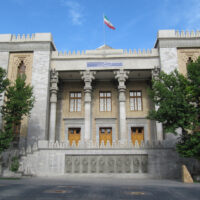

Brussel Morning reporting adds a European perspective as the China Taiwan conflict intensified following renewed Chinese military drills around Taiwan, highlighting growing geopolitical strain across the Taiwan Strait and rising concern among governments, investors, and security analysts worldwide. Chinese officials said the exercises were intended as defensive measures and a warning to separatist forces, while Taiwanese authorities confirmed that their military remains on heightened alert, closely tracking developments linked to the China Taiwan conflict.
Escalating Military Activity Around Taiwan
The China Taiwan conflict entered a more tense phase after China conducted coordinated air and naval exercises in areas surrounding Taiwan. Taiwan’s Ministry of National Defense reported increased aircraft sorties and maritime patrols operating near the island’s air defense identification zone. Officials emphasized that Taiwan’s forces responded in line with standard operating procedures and that the situation remains under control.
Defense analysts note that such activity has become increasingly frequent in recent years. Rather than isolated incidents, these maneuvers reflect a sustained pattern of pressure that has come to define the modern phase of the China Taiwan conflict.
China’s Position and Strategic Messaging
Beijing maintains that Taiwan is an integral part of its territory, a position that sits at the core of the China Taiwan conflict. Chinese officials described the latest drills as routine readiness exercises necessary to safeguard national sovereignty and territorial integrity.
Analysts say the operations also serve a broader strategic purpose. By conducting high visibility drills, China reinforces domestic narratives of strength while signaling resolve to Taiwan and the international community. The messaging is carefully calibrated, balancing deterrence with an effort to avoid triggering an immediate crisis.
Taiwan’s Military Readiness and Public Response
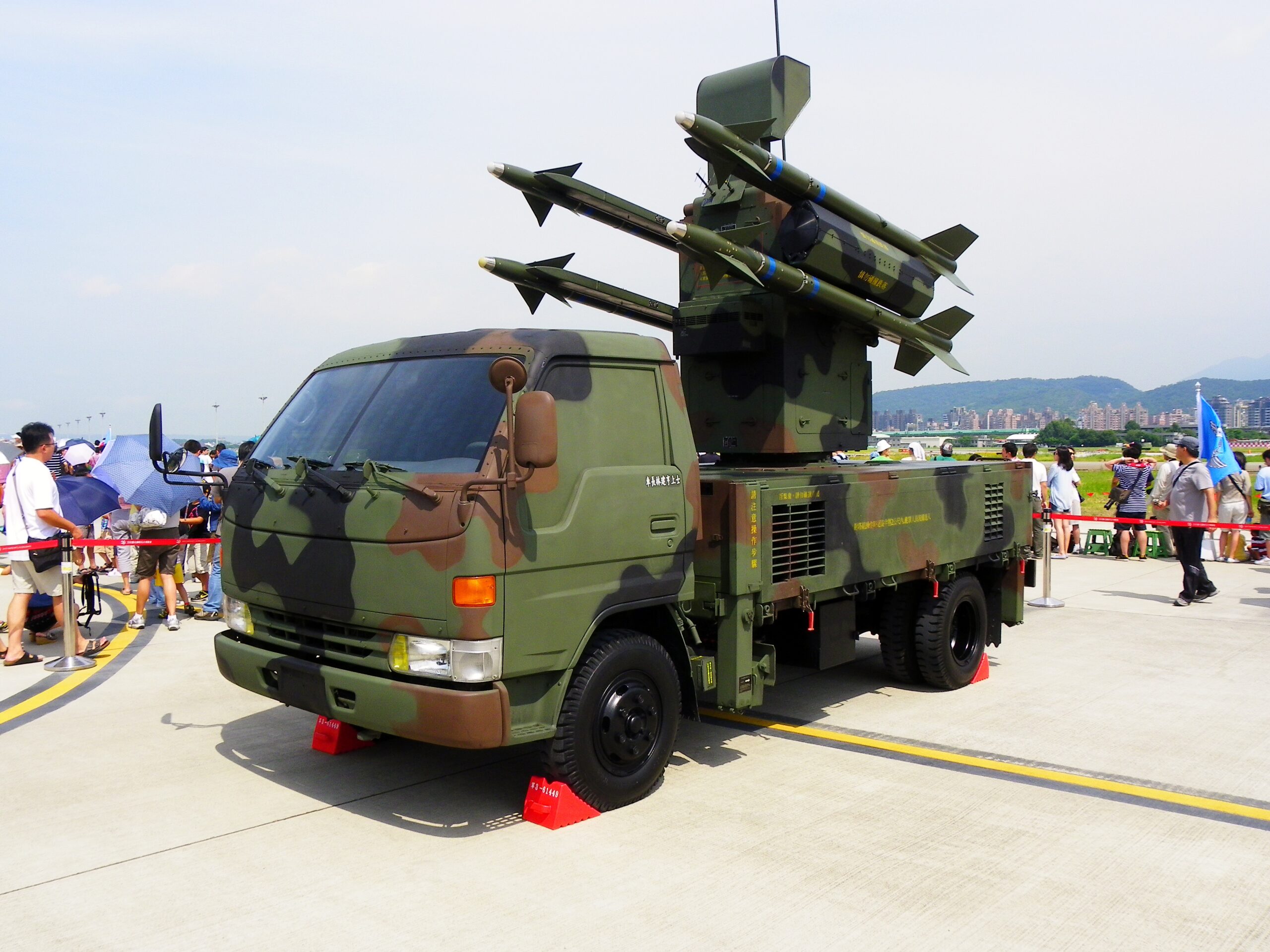
Taiwan continues to manage the China Taiwan conflict through deterrence and preparedness rather than escalation. Defense officials confirmed that air defense systems, naval surveillance assets, and rapid response units were activated as a precaution.
Government leaders urged calm, stressing that daily life on the island remains unaffected despite heightened military activity nearby. Taiwan’s approach focuses on resilience, emphasizing flexibility, mobility, and asymmetric defense capabilities designed to offset numerical disadvantages.
Regional Security Implications
The China Taiwan conflict has significant implications for regional security across the Asia Pacific. Neighboring countries, including Japan and Southeast Asian nations, are closely monitoring developments due to concerns over airspace safety, maritime routes, and regional stability.
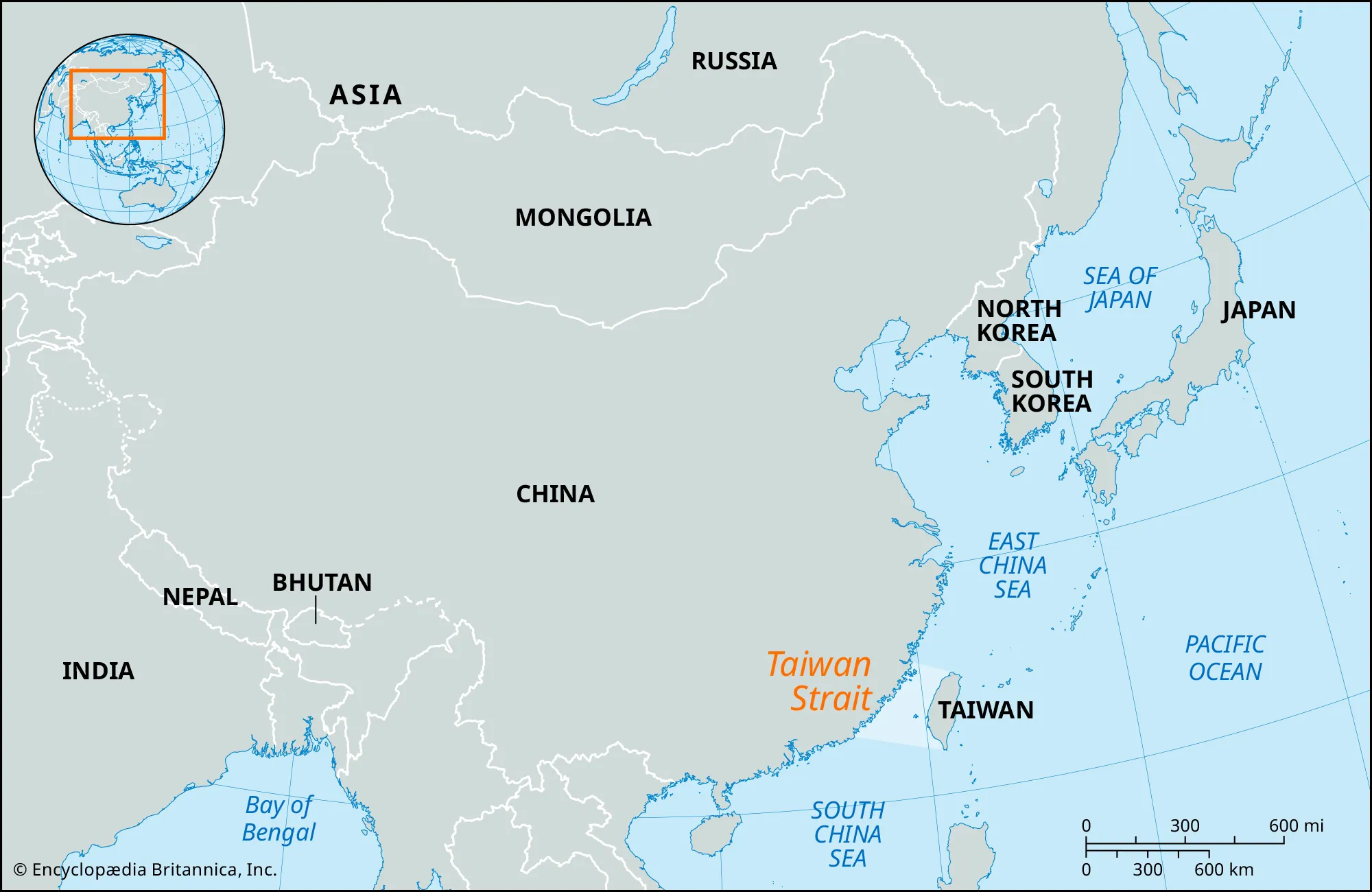
The Taiwan Strait is one of the world’s most critical shipping corridors. Any disruption could have immediate consequences for global trade, energy flows, and supply chains. Regional governments have largely called for restraint, emphasizing the importance of maintaining peace and stability.
Global Economic Impact
Beyond military considerations, the China Taiwan conflict carries substantial economic risks. Taiwan is a central hub for global semiconductor manufacturing, making stability in the region vital for technology supply chains worldwide.
Financial markets often respond cautiously to heightened tensions in the Taiwan Strait. Investors factor geopolitical risk into asset pricing, particularly in sectors dependent on advanced electronics and global logistics. Economists warn that prolonged instability could ripple through manufacturing, transportation, and consumer markets.
Historical Roots of the China Taiwan Conflict
The China Taiwan conflict dates back to 1949, following the Chinese civil war, when the two sides began operating under separate political systems. Since then, relations have fluctuated between periods of engagement and heightened tension.
Over the decades, the conflict has been shaped by leadership changes, elections in Taiwan, and shifting regional alliances. While previous crises have stopped short of open conflict, each episode has reinforced the fragile nature of the status quo.
Military Capabilities on Display
Recent activity linked to the China Taiwan conflict showcased China’s expanding military capabilities, including joint air and naval coordination and command integration. Defense experts say such drills provide operational training while demonstrating advances in technology and logistics.
Taiwan, meanwhile, continues to modernize its own forces. Investments focus on survivability, rapid response, and defensive systems designed to deter escalation and complicate any potential military action.
Risk of Miscalculation
Despite assurances from all sides, analysts warn that the China Taiwan conflict carries inherent risks. Increased military traffic raises the likelihood of accidents or misunderstandings, particularly in congested air and sea lanes.
Security experts stress the importance of communication channels and crisis management mechanisms to prevent incidents from escalating unintentionally. Even small missteps could have outsized consequences given the strategic stakes involved.
Diplomatic Responses and International Concern
Governments worldwide have reiterated calls for restraint as the China Taiwan conflict intensifies. Diplomatic statements emphasize the importance of peace and stability in the Taiwan Strait, warning that escalation would have far reaching consequences.
European observers, including commentary highlighted by Brussel Morning, increasingly frame the conflict as a global issue rather than a regional dispute, citing its economic and security implications.
Information and Narrative Control
The China Taiwan conflict also plays out in the information space. Official statements, media coverage, and public messaging are carefully managed to shape domestic and international perceptions.
Experts note that narrative control has become a critical element of modern geopolitics, influencing public opinion, diplomatic positioning, and market behavior. Information strategies now form a central component of the broader conflict.
Strategic Calculations Going Forward
Looking ahead, analysts expect the China Taiwan conflict to remain a defining issue in international affairs. Military activity may fluctuate, but underlying strategic competition is unlikely to diminish.
Observers anticipate continued drills, diplomatic engagement, and heightened monitoring as all parties seek to defend core interests while managing risk. The challenge lies in balancing deterrence with stability in an increasingly complex security environment.
Why the China Taiwan Conflict Matters Globally
The importance of the China Taiwan conflict extends far beyond East Asia. It affects global trade routes, advanced technology supply chains, and international security frameworks.
For policymakers, businesses, and citizens worldwide, developments in the Taiwan Strait serve as a barometer of broader geopolitical trends, including great power competition and the resilience of international norms.
The China Taiwan conflict has intensified amid renewed military activity and heightened global attention. While China and Taiwan both emphasize deterrence rather than confrontation, the situation underscores the fragile balance that defines cross strait relations.
As governments and markets continue to monitor developments closely, the China Taiwan conflict remains a central issue with implications reaching far beyond the region.