As economic uncertainty continues to shape household budgets, many Americans are already looking ahead to future tax seasons for signs of financial relief. One topic drawing significant attention is the projected US tax refund 2026, which analysts believe could be larger for a wide range of taxpayers due to structural changes in the federal tax system.
Tax refunds are not simply accounting adjustments. For millions of households, they represent stability, recovery, and opportunity. Understanding why refunds may increase, who benefits most, and how to prepare is essential for maximizing financial outcomes in the coming years.

Why Tax Refund Expectations Are Growing
Refund expectations do not come from speculation or political messaging. They are grounded in how the U.S. tax code automatically adjusts to economic conditions. One of the most important mechanisms is inflation indexing, which affects tax brackets, standard deductions, and credit thresholds.
When inflation rises faster than wages, these adjustments prevent taxpayers from being pushed into higher tax rates unfairly. Over time, this creates meaningful savings. These dynamics are central to why the US tax refund 2026 is expected to stand out compared to recent filing seasons.
Inflation Indexing and Its Compounding Effect
Inflation indexing is designed to maintain fairness within the tax system. Without it, even modest cost-of-living increases could result in higher taxes without any real gain in purchasing power.
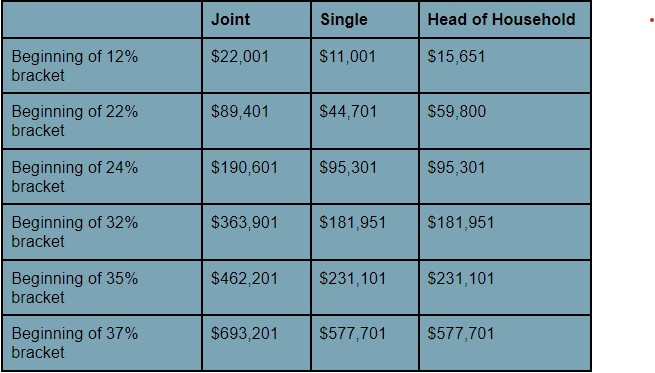
Recent inflation levels have led to larger-than-average bracket adjustments. These increases compound year over year, gradually lowering effective tax rates across income levels. This structural change quietly supports a stronger US tax refund 2026 for millions of filers, even if their income remains relatively stable.
The Role of the Standard Deduction
The standard deduction plays a major role in determining how much income is taxed. Since the majority of taxpayers do not itemize deductions, increases to the standard deduction directly benefit most households.
As the deduction rises, taxable income decreases. This reduction translates into lower overall tax liability and often a larger refund. This factor alone significantly influences projections for the US tax refund 2026, particularly for middle-income earners.
Refundable Credits and Their Importance
Refundable tax credits are among the most impactful components of the tax system. Unlike deductions, which only reduce taxable income, credits reduce tax liability dollar for dollar and can generate refunds even if no tax is owed.
Credits related to earned income, dependents, education, and energy efficiency continue to provide targeted relief. These credits heavily shape the final amount of the US tax refund 2026, especially for working families and lower-income households.
Families and Dependents See the Greatest Impact
Households with children or dependents tend to benefit disproportionately from refundable credits. These credits were designed to offset the rising costs of childcare, education, and basic living expenses.
For families balancing tight budgets, a larger refund can cover essentials such as housing, healthcare, or transportation. This is one of the clearest reasons the US tax refund 2026 is expected to provide meaningful relief to family households.
Middle-Income Earners and Bracket Adjustments
Middle-income taxpayers often feel squeezed between rising costs and limited eligibility for assistance programs. Inflation-adjusted tax brackets help alleviate some of this pressure.
As brackets rise, more income is taxed at lower rates. This structural benefit supports higher refunds for wage earners, reinforcing expectations surrounding the US tax refund 2026.
Why Refunds Matter in the Current Economy
Tax refunds frequently act as a financial reset. Many Americans rely on them to stabilize their finances after months of rising expenses.
Refunds are commonly used to:
- Pay off high-interest debt
- Catch up on housing payments
- Cover medical and insurance costs
- Repair vehicles or homes
- Build emergency savings
A stronger US tax refund 2026 could provide relief at a time when many households are still feeling economic strain.
Broader Economic Effects of Larger Refunds
Refund season has ripple effects across the economy. When millions of people receive larger refunds simultaneously, consumer spending typically rises.
Retailers, service providers, and small businesses often see increased activity. Economists note that a healthy US tax refund 2026 cycle could support economic growth without the need for new stimulus measures.
Planning Ahead to Maximize Your Refund
Preparation remains the most effective way to ensure a full refund. Each year, taxpayers leave billions of dollars unclaimed due to missed credits and filing errors.
To prepare, individuals should:
- Organize income and expense records early
- Track dependent and education-related costs
- Review previous returns for missed credits
- Stay informed about eligibility rules
These steps help ensure the US tax refund 2026 reflects all available benefits.
Common Misconceptions About Large Refunds
A common belief is that a large refund means a taxpayer overpaid throughout the year. While withholding plays a role, many refunds increase due to credits and structural adjustments.
In the case of the US tax refund 2026, much of the increase is driven by built-in tax code mechanisms rather than over-withholding.
Policy Stability and Long-Term Impact
Tax policy stability allows adjustments to accumulate gradually. Rather than dramatic reforms, consistent indexing and credit expansions produce long-term benefits.
This predictability gives analysts confidence when discussing expectations for the US tax refund 2026, even well before filing season arrives.
Factors That Can Influence Individual Refunds
Despite strong projections, individual refund amounts will vary. Income changes, employment shifts, marital status, and dependents all affect outcomes.
However, the framework supporting a higher US tax refund 2026 is already in place, making widespread reductions unlikely without major legislative changes.
Using Refunds for Long-Term Financial Health
While refunds often address immediate needs, they can also support long-term goals. Some households use refunds to build emergency funds, reduce debt, or invest in education or training.
Viewing the US tax refund 2026 as part of a broader financial strategy can improve stability beyond a single tax season.
The Psychological Impact of a Larger Refund
Beyond numbers, refunds carry emotional weight. A larger refund can reduce stress, restore confidence, and provide a sense of progress after periods of financial pressure.
For many households, the anticipated US tax refund 2026 represents hope for stability and recovery rather than just a line item on a return.
Tax season rarely inspires optimism, but upcoming conditions suggest a different experience for many Americans. Inflation indexing, higher deductions, and refundable credits are aligning in favor of taxpayers.
With careful preparation and accurate filing, the US tax refund 2026 has the potential to deliver meaningful relief, increased confidence, and financial breathing room for millions of households across the country.