
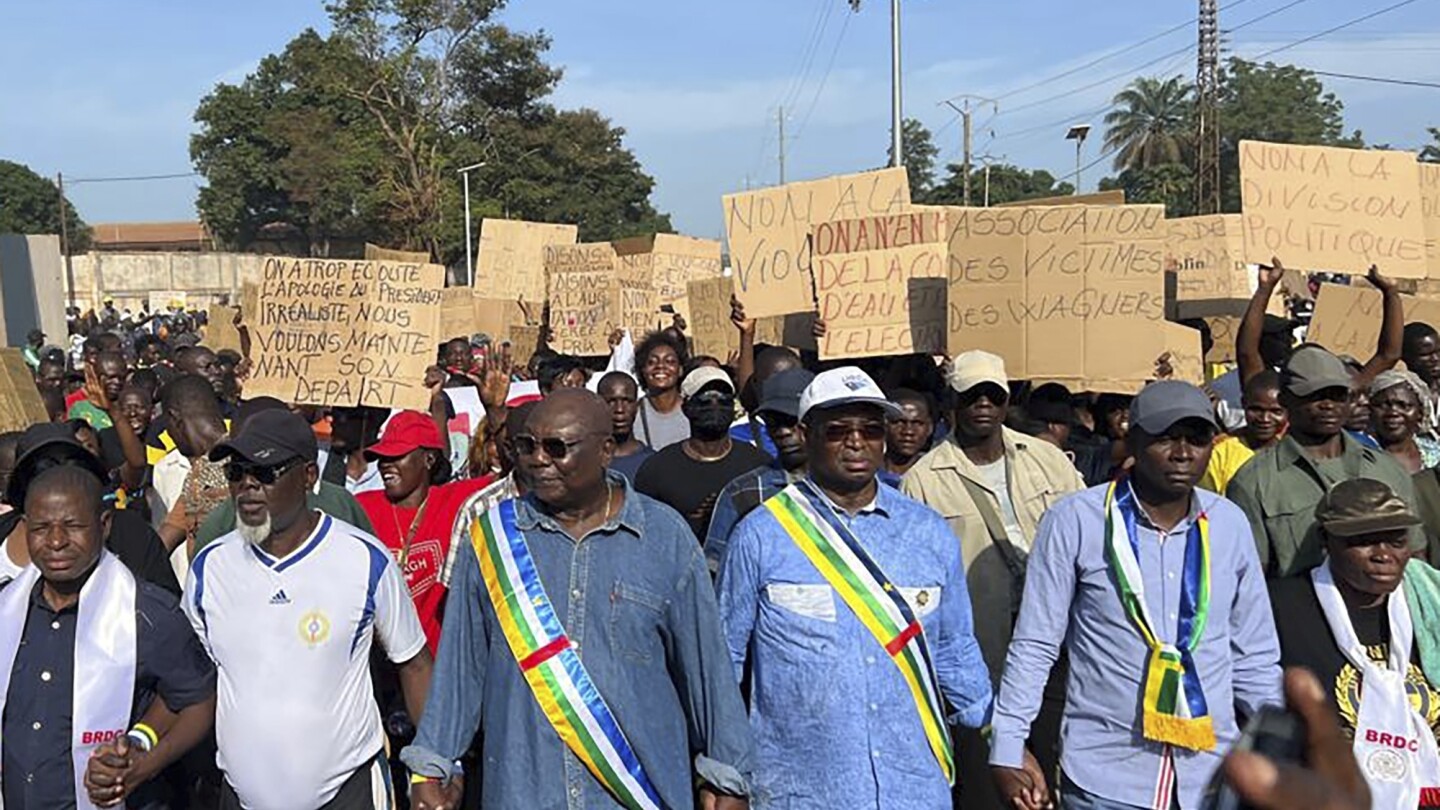
Election stakes Africa are sharply in focus as the Central African Republic prepares for a pivotal national vote that could redefine the country’s political direction after years of conflict, instability, and fragile governance. The election is taking place in an environment shaped by insecurity, economic hardship, and deep public skepticism, making the outcome significant not only for the nation itself but also for the wider region of Central Africa. For voters, the decision represents a rare opportunity to influence the country’s future through democratic means rather than violence.
The Central African Republic, often referred to as CAR, has long struggled to establish lasting political stability. Since independence, repeated coups, armed rebellions, and contested elections have weakened state institutions and eroded trust in government. These challenges have left large portions of the country outside effective state control, with armed groups filling the vacuum. As a result, the upcoming election carries unusually high stakes for peace, legitimacy, and national cohesion.
A History Shaped by Political Turmoil
CAR’s political history is marked by cycles of instability that have repeatedly disrupted democratic processes. Power has often changed hands through force rather than ballots, creating a legacy of mistrust toward elections. Even when votes have been held, logistical challenges, low turnout, and allegations of irregularities have undermined their credibility.
These conditions explain why election stakes Africa analysts view CAR as a critical test case. The country embodies the difficulties many fragile states face when attempting to conduct elections amid insecurity, poverty, and weak institutions. Whether this vote can break with past patterns remains an open question.
Candidates and Competing Visions
The election features a mix of incumbent leaders and opposition figures, each offering distinct visions for the country’s future. Some candidates argue that continuity is essential to preserving relative stability and maintaining existing security arrangements. They emphasize gradual reform, cooperation with international partners, and incremental institution building.
Other candidates campaign on promises of significant change. They highlight corruption, economic mismanagement, and foreign influence as root causes of the country’s problems. Their platforms focus on sovereignty, accountability, and rebuilding trust between the state and citizens. These competing narratives reflect broader debates seen across the continent, where voters weigh stability against the desire for reform.
Security as the Central Issue
Security dominates the election campaign. Armed groups remain active in multiple regions, limiting freedom of movement and disrupting daily life. For many citizens, safety outweighs ideological considerations. They want leaders capable of restoring order, protecting civilians, and preventing further displacement.
Within this context, election stakes Africa discussions emphasize how security concerns shape voter behavior. Candidates frame themselves as guarantors of peace, whether through negotiation with armed groups, strengthening national forces, or maintaining external security partnerships. Other policy areas, such as education or healthcare, often take a secondary role.
The Role of Foreign Influence
Foreign involvement has played a major role in CAR’s recent history. International peacekeepers, bilateral security partners, and humanitarian organizations have helped prevent total collapse. At the same time, their presence has fueled debates about sovereignty and dependence.
Some candidates defend continued cooperation, arguing that national institutions are not yet strong enough to manage security alone. Others call for a gradual reduction of foreign involvement, framing self reliance as essential to long term peace. These debates illustrate why election stakes Africa often center on how external actors shape domestic political outcomes.
What the Election Means for Ordinary Citizens
For ordinary citizens, the election is not an abstract political exercise. Years of violence have destroyed livelihoods, displaced families, and limited access to basic services. Many voters are focused on survival rather than ideology.
They expect the next government to improve security, rebuild infrastructure, and expand access to healthcare and education. In rural areas especially, trust in politics is low, but the hope for tangible change remains strong. The election represents a chance, however uncertain, to improve daily life.
Organizing a Credible Vote
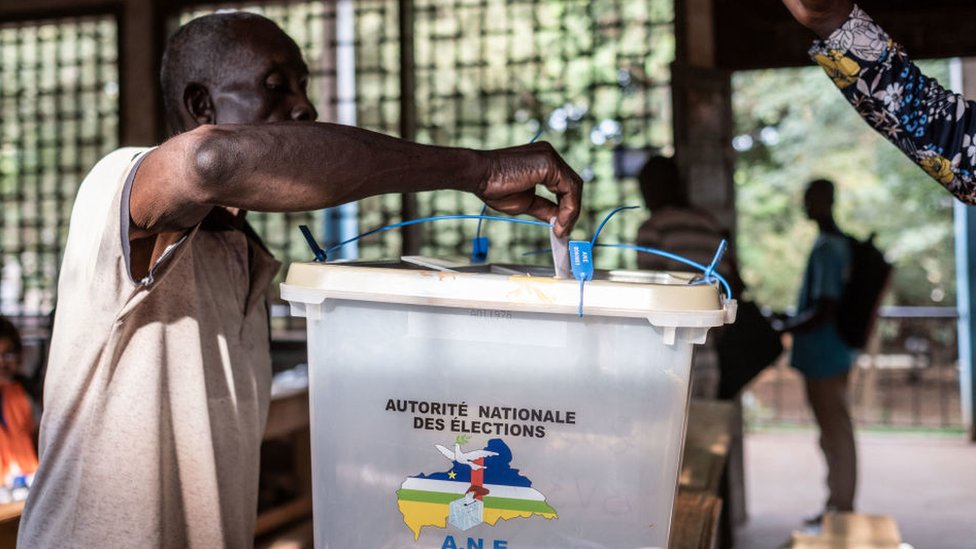
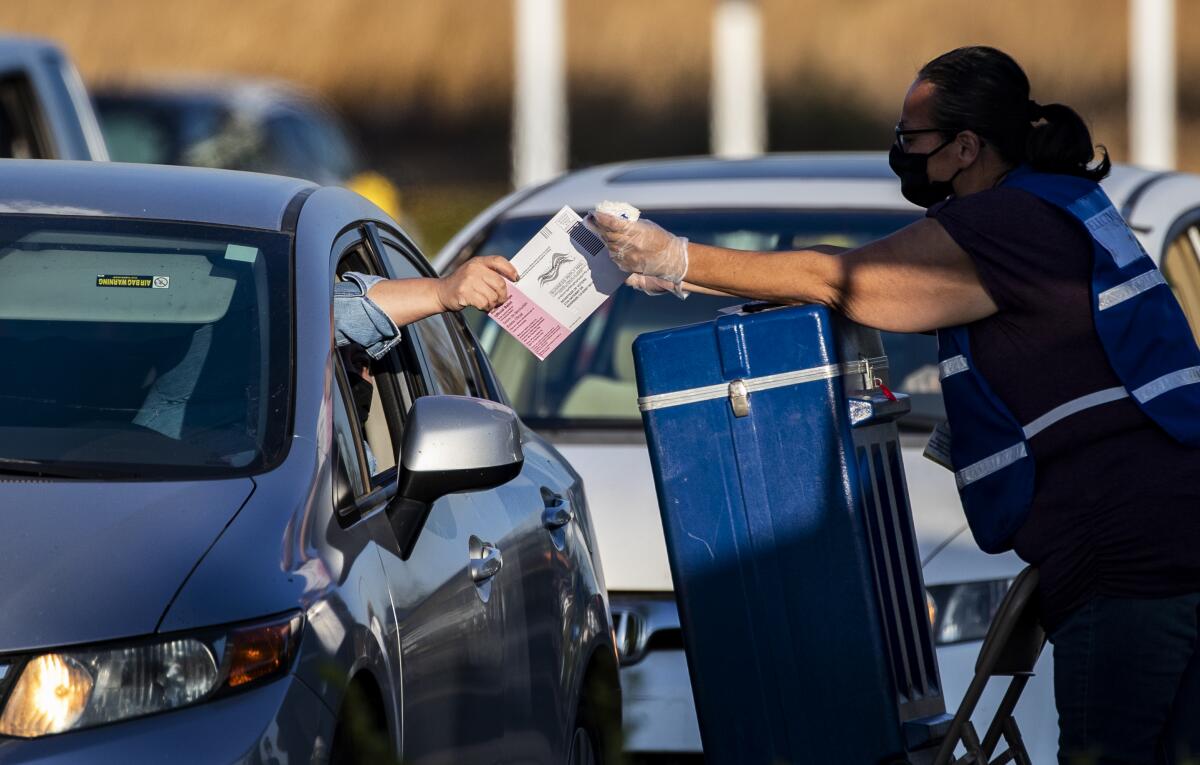
Conducting an election in CAR presents immense logistical challenges. Poor infrastructure, insecurity, and limited administrative capacity complicate voter registration and ballot distribution. Ensuring that polling stations are accessible and secure is a major undertaking.
Authorities, with support from international partners, have pledged to improve transparency and credibility. Observers stress that trust in the process is just as important as the outcome. Without confidence in results, election stakes Africa analysts warn that disputed outcomes could trigger renewed unrest.
Media Access and Information Gaps
Access to information varies widely across the country. Urban areas benefit from greater media coverage, while rural communities often rely on informal networks for news. This uneven access affects voter awareness and participation.
Civil society organizations have attempted to fill the gap through voter education campaigns and community outreach. Their efforts aim to encourage peaceful participation and reduce misinformation, which can fuel tensions during sensitive electoral periods.
Regional Implications Beyond CAR
The Central African Republic is surrounded by countries facing their own security challenges. Instability in CAR can spill across borders through refugee movements, arms trafficking, and the spread of armed groups. A credible election could contribute to regional stability, while renewed violence could exacerbate existing tensions.
Across the continent, election stakes Africa observers view the CAR vote as part of a broader pattern of elections testing democratic resilience in fragile environments. The outcome will influence perceptions of whether elections can serve as effective tools for conflict resolution.
Economic Challenges Facing the Next Government
Whoever wins the election will inherit an economy under severe strain. Limited domestic revenue, weak infrastructure, and dependence on aid constrain policy choices. Economic reform will be essential to reducing poverty and preventing future conflict.
Voters increasingly associate economic opportunity with political stability. Leaders who fail to deliver improvements in living standards risk losing legitimacy quickly, regardless of how they came to power.
Youth and Civil Society Engagement
Election stakes Africa are closely tied to the role of young people, who make up a large share of the population and are increasingly vocal about their frustrations. Many feel excluded from political decision making and remain skeptical of traditional elites, while civil society organizations continue to push for accountability, inclusion, and peaceful political engagement.
Their growing participation offers hope for strengthening democratic norms, but it also exposes generational divides that cannot be ignored. How the next government chooses to engage youth and civil society will play a decisive role in shaping long term stability and public trust.
Risks of Post Election Violence
Election stakes Africa highlight the inherent risks elections pose in fragile states, where armed groups may exploit uncertainty and political rivals could mobilize supporters if results are contested. Managing public expectations and maintaining transparent communication will be critical to preventing unrest.
Analytical frameworks stress that avoiding violence requires early preparation, credible institutions, and sustained dialogue among political leaders, security forces, and local communities.
The International Community After the Vote
Election stakes Africa will be heavily influenced by the international response following the vote, as diplomatic recognition, aid commitments, and security assistance shape the new government’s ability to govern effectively.
Observers emphasize that external support must align with inclusive governance and long term reform rather than prioritizing short term stability, a balance that remains one of the most difficult challenges facing fragile states.
Long Term Prospects for Stability
Election stakes Africa show that the vote alone cannot resolve CAR’s deep structural problems, but a credible process can strengthen legitimacy and create space for dialogue. Long term stability will depend on governance reform, sustained economic development, and gradual transformation of the security sector.
The decisions made during this electoral period will shape the country’s direction well beyond election day, influencing political stability, public trust, and prospects for lasting peace in the years ahead.
Lessons for Democratic Transitions in Africa
Election stakes Africa reveal how CAR’s experience offers broader lessons for the continent. Elections can only succeed when they are supported by credible institutions, reliable security, and public trust. Without these foundations, ballots risk becoming flash-points for conflict rather than pathways to resolution.
Across Africa, policymakers and observers continue to grapple with how best to support democratic processes in fragile environments without undermining national sovereignty or creating long term dependency on external actors.
The Central African Republic election stands as a defining moment for a nation seeking a way out of prolonged instability. Citizens are making choices that will shape governance, security, and international relationships for years to come.
The CAR vote underscores both the promise and the limits of democratic processes in fragile states, with the outcome determining not only who governs, but whether elections can genuinely serve as credible routes toward peace, legitimacy, and lasting stability.