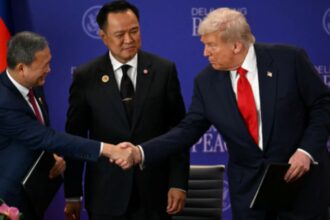
Trump foreign policy has returned to the center of global debate as tensions rise between Israel and Iran and disagreements emerge among key allies over how far military action should go. Israeli Prime Minister Benjamin Netanyahu has pushed publicly and privately for expanded strikes against Iranian targets, arguing that decisive action is necessary to protect Israel’s long term security. At the same time, former United States President Donald Trump has emphasized restraint, economic leverage, and strategic recalibration rather than deeper military entanglement.
The divide highlights a broader philosophical clash over the role of force in international relations. While both leaders share concerns about Iran’s regional influence, their approaches differ sharply in how risk, cost, and long term consequences are weighed.
Netanyahu’s Case for Stronger Military Action
Netanyahu has long framed Iran as the central strategic threat facing Israel. He points to Tehran’s missile development, support for regional proxy groups, and nuclear ambitions as evidence that delay only increases danger. In his view, limited responses embolden adversaries rather than deter them.
Israeli officials argue that Iran’s growing reach across the Middle East requires a firm response that demonstrates resolve. Netanyahu’s position is rooted in Israel’s security doctrine, which prioritizes preemptive capability and deterrence through strength. Supporters of this approach believe that credible military pressure is the only way to alter Iran’s calculations.
Trump’s Emphasis on Restraint and Leverage
In contrast, Trump’s approach has consistently prioritized economic pressure and negotiation over sustained military campaigns. While he imposed sweeping sanctions on Iran during his presidency, he also expressed skepticism toward open ended conflicts that lack clear exit strategies.
From this perspective, Trump foreign policy seeks to avoid costly wars while still maintaining leverage through economic and diplomatic tools. Trump has argued that military escalation often creates new problems without resolving underlying disputes, leaving the United States bearing long term burdens.
Competing Views on Deterrence
The disagreement between Netanyahu and Trump reflects a deeper debate about deterrence in a high risk environment. One side believes that decisive force prevents future conflict by eliminating threats early. The other contends that escalation increases instability and reduces room for diplomacy.
Analysts note that Trump foreign policy places greater emphasis on transactional outcomes and measurable gains, while Netanyahu’s approach prioritizes strategic dominance even at the risk of broader confrontation.

Iran’s Role in the Regional Equation
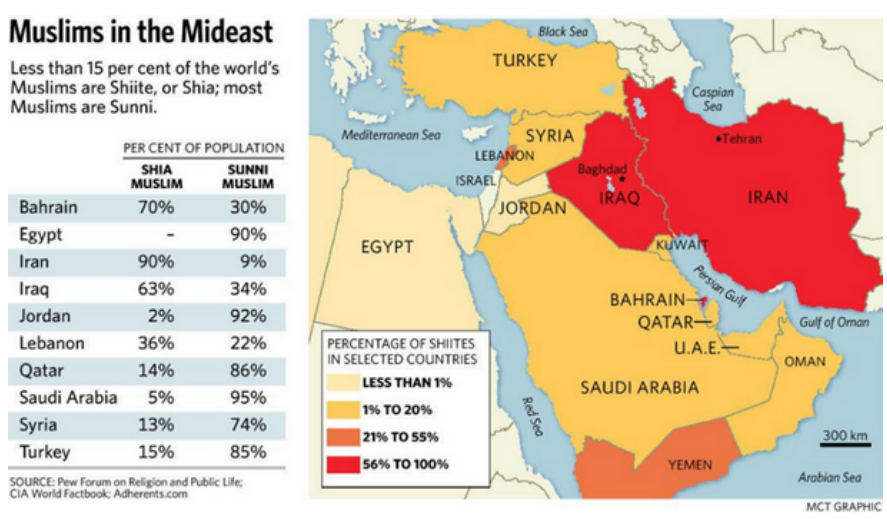
Iran remains a central factor in this dispute. Tehran portrays itself as resisting external aggression and expanding influence through alliances rather than direct confrontation. Its leadership argues that Israeli and Western pressure justifies defensive measures.
This narrative complicates decision making for global powers. Strikes against Iran risk provoking responses across multiple theaters, potentially drawing in regional actors and destabilizing key trade and energy routes.
Western Allies Caught Between Strategies
European governments and other Western allies find themselves navigating between competing priorities. Many acknowledge Israel’s security concerns but worry about the economic and humanitarian consequences of escalation.
For these allies, Trump foreign policy represents a potential shift away from military first solutions toward containment and negotiation. Whether that shift would stabilize the region or embolden adversaries remains a subject of intense debate.
Military Capability Versus Political Cost
Modern military capabilities allow for precise strikes with reduced immediate collateral damage. However, political costs often extend far beyond the battlefield. Each escalation raises the risk of miscalculation, retaliation, and long term instability.
Supporters of restraint argue that Trump foreign policy recognizes these risks by seeking to limit military commitments while preserving influence through economic power and diplomacy.
Information Warfare and Public Messaging
Public statements by leaders play a crucial role in shaping expectations. Netanyahu’s rhetoric emphasizes urgency and existential threat, reinforcing domestic support for decisive action. Trump’s messaging highlights cost control, national interest, and skepticism toward endless conflict.
These narratives influence not only voters but also markets, allies, and adversaries. The framing of Trump foreign policy as either pragmatic or disengaged has significant implications for how American leadership is perceived globally.
Economic Stakes and Global Impact
Escalation in the Middle East has far reaching economic consequences. Energy markets, shipping lanes, and investor confidence are all sensitive to regional instability. A wider conflict involving Iran could disrupt global supply chains and drive up costs worldwide.
Trump’s focus on economic outcomes reflects concerns that military action could undermine global growth and domestic prosperity. Netanyahu’s emphasis on security reflects fears that delayed action could lead to greater long term costs.
Lessons From Past Conflicts
Historical examples inform both sides of the debate. Proponents of military action cite moments when decisive force prevented greater threats. Advocates of restraint point to conflicts that spiraled despite initial confidence in limited intervention.
Within this context, Trump foreign policy draws lessons from prolonged wars that drained resources without delivering clear victories, reinforcing caution toward new military commitments.
Diplomatic Options and Their Limits
Diplomacy offers pathways to de escalation but often requires patience and compromise. Sanctions, negotiations, and international pressure can constrain adversaries, though results are rarely immediate.
Critics argue that diplomacy without credible force lacks teeth. Supporters counter that diplomacy backed by economic leverage and clear red lines can achieve stability without war. This balance lies at the heart of Trump foreign policy thinking.
The Risk of Miscalculation
In a region where multiple actors operate in close proximity, the margin for error is thin. A single strike or misinterpreted signal can trigger cascading responses.
Restraint advocates warn that escalation dynamics are difficult to control once set in motion. They argue that Trump foreign policy seeks to minimize these risks by prioritizing control over confrontation.
What Comes Next for US Middle East Policy
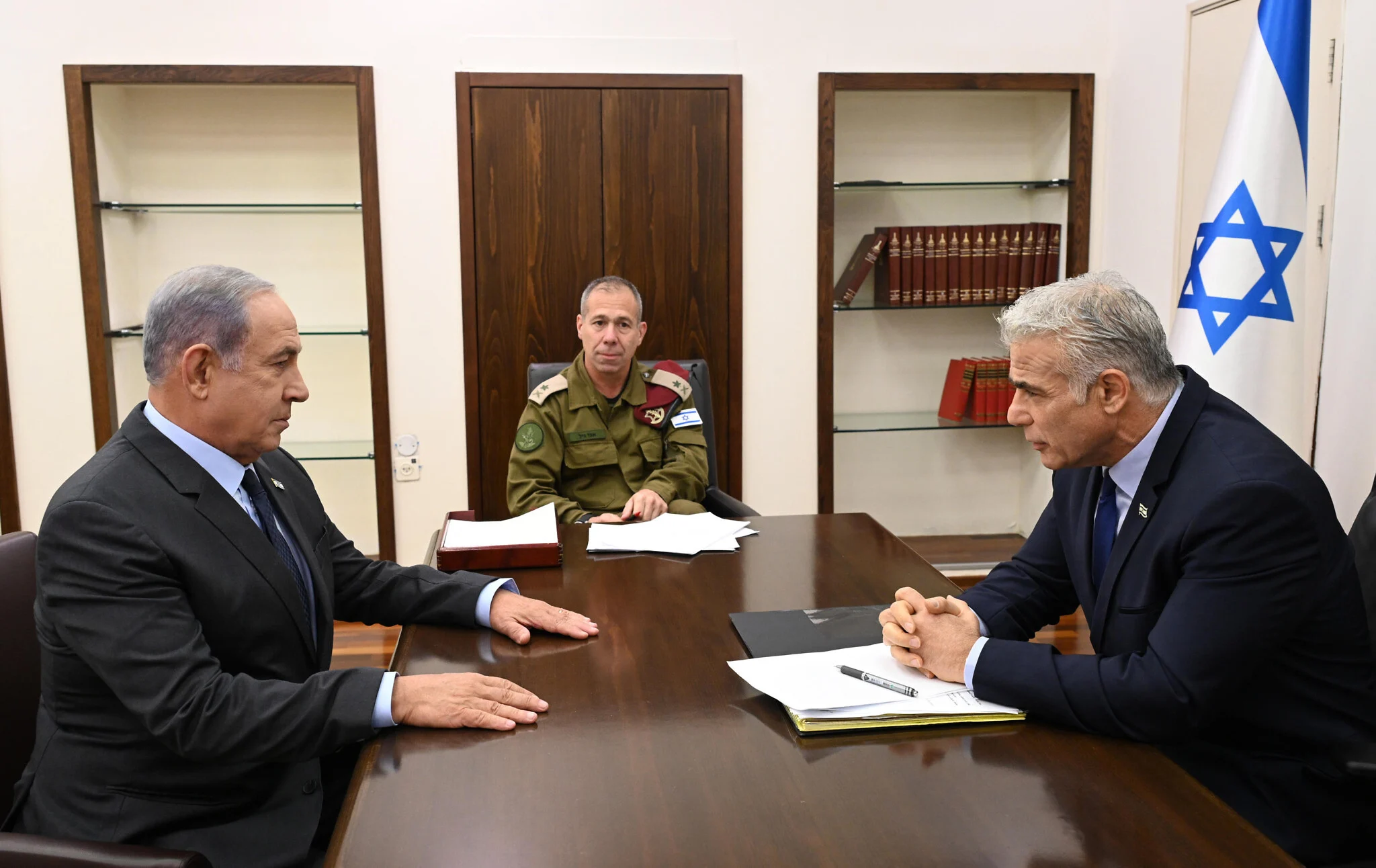
The clash between Netanyahu’s push for strikes and Trump’s priorities reflects unresolved questions about America’s role in the region. Should the United States act as an enforcer, a mediator, or a strategic balancer?
As political dynamics evolve, Trump foreign policy will remain a reference point in debates over military engagement, alliance management, and global leadership.
The growing divide between Netanyahu’s call for expanded action against Iran and Trump’s emphasis on restraint underscores a fundamental disagreement over how power should be exercised in a volatile world. Security concerns, economic consequences, and diplomatic credibility all intersect in this debate.
As global attention remains fixed on the Middle East, the principles underlying Trump foreign policy continue to shape discussions about escalation, deterrence, and the future of international order. The choices made now will influence not only regional stability but the broader direction of global security for years to come.