The early morning calm of a rural community was shattered in seconds when a powerful explosion tore through homes and farmland. Residents say the blast came without warning, leaving families scrambling for safety amid smoke and debris. Survivors of the Jabo village bombing describe confusion, fear, and disbelief as their village was transformed into a scene of destruction. What followed was not only physical damage but lasting emotional trauma that continues to shape daily life.
This article documents firsthand accounts from villagers who lived through the attack, offering a clear picture of the human cost of modern warfare on civilians.
A Peaceful Village Before the Strike
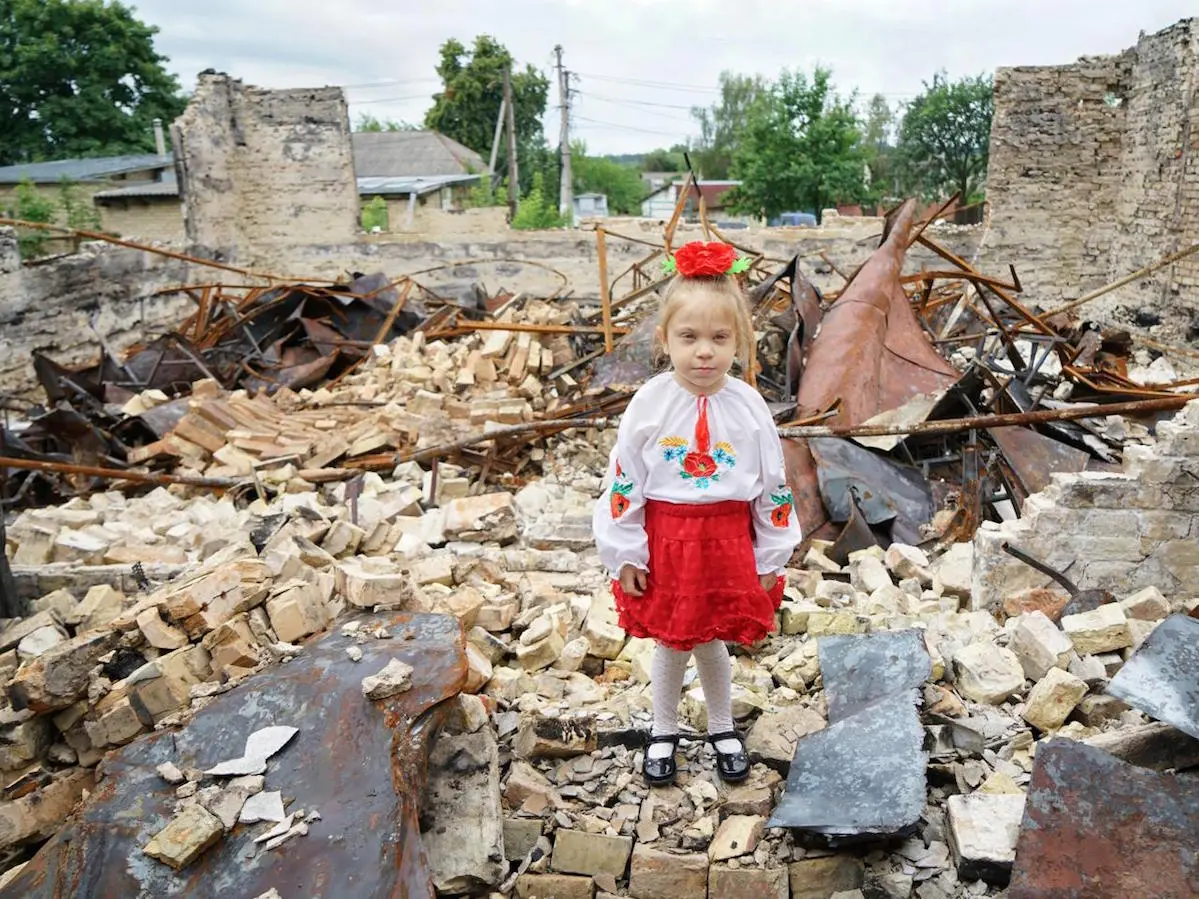
Before the explosion, Jabo village was a quiet agricultural settlement. Families depended on farming, livestock, and small trade. Neighbors shared resources and children moved freely between homes. There were no military installations nearby and no indication that violence was imminent.
Residents say the shock of the Jabo village bombing came precisely because daily life had been so ordinary. The sense of safety built over generations vanished in a single moment.
The Moment the Bomb Fell
Witnesses recall a sudden roar followed by a flash of light. Seconds later, the bomb hit the ground and burst into many pieces, sending metal fragments in every direction. Houses collapsed almost instantly. Dust filled the air, making it difficult to breathe or see.
Several villagers said they were knocked to the ground by the force of the explosion. Others described running toward the screams of family members trapped under rubble. For those present, the Jabo village bombing felt both instantaneous and endless.
Chaos and Fear in the Immediate Aftermath
In the moments following the blast, panic spread quickly. Parents searched desperately for children, and neighbors called out names through the smoke. With no emergency services nearby, survivors relied on one another for help.
Many fled into nearby fields, unsure whether another strike would follow. The fear triggered by the Jabo village bombing forced families to abandon homes without knowing if they would ever return.
Civilian Injuries and Loss of Life
The explosion caused serious injuries, particularly among the elderly and children. Broken bones, burns, and shrapnel wounds were common. With limited medical supplies, villagers improvised bandages using cloth and water.
Several residents later died from injuries that could not be treated in time. For survivors, the Jabo village bombing is remembered not only for destruction but for the lives that were forever changed or lost.
Homes Reduced to Rubble
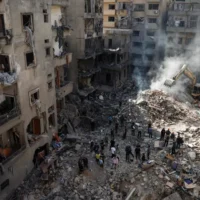
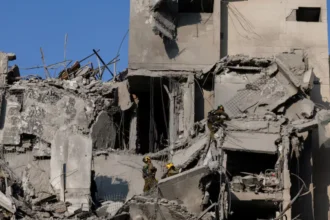
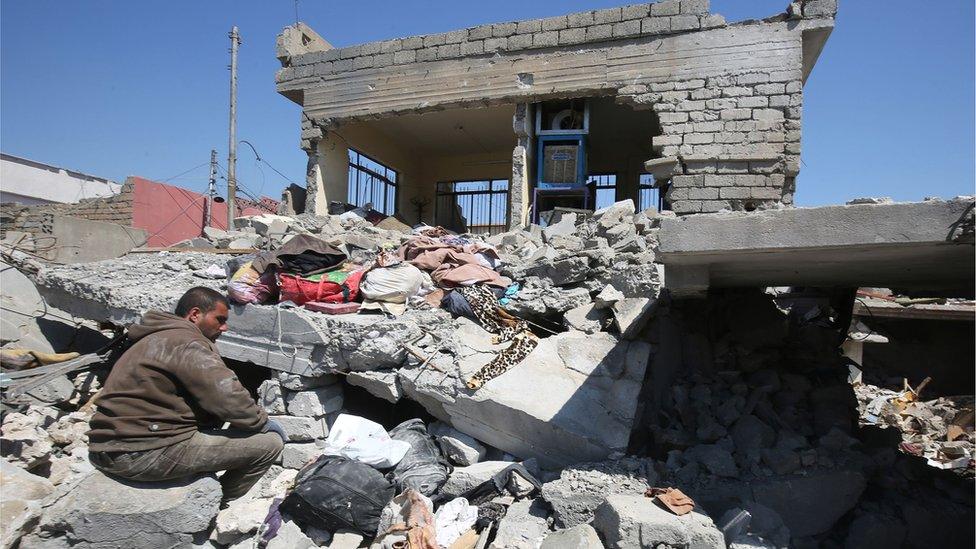
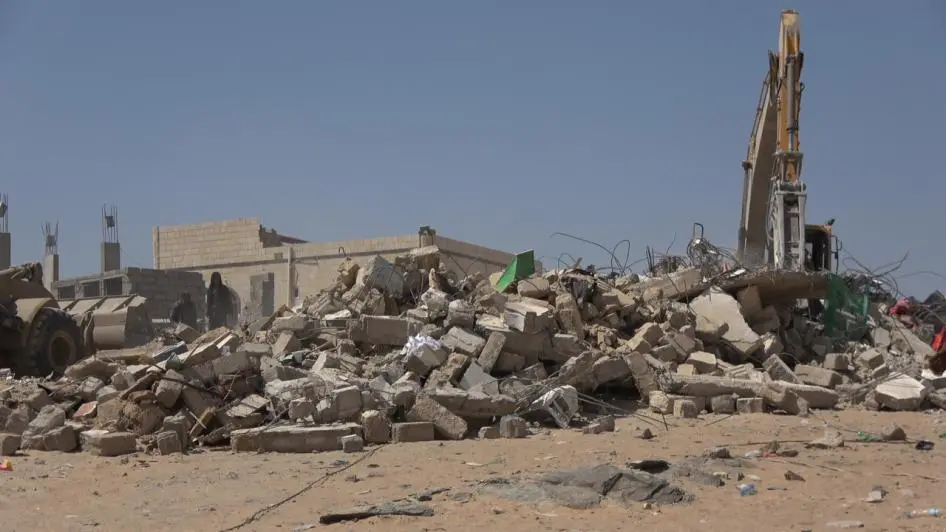
Entire sections of the village were destroyed. Roofs collapsed, walls crumbled, and personal belongings were buried under debris. Food stores meant to last through the season were lost, leaving families facing immediate shortages.
The physical damage caused by the Jabo village bombing made it impossible for many residents to remain in their homes, forcing prolonged displacement.
Loss of Livelihoods
Beyond housing, the bombing devastated the village economy. Livestock were killed, farmland was damaged, and tools essential for farming were destroyed. For families already living modestly, these losses were catastrophic.
The economic consequences of the Jabo village bombing continue to affect residents who struggle to rebuild without sufficient assistance.
Voices From the Survivors
Survivors consistently describe feelings of helplessness and fear. Many say they still hear the sound of the explosion in their dreams. Mothers recount shielding children with their bodies, while elderly residents recall being unable to move quickly enough to escape falling debris.
These testimonies humanize the Jabo village bombing, reminding the world that behind every statistic are real people with families and memories.
Displacement and Uncertain Futures
Following the attack, many families fled the village entirely. Some sought refuge with relatives in nearby areas, while others lived in temporary shelters. Those who remained faced unsafe conditions and ongoing fear.
Displacement caused by the Jabo village bombing disrupted education, separated families, and weakened community bonds built over generations.
Impact on Children
Children were among the most affected. Parents report nightmares, fear of loud noises, and changes in behavior. Schools damaged in the blast left many without access to education for months.
The psychological effects of the Jabo village bombing on children raise concerns about long term trauma and lost opportunities for an entire generation.
Community Resilience Amid Trauma
Despite the devastation, residents have shown resilience. Neighbors share food, rebuild shelters together, and care for the injured. Community leaders organize support where possible, even with limited resources.
This resilience stands in contrast to the destruction of the Jabo village bombing, highlighting the strength of civilian communities under extreme pressure.
Calls for Accountability
Villagers continue to ask why their community was targeted and seek acknowledgment of civilian suffering. They call for transparency and accountability, as well as support to rebuild homes and livelihoods.
Events like the Jabo village bombing raise serious questions about civilian protection and the responsibility of those who carry out military operations.
Humanitarian Needs Remain Urgent
Medical care, mental health support, clean water, and reconstruction materials remain critical needs. Aid access has been inconsistent, leaving many families vulnerable long after the initial blast.
Addressing the aftermath of the Jabo village bombing requires sustained humanitarian engagement rather than short term relief.
Limited Media Attention
While the attack briefly appeared in international headlines, coverage quickly faded. Survivors fear their suffering will be forgotten as global attention moves on to other crises.
Eyewitness stories ensure that the reality of the Jabo village bombing is preserved and understood beyond official statements.
Lessons on Civilian Impact
The experience of Jabo village illustrates how modern conflict often affects civilians far removed from decision making. Rural communities lack the infrastructure to respond to sudden violence, making them especially vulnerable.
The legacy of the Jabo village bombing underscores the need for stronger safeguards to protect noncombatants.
The bombing of Jabo village left scars that extend far beyond physical damage. Survivors continue to cope with loss trauma and uncertainty while working to rebuild their lives with limited support.
Listening to those affected by the Jabo village bombing is essential to understanding the true cost of conflict and to preventing similar tragedies in the future.