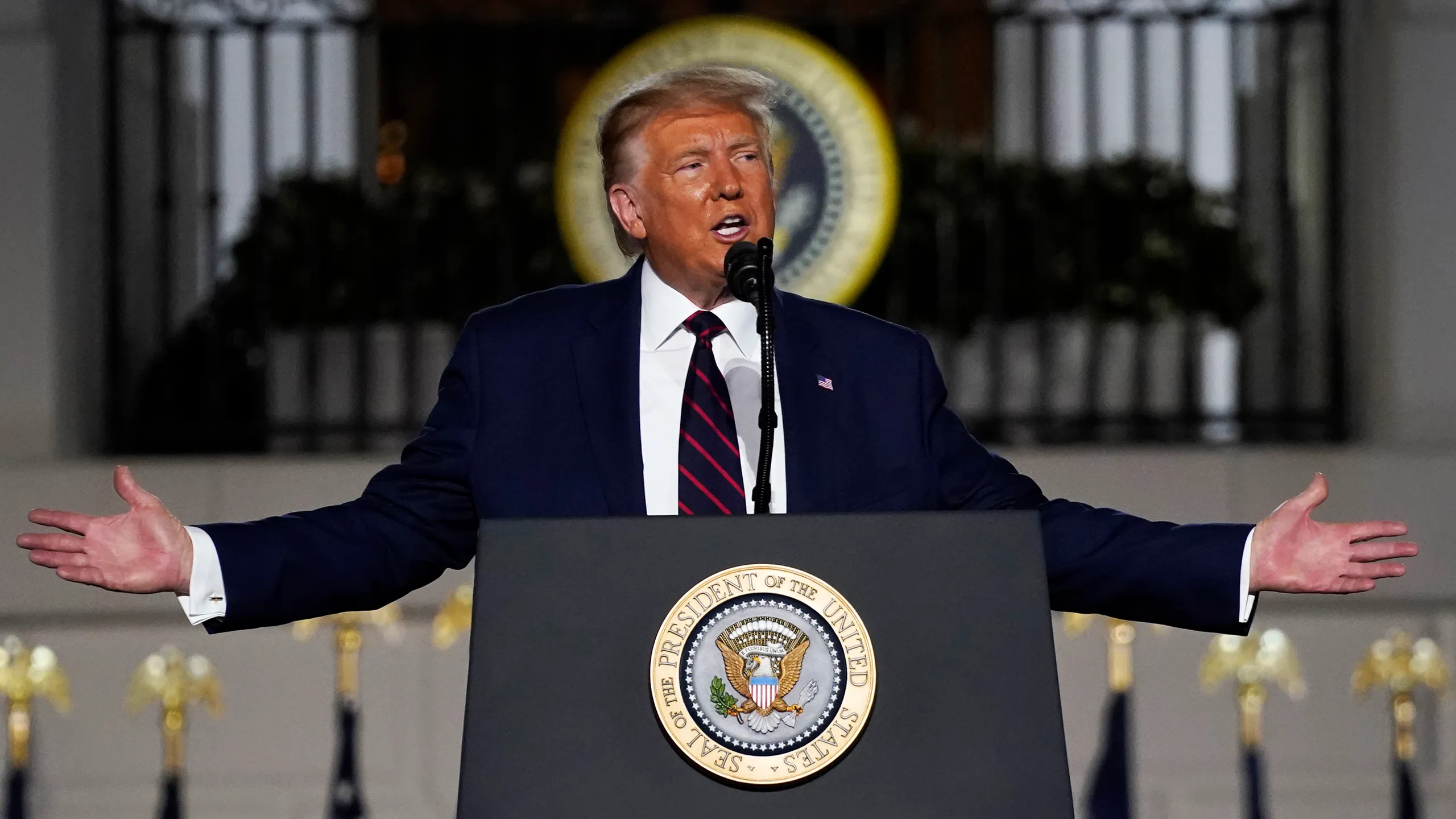
Statements made by Donald Trump following recent military strikes quickly ignited global debate. When Trump warned of a possible slaughter of Christians, the remark spread rapidly across news platforms, social media, and political commentary shows. Supporters viewed the statement as a moral warning meant to defend vulnerable faith communities, while critics argued that the claim overstated the facts and lacked credible evidence.
The controversy highlights a deeper issue in modern geopolitics. Emotional political language often moves faster than verified information. In this case, the phrase Trump warns slaughter of Christians became a headline driver even as available data failed to confirm such an outcome. Understanding what was said, why it resonated, and how it compares with documented realities is essential for responsible public discourse.
The Context Behind the Warning
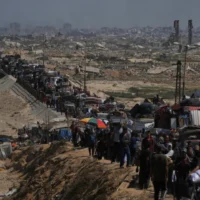
The remarks came amid heightened tensions following targeted airstrikes in a region already marked by long running instability. Civilian fear, infrastructure damage, and displacement were already present realities before the latest military action. Trump framed his statement as a warning that further escalation could place Christian communities in danger.
This framing matters. By linking the strikes directly to a possible slaughter, Trump placed religion at the center of a complex military and political situation. The phrase Trump warns slaughter of Christians implied targeted violence rather than generalized conflict effects, which immediately raised alarms among faith based audiences worldwide.
How Political Language Shapes Perception
Political leaders understand the power of words. Strong language can mobilize support, influence foreign policy debates, and dominate news cycles. Terms like slaughter evoke urgency and moral clarity, even when evidence is incomplete or evolving.
In modern media ecosystems, such language rarely remains contextualized. Short clips and headlines circulate without nuance, reinforcing emotional responses. As a result, many people encountered the claim without access to data that could either support or challenge it.
Examining the Available Data
Independent human rights organizations, regional monitors, and conflict tracking groups quickly reviewed casualty reports following the strikes. Their findings painted a more complex picture than the warning suggested.
Key data points included:
- Civilian casualties occurred but were not verified as religiously targeted
- No confirmed spike in killings of Christians directly tied to the strikes
- Damage affected mixed communities including Muslims, Christians, and others
- Long term persecution patterns remained consistent rather than escalating
These findings do not dismiss the risks faced by Christians in conflict zones. Instead, they indicate that the specific claim implied by Trump warns slaughter of Christians was not supported by verifiable evidence at the time.

The Reality of Christian Persecution Worldwide
Christian persecution is a documented reality in several regions of the world. Churches have been attacked, religious freedoms restricted, and believers displaced or imprisoned. These patterns are real and deserve serious attention.
However, persecution typically follows long term structural, political, or ideological dynamics rather than sudden shifts caused by isolated military actions. Linking a single strike to immediate mass slaughter oversimplifies how religious violence usually unfolds.
Understanding this distinction is critical for accurately assessing risk and responding effectively.Voices From the Ground
Local journalists, humanitarian workers, and religious leaders offered on the ground perspectives following the strikes. Their reports consistently emphasized fear and instability but did not confirm targeted massacres of Christian populations.
Common themes included:
- Anxiety among civilians across religious lines
- Shortages of food, medicine, and electricity
- Damage to residential areas and public buildings
- Calls for de escalation and humanitarian access
These firsthand accounts challenge simplified narratives while still acknowledging genuine suffering.
Media Amplification and Narrative Momentum
Once the phrase entered the news cycle, repetition amplified its impact. Headlines referencing Trump warns slaughter of Christians appeared across platforms, often without accompanying data analysis.
This amplification reflects broader media dynamics:
- Speed prioritized over verification
- Emotion prioritized over context
- Engagement metrics influencing coverage decisions
While some outlets later added nuance, the initial framing had already shaped public perception.
Faith and Foreign Policy Messaging
Religion frequently plays a symbolic role in foreign policy discourse. Leaders invoke faith to frame conflicts as moral struggles, appealing to shared values among domestic audiences.
In this case, emphasizing Christian vulnerability aligned with long standing political narratives about protecting religious freedom abroad. However, such framing can unintentionally marginalize other affected groups and obscure shared civilian suffering.
Responsible messaging requires careful balance between advocacy and accuracy.
The Risk of Overshadowing Other Victims
Conflict rarely targets only one group. When narratives focus narrowly on a single religious community, other victims risk becoming invisible. Civilians of different faiths often face the same threats from bombings, displacement, and infrastructure collapse.
Overuse of claims like Trump warns slaughter of Christians can unintentionally create hierarchies of suffering, undermining universal humanitarian principles.
Why Verification Matters in Global Crises
Verification is not about dismissing concern. It is about ensuring that responses are grounded in reality. Governments, aid agencies, and international organizations rely on accurate information to allocate resources and design interventions.
When claims outpace facts, several risks emerge:
- Misallocation of humanitarian aid
- Heightened sectarian tensions
- Reduced credibility for future warnings
- Public fatigue toward genuine crises
Accuracy strengthens advocacy rather than weakening it.
The Role of Independent Monitoring Organizations
Independent monitoring groups play a critical role in separating rhetoric from reality. By tracking casualties, displacement, and patterns of violence, they provide essential checks on political claims.
In this situation, their assessments indicated that while the security situation was fragile, it did not match the scale implied by the warning. This underscores why policymakers and media outlets must consult multiple sources before drawing conclusions.
Political Incentives and Timing
The timing of the statement also fueled skepticism. High profile warnings often coincide with political moments where attention and influence matter most. Critics argued that the claim served rhetorical purposes more than humanitarian ones.
This does not automatically negate concern for Christians. It does, however, highlight the importance of scrutinizing motivations alongside messages.
Public Reaction and Polarization
Reactions to the warning reflected existing political divides. Supporters praised the focus on religious protection, while critics accused Trump of fear mongering.
Social media intensified polarization, with simplified narratives replacing nuanced discussion. In such environments, phrases like Trump warns slaughter of Christians become symbols rather than statements open to evaluation.
Ethical Responsibility of Leaders
When Trump warns slaughter of Christians, leaders carry an ethical responsibility to speak with care when addressing vulnerable populations. Overstated or unverified claims can create panic, provoke retaliation, and undermine delicate diplomatic efforts.
Ethical leadership in such moments requires careful wording, evidence based claims, and a willingness to update public statements as verified facts emerge.
Ultimately, protecting minorities depends not only on urgency but on public trust, credibility, and responsible communication.

The Broader Impact on International Relations
When Trump warns slaughter of Christians, such claims can strain diplomatic relations, shape military decision making, and directly influence international aid flows. Allies and adversaries alike react to these statements, even when the underlying facts remain disputed or unverified.
This is why accuracy matters not only on moral grounds but also as a strategic necessity in global affairs.
Separating Concern From Confirmation
Concern for Christian safety is legitimate and necessary. Confirmation requires evidence. Blurring these two undermines both advocacy and accountability.
The controversy surrounding Trump warns slaughter of Christians illustrates how easily lines can blur in high tension moments.
Lessons for Media and Audiences
For media organizations, the episode reinforces the need for disciplined reporting. Headlines should reflect verified facts rather than echo rhetoric.
For audiences, it highlights the importance of skepticism and media literacy. Asking what data supports a claim is not indifference; it is civic responsibility.
A More Constructive Path Forward
When Trump warns slaughter of Christians, the most effective response is not heightened rhetoric but sustained international attention, careful diplomacy, and meaningful humanitarian engagement. Protecting religious minorities requires long-term commitment rather than emotionally charged claims that can escalate tensions.
Constructive approaches should focus on practical solutions, including supporting independent investigations, funding humanitarian access for all civilians regardless of faith, pressuring governments to uphold religious freedom laws, and promoting interfaith dialogue within conflict zones.
These measured steps address real and documented risks while avoiding unnecessary escalation and helping safeguard vulnerable communities through cooperation rather than fear.
Final Assessment
The warning captured attention but did not align with available evidence. While Christians face real dangers in parts of the world, the specific implication of imminent mass slaughter following the strikes was not substantiated.
Repeated use of the phrase Trump warns slaughter of Christians demonstrates how rhetoric can overshadow reality in modern political discourse.
Global conflicts demand clarity, restraint, and truth. When leaders speak about vulnerable populations, their words carry weight far beyond headlines. In this case, the data did not confirm the narrative implied by the warning, even as civilian suffering remained undeniable.
Protecting Christians and all civilians requires facts driven responses rather than fear driven claims. Only through accuracy and accountability can humanitarian efforts succeed and public trust be preserved.