The global financial system is undergoing one of the most significant transformations in modern history. Debt levels are expanding, currencies are under pressure, and investor confidence in traditional financial structures is being tested. In this environment, digital assets have moved from the fringe to the forefront of global finance. The crypto market 2026 is increasingly shaped by macroeconomic realities rather than speculation alone, making it a critical area of focus for investors, institutions, and policymakers alike.
Unlike earlier cycles, today’s crypto landscape is deeply intertwined with global liquidity conditions, inflation trends, and structural shifts in capital allocation. Understanding the macro forces behind this evolution provides essential insight into where digital assets may be headed in the coming years.
Global Liquidity and the Legacy of Money Expansion
One of the most powerful forces shaping digital assets is the massive expansion of global liquidity over the past decade. Central banks around the world relied heavily on stimulus programs to stabilize economies during repeated crises. These policies dramatically increased the supply of money in circulation, reshaping asset prices across markets.
As excess liquidity continues to flow through the financial system, investors seek assets that offer scarcity and long term value preservation. This environment directly supports the crypto market 2026, as digital assets are increasingly viewed as alternatives to traditional stores of value. The persistence of high liquidity levels remains a fundamental tailwind for continued adoption and price support.
Inflation and the Search for Value Protection
Inflation has altered how individuals and institutions think about wealth preservation. Rising consumer prices and declining purchasing power have exposed vulnerabilities in fiat currencies, prompting a reassessment of long held assumptions. Investors are no longer satisfied with nominal returns that fail to outpace inflation.
Digital assets have entered this conversation as potential hedges against monetary debasement. While volatility remains part of the landscape, the crypto market 2026 benefits from growing recognition that traditional financial instruments may no longer offer sufficient protection in an inflationary world. This shift in mindset has broadened participation well beyond early adopters.
Interest Rates and Capital Allocation Shifts
Interest rate policy remains a central driver of global markets. When borrowing costs rise, capital tends to move toward safer assets. When rates stabilize or decline, risk appetite returns. Market participants are closely watching policy signals for clues about future direction.
The crypto market 2026 is positioned to benefit from any sustained period of monetary easing or stability. Even modest changes in rate expectations can trigger meaningful capital rotation toward growth oriented assets. Digital assets increasingly compete for capital alongside equities and emerging technologies rather than existing in isolation.
Institutional Adoption Changes Market Dynamics
One of the most defining developments in recent years has been the entry of institutional capital. Large asset managers, hedge funds, corporations, and financial institutions now participate directly or indirectly in digital asset markets. This participation marks a structural change rather than a temporary trend.
Institutional involvement brings deeper liquidity, improved risk management, and greater credibility. The crypto market 2026 reflects this maturity, as professional investors apply long term strategies rather than short term speculation. As infrastructure continues to improve, institutional capital is expected to remain a cornerstone of market stability and growth.
Regulation as a Foundation for Growth
Early narratives framed regulation as a threat to digital assets. In reality, clear and consistent regulatory frameworks have become catalysts for broader adoption. Rules provide clarity, reduce uncertainty, and enable institutions to operate with confidence.
For the crypto market 2026, regulation is less about restriction and more about structure. Jurisdictions that establish transparent oversight attract innovation and investment. This evolving regulatory environment supports sustainable growth and helps integrate digital assets into the broader financial ecosystem.
Technology and Expanding Real World Use Cases
Technological progress remains essential to long term adoption. Blockchain networks have advanced significantly in terms of speed, scalability, and security. These improvements have enabled practical applications beyond simple asset trading.
Payments, decentralized finance, asset tokenization, and digital identity solutions are expanding rapidly. This growing utility strengthens the crypto market 2026 by anchoring value to real world economic activity. As digital assets become tools rather than experiments, adoption becomes more resilient and less dependent on speculation.
Geopolitical Uncertainty and Financial Fragmentation
Geopolitical risk continues to influence global capital flows. Sanctions, trade disputes, and regional conflicts have highlighted vulnerabilities in centralized financial systems. In response, interest in decentralized alternatives has increased.
The crypto market 2026 benefits from this demand for neutral and borderless financial infrastructure. Digital assets offer mechanisms for value transfer and storage that operate independently of national financial systems. As geopolitical uncertainty persists, this use case is likely to remain relevant.
Market Cycles and Investor Maturity
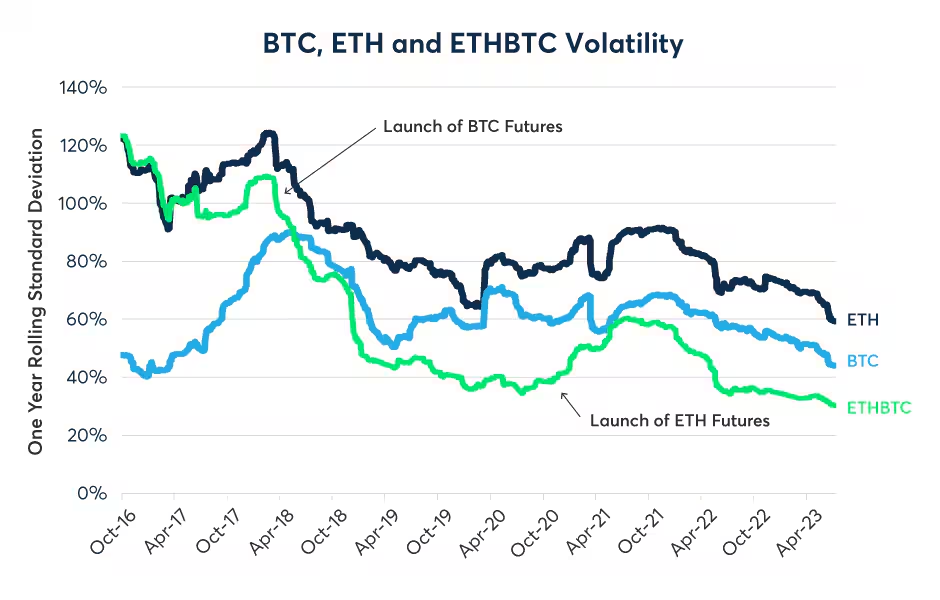
While volatility remains inherent to digital assets, each market cycle has demonstrated increased resilience. Long term holders, improved infrastructure, and greater transparency have reduced extreme market behavior.
Investor education has improved significantly, leading to more disciplined participation. The crypto market 2026 reflects this maturity, with price movements increasingly influenced by macroeconomic conditions rather than hype driven narratives. Cycles remain, but their impact is evolving.
Retail Participation and Global Accessibility
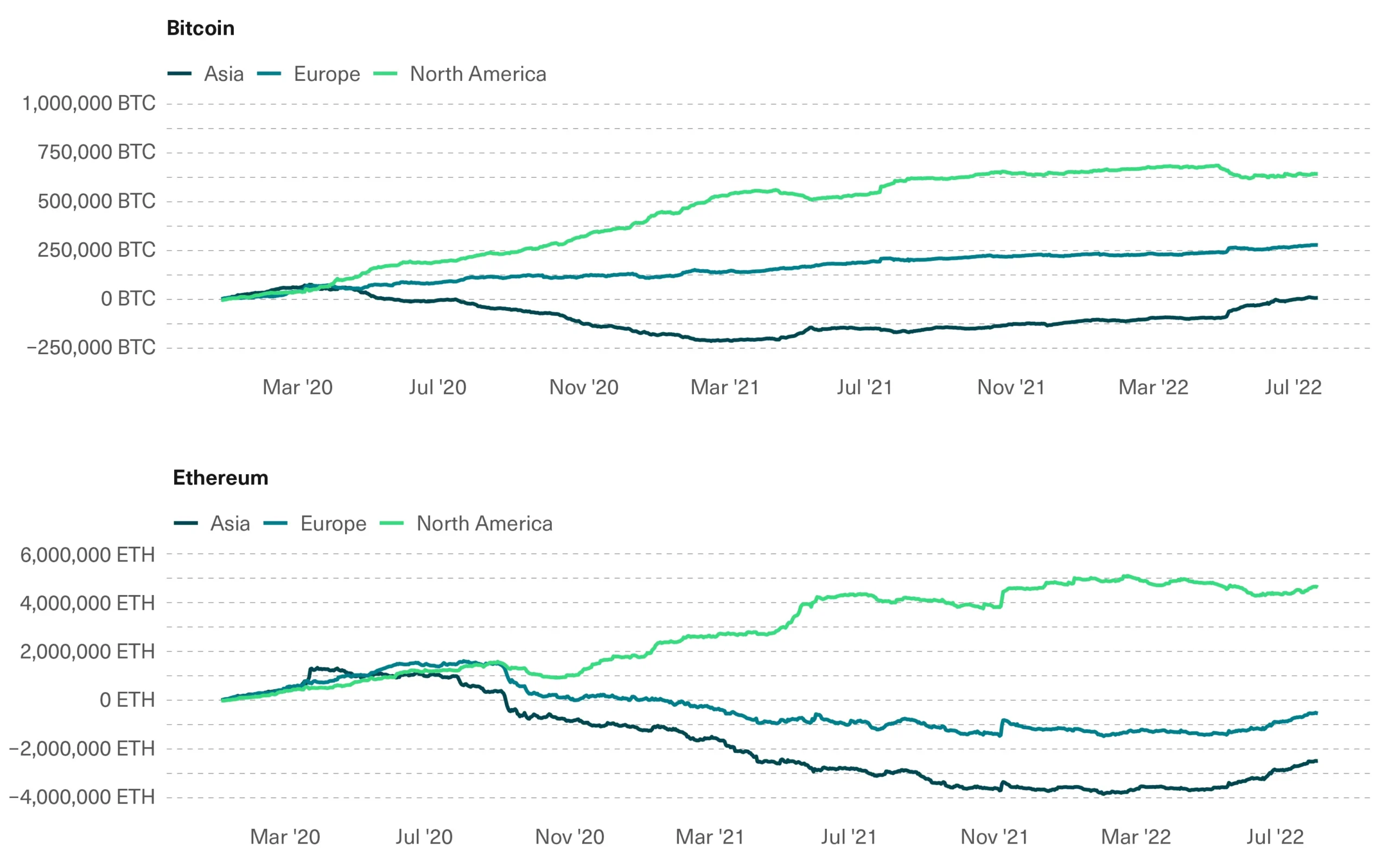
Retail investors continue to play a vital role in adoption. Mobile platforms, improved user interfaces, and global connectivity have lowered barriers to entry. In many regions, digital assets provide financial access where traditional systems fall short.
This global participation strengthens the crypto market 2026 by diversifying demand and reducing reliance on any single region or demographic. Adoption trends in emerging markets are becoming as influential as those in developed economies.
Long Term Outlook for Digital Assets
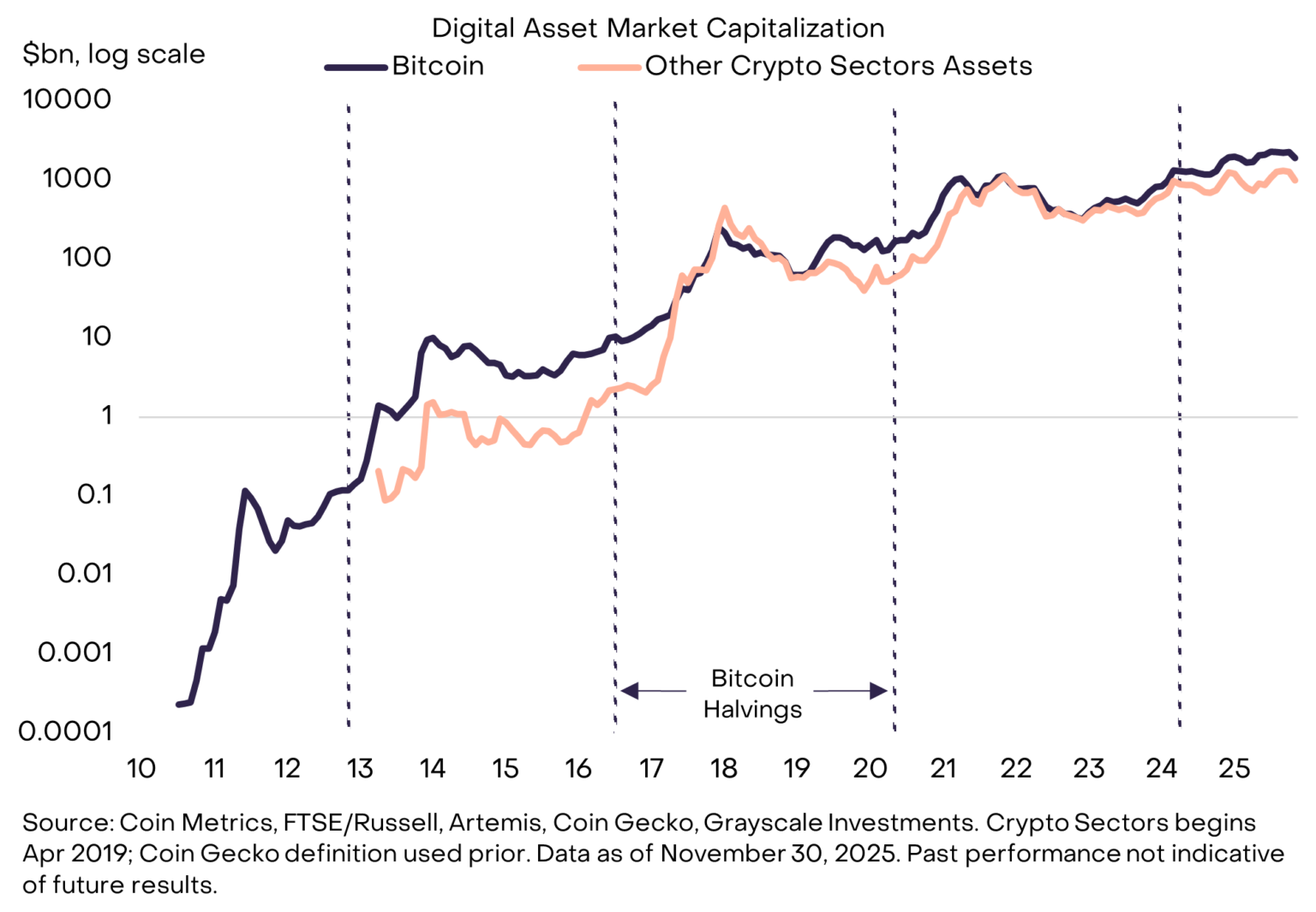
Looking ahead, the alignment of macroeconomic pressures, institutional adoption, regulatory clarity, and technological progress creates a durable foundation. The crypto market 2026 is increasingly shaped by the same forces that govern traditional financial markets.
Volatility will continue, but long term direction is guided by structural trends rather than speculative cycles alone. Digital assets are becoming integrated components of global finance rather than alternatives operating on the margins.
The evolution of digital assets reflects broader changes in the global economy. The crypto market 2026 stands at the intersection of monetary policy, technological innovation, and shifting investor priorities. Money expansion, inflation concerns, institutional participation, and geopolitical risk all contribute to its growing relevance.
As financial systems adapt to new realities, digital assets are positioned to play a lasting role. Understanding these macro forces is essential for anyone seeking to navigate the future of global markets with clarity and confidence.