Trump Immigration Policy Under Scrutiny
National tragedies often bring moments of collective grief, reflection, and a demand for responsible leadership. In recent years, however, critics argue that Trump immigration policy has repeatedly been reshaped during such moments, turning public sorrow into justification for sweeping political action. This approach has intensified debate over whether crisis driven policymaking strengthens national security or undermines the principles of fairness and legality that underpin the US immigration system.
At the center of this debate is Donald Trump, whose responses to high profile incidents have frequently included renewed calls for immigration restrictions. While supporters frame these moves as decisive leadership, opponents argue they blur the line between public safety and political opportunism, especially when legal immigrants are caught in the crossfire.
How Tragedy Shapes Immigration Narratives
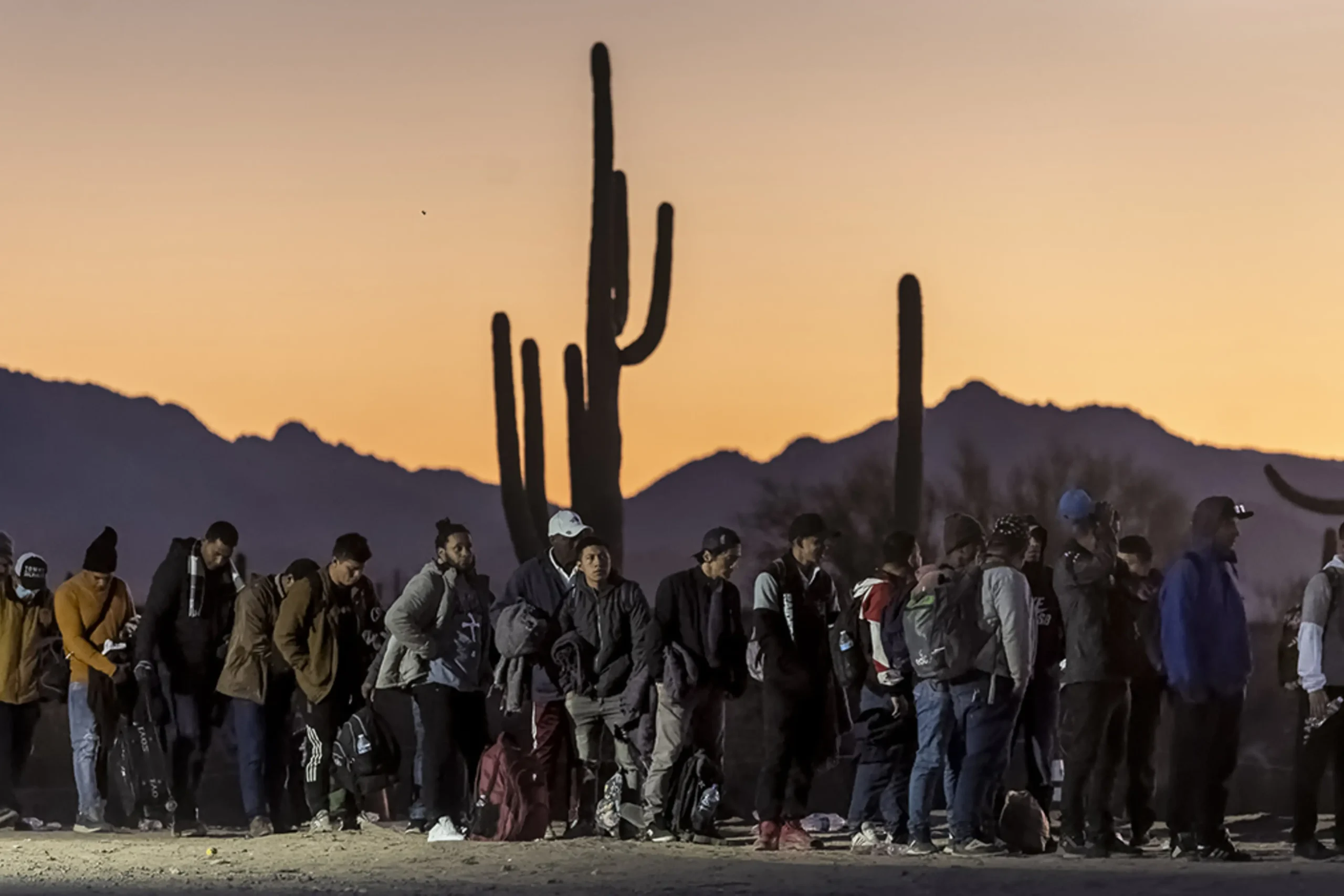
Moments of crisis naturally heighten public fear and demand swift answers. Critics say Trump immigration policy often leverages this emotional climate, connecting isolated acts of violence to broader immigration systems without clear evidence that those systems failed.
This framing simplifies complex realities. Immigration pathways involve different visa categories, background checks, and legal standards, yet tragedy driven rhetoric can collapse these distinctions into a single narrative of risk. Over time, this erodes public understanding and fuels suspicion toward lawful immigrants who have complied with every requirement.
Legal Immigration Versus Public Perception
Legal immigrants enter the United States through established processes that include extensive vetting, documentation, and oversight. Despite this, opponents argue Trump immigration policy rhetoric has increasingly portrayed lawful pathways as vulnerabilities rather than regulated systems.
When public perception shifts in this way, the consequences are profound. Families who arrived legally find themselves questioned not for their actions, but for their status. This dynamic creates a chilling effect, discouraging integration and civic participation while reinforcing stereotypes that do not align with reality.
Impact on Families and Communities
For immigrant families, policy debates are deeply personal. Visas determine whether parents can work, students can study, and families can remain together. Each time Trump immigration policy is reexamined after a tragedy, uncertainty spreads quickly through communities that depend on stability to plan their lives.
Community organizations report rising anxiety even among permanent residents and long term visa holders. Parents worry about sudden rule changes, while young people fear losing educational opportunities they worked years to earn. This climate of uncertainty weakens trust between communities and government institutions.
Economic Contributions Often Overlooked
Legal immigrants are integral to the US economy. They fill critical roles in healthcare, technology, construction, education, and entrepreneurship. Economists warn that instability linked to Trump immigration policy can disrupt labor markets and slow economic growth.
Businesses rely on predictable immigration systems to attract talent and plan investments. When lawful immigration is portrayed as a liability, companies face uncertainty that can lead to delayed expansion, reduced hiring, and loss of global competitiveness. These economic consequences ripple far beyond immigration debates.
Civil Rights and Constitutional Concerns
Civil rights advocates argue that Trump immigration policy responses to tragedy often raise constitutional questions. Broad restrictions tied to nationality or visa category risk conflicting with principles of equal protection and due process.
Courts have repeatedly played a role in reviewing executive actions, emphasizing that policy must be evidence based and proportionate. Legal challenges create prolonged uncertainty, leaving families and employers in limbo while cases move through the judicial system.
Media Influence and Political Messaging
Media coverage amplifies political messaging, especially during crises. When tragedy dominates headlines, Trump immigration policy narratives tied to fear can overshadow nuanced analysis of facts and law.
Sound bites and emotional framing travel faster than detailed explanations, shaping public opinion before careful evaluation occurs. This environment rewards dramatic claims over measured policy discussion, making it harder for balanced perspectives to gain attention.
Historical Lessons From Crisis Driven Policy
History shows that policies enacted during periods of fear are often revisited later. Critics point out that Trump immigration policy decisions made in the wake of tragedy may eventually be reversed, but not before causing lasting harm to families and communities.
Past examples illustrate that national security and civil liberties are not mutually exclusive. Effective policy balances protection with restraint, ensuring that temporary fear does not lead to permanent injustice.
Political Strategy or Governance Challenge
Supporters argue that strong responses demonstrate resolve, while opponents see exploitation of grief. The central debate around Trump immigration policy is whether reacting to tragedy with sweeping measures improves safety or simply redirects public anger.
Governance built on reaction rather than analysis risks repeating cycles of policy instability. Addressing root causes such as enforcement gaps, mental health, or access to weapons requires more effort than symbolic restrictions on lawful immigrants.
Role of Congress and the Courts
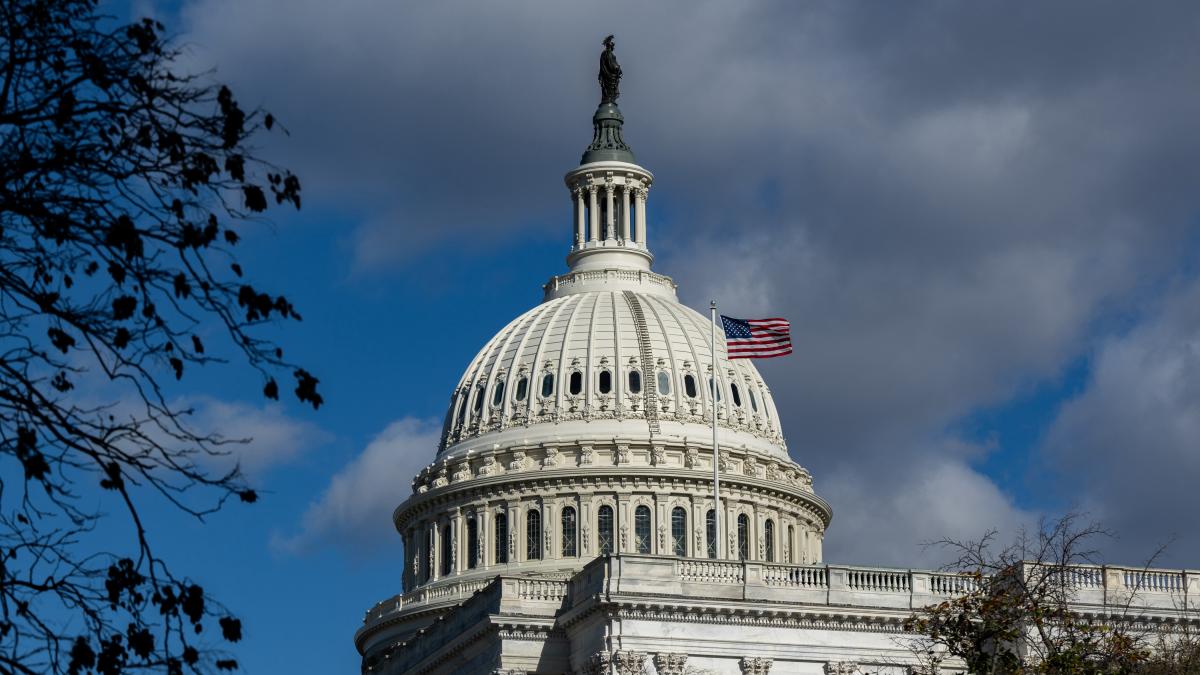
Congress and the judiciary remain essential checks on executive power. When Trump immigration policy proposals emerge after tragedy, lawmakers must decide whether to reinforce or restrain rapid changes.
Court rulings have frequently underscored the need for clear evidence and narrow tailoring, shaping how far executive authority can extend. These institutional guardrails play a crucial role in protecting constitutional norms during emotionally charged periods.
Public Trust and Long Term Stability
Public trust depends on consistency and transparency. When policy shifts appear reactive, confidence in government erodes. Critics argue Trump immigration policy shaped by tragedy risks undermining faith in institutions meant to operate above emotion.
Long term stability requires predictable rules that respect the law and human dignity. Without that foundation, immigration debates become cycles of fear rather than opportunities for reform.
Looking Ahead
As future crises inevitably occur, national leadership will again be tested. Whether Trump immigration policy continues to evolve through tragedy driven narratives remains a defining question for voters and policymakers.
Sustainable immigration reform demands clarity, fairness, and evidence based decision making. Fear may mobilize attention, but it rarely produces durable solutions.
Immigration policy sits at the intersection of law, economics, and human lives. Critics maintain that Trump immigration policy too often uses tragedy as justification for broad actions that disproportionately affect legal immigrants.
The challenge moving forward is to respond to national sorrow with unity and reason rather than division and blame. Only then can policy protect public safety while honoring the principles that define the nation.