Moscow Faces Stunning Setback in Ukraine
The dramatic shift in control over the city of Kupiansk has sent shockwaves through the geopolitical landscape, directly challenging Moscow’s long standing narrative around the Ukraine conflict. This development marks a notable military and symbolic gain for Ukraine, highlighting its ability to reverse Russian advances and reshape momentum on the battlefield. As Ukrainian forces reassert control over this strategic city, the consequences extend beyond military lines into political messaging, diplomacy, and global perceptions.
Strategic Importance of Kupiansk
Kupiansk sits in eastern Ukraine near the Russian border and has long been viewed as a vital logistical and transportation hub. Its rail lines and road networks play a crucial role in moving troops, ammunition, and supplies across the Kharkiv region. For Russian forces, holding Kupiansk was key to sustaining operations deeper into Ukrainian territory and reinforcing positions along the eastern front.
For Kyiv, reclaiming Kupiansk disrupts those supply routes and weakens Russia’s operational flexibility. The city’s recapture is not only a tactical win but also a strategic reset, giving Ukrainian forces leverage for future operations while restoring control over a critical node in the region.
The Battle to Reclaim Kupiansk
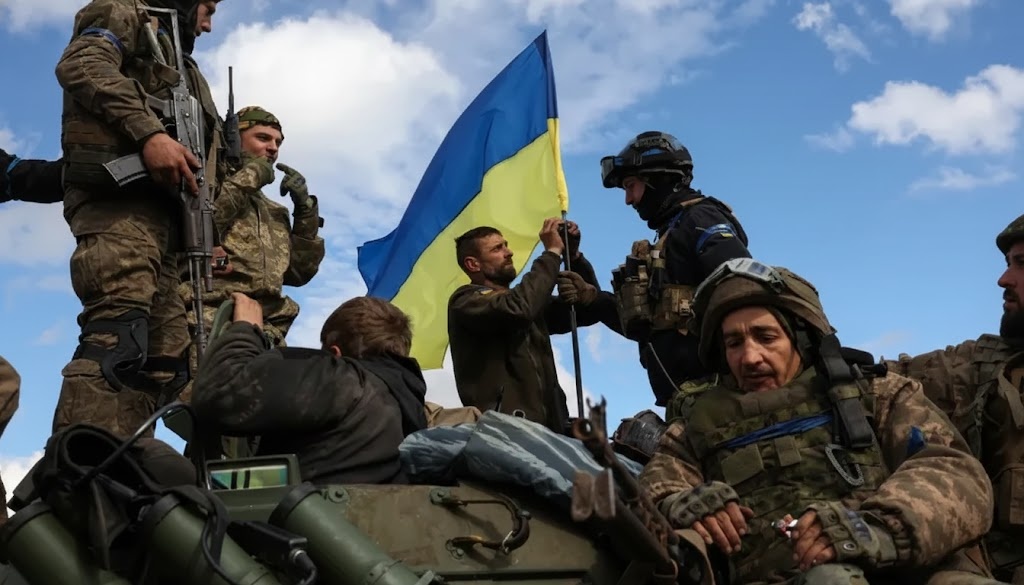
Ukraine’s operation to retake Kupiansk was marked by speed, coordination, and effective use of intelligence. Ukrainian forces reportedly launched a focused offensive that exploited weaknesses in Russian defenses, combining ground maneuvers with targeted strikes to isolate enemy positions.
Russian troops, already facing logistical strain and stretched supply lines, struggled to respond effectively. As pressure mounted, reports indicated falling morale and an organized withdrawal from key positions, allowing Ukrainian units to move in and secure control of the city.

Impact on Moscow’s Narrative
Prior to the loss of Kupiansk, Moscow projected an image of steady control and irreversible progress in eastern Ukraine. State media frequently framed Ukrainian counteroffensives as symbolic or unsuccessful, reinforcing claims of dominance.
The recapture of Kupiansk punctures that narrative. It exposes vulnerabilities in Russian military planning and challenges assertions that occupied areas are firmly secured. The speed of Ukraine’s success also raises questions about Russia’s ability to defend other key locations, weakening Moscow’s credibility both domestically and internationally.
Broader Military and Political Implications
Militarily, Kupiansk’s liberation signals Ukraine’s growing confidence and capability in executing complex operations. It may serve as a morale booster for Ukrainian forces and encourage further offensives in contested regions.
Politically, the development strengthens Kyiv’s position on the global stage. Concrete battlefield gains reinforce arguments for continued Western military and financial support. For Moscow, the setback may force adjustments in both battlefield strategy and political messaging, as officials seek to contain the fallout.
The Human Impact in Kupiansk
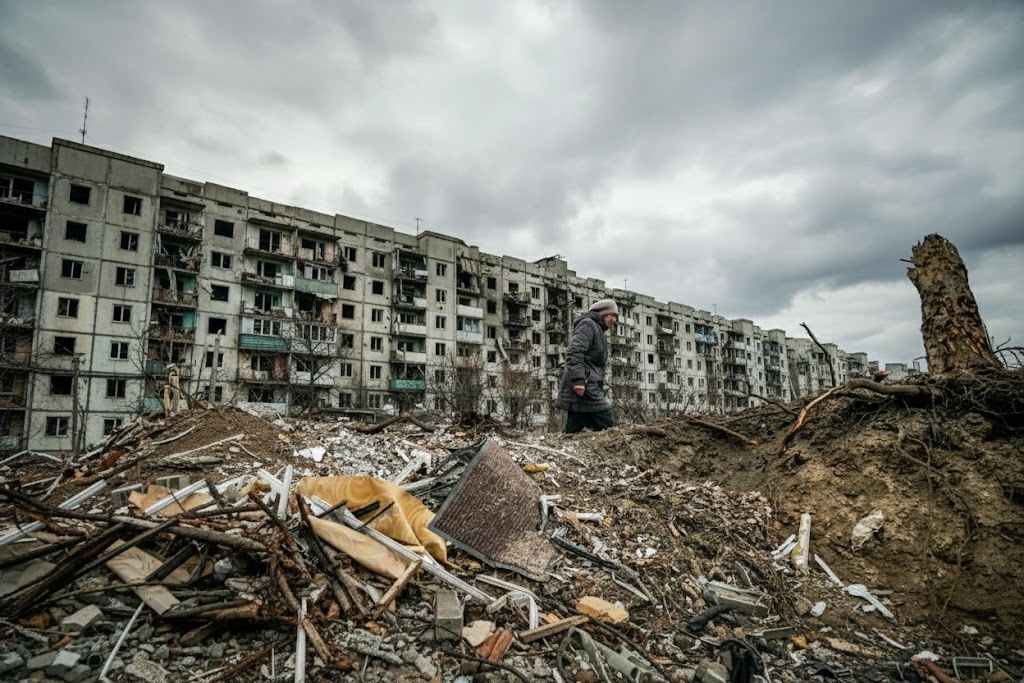
Beyond strategy and politics, the recapture of Kupiansk carries deep human significance. Civilians in the city endured months of instability, shortages, and constant fear under occupation. The return of Ukrainian control opens the door to restoring basic services, delivering humanitarian aid, and beginning the long process of recovery.
While challenges remain amid ongoing conflict, the shift offers residents renewed hope and a sense of relief after prolonged uncertainty.
Moscow’s Likely Next Moves
In response, Moscow is expected to intensify efforts to regain narrative control. Russian officials may downplay the loss or frame it as a temporary setback, while increasing military reinforcements in nearby areas to prevent further advances.
Analysts will closely monitor troop movements and messaging shifts, as the Kremlin seeks to stabilize frontlines and reassure domestic audiences.
International Reactions
Western governments and military observers have widely viewed the development as evidence of Ukraine’s resilience and operational effectiveness. The event reinforces calls for sustained support to Kyiv and highlights the fluid nature of territorial control in the conflict.
For diplomatic actors pushing for negotiations, the situation complicates efforts, underscoring that realities on the ground continue to evolve rapidly.
What Comes Next
Kupiansk’s recapture underscores that the war in Ukraine remains dynamic and unpredictable. Control of territory and control of narratives are unfolding simultaneously, each influencing the other.
For Ukraine, the victory serves as both a strategic gain and a symbolic message of resistance. For Moscow, it is a reminder that claims of inevitability can unravel quickly. As fighting continues, the battle for both land and perception will remain central to the conflict’s trajectory.
The events in Kupiansk demonstrate that a single city can carry outsized importance, reshaping momentum, messaging, and the wider course of the war.