
Belgian Farmers’ Rally Against EU-Mercosur Trade Deal Turns Violent
A rally by Belgian farmers against a contentious trade deal between the European Union and the South American trading bloc Mercosur escalated into violence, highlighting the deep divisions and complex challenges surrounding international trade agreements. The protest, intended to voice widespread agricultural concerns, quickly spiraled into chaotic scenes, drawing national and international attention to the intricate intersection of trade, environmental policy, and farmers’ livelihoods.
Background: The EU-Mercosur Trade Deal
The trade deal between the EU and Mercosur, a trade bloc composed of Argentina, Brazil, Paraguay, and Uruguay, represents one of the largest free trade agreements in the world. Its goal is to reduce tariffs and facilitate the flow of goods between the two regions, opening up new markets primarily for agricultural products, automobiles, and industrial goods. The agreement promises economic benefits, including increased export opportunities for EU businesses and reduced costs for consumers.
However, the pact has also drawn considerable criticism from various European stakeholders, especially farmers, environmentalists, and consumer groups. Belgian farmers, along with others across the EU, have expressed fears that the deal would lead to an influx of cheaper South American agricultural products, undermining local farming industries and compromising strict European environmental and animal welfare standards.
The Farmers’ Rally: Intentions and Organization
Farmers from across Belgium organized the rally as a manifestation of their opposition to the trade deal’s potential effects on their sector. The protest brought together thousands of farmers, many driving tractors and carrying banners highlighting themes such as “Protect Our Farms,” “No to Dumping,” and “Fair Trade, Not Free Trade.”
The rally’s initial goal was to peacefully demonstrate in front of government buildings and the European Commission’s regional offices, demanding a reconsideration of the trade deal’s terms. Farmers wanted assurances that any agreements would preserve agricultural quality standards and protect their economic viability.
Escalation of Violence
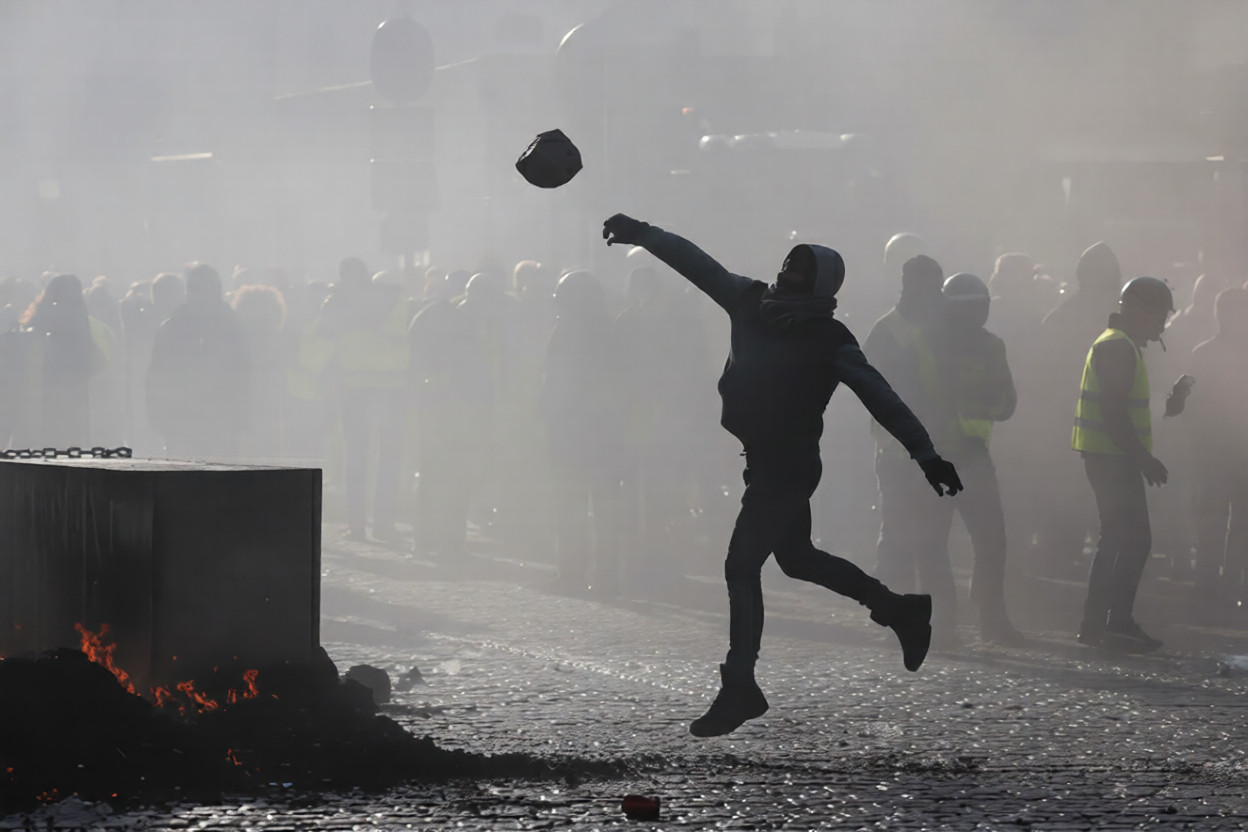
Though the rally started peacefully, tensions escalated as a segment of protesters grew increasingly frustrated with perceived governmental inaction. Clashes broke out between demonstrators and police forces, with reports of thrown objects, water cannon use, and several arrests. Some streets in central Brussels saw barricades formed from overturned vehicles and burning debris, forcing law enforcement to intervene with riot gear.
The violence shocked many observers and highlighted the growing polarization within agricultural communities. While the vast majority of farmers remained peaceful, fringe groups felt compelled to take stronger action to make their voices heard.
Reasons Behind the Farmers’ Fierce Opposition
Belgian farmers’ opposition to the EU-Mercosur deal rests on multiple concerns:
Economic Threat: The deal would allow a significant increase in imports of beef, poultry, sugar, and ethanol from Mercosur countries, products often produced at lower costs due to less stringent environmental regulations and lower labor costs. Belgian farmers worry this will lead to unfair competition and declining farm incomes.
Environmental and Quality Standards: European agricultural products are held to rigorous environmental and animal welfare standards. Critics argue that Mercosur products may not meet the same criteria, potentially leading to ecological harm as well as consumer health concerns.
Sustainability of Local Farming: Belgium’s agricultural sector prides itself on quality and sustainability. Farmers fear that flooding the market with cheaper imports would force many smaller or mid-sized farms out of business, exacerbating rural economic decline.
Government and EU Response
Following the violent clashes, Belgian government officials condemned the outbreak of violence but acknowledged the legitimacy of farmers’ concerns. Agriculture Minister David Clarinval called for a dialogue to better understand the impact of the trade deal on local farmers and explore possible safeguards.
Meanwhile, representatives from the European Commission emphasized that trade agreements are negotiated with strict provisions to uphold environmental and sanitary standards. The Commission assured that monitoring mechanisms would be in place to ensure compliance and protect EU farmers.
Nevertheless, the incident has increased political pressure on both Belgian authorities and the EU to revisit aspects of the trade negotiation and usage framework to strike a better balance between trade liberalization and protection of domestic sectors.

Broader Implications for Trade and Agriculture
The violent protests in Belgium mirror sentiments across other EU member states where farming communities share similar fears. The EU-Mercosur deal has been a catalyst for a much larger debate about global trade: how to reconcile economic gains with social and environmental responsibility.
Agriculture is often a flashpoint in trade discussions because it deals not just with economic transactions but with deeply rooted cultural values, food security, and sovereignty over land and production methods. The Mercosur deal brings to light the ongoing challenge for policymakers to create agreements that support open markets while ensuring sustainable agriculture.
What’s Next?
The Belgian farmers’ rally marks a critical moment in the trajectory of the EU-Mercosur trade deal. As governments and agencies prepare to address the fallout, several effects are expected:
Policy Reexamination: Belgium and perhaps other EU countries may push for stricter enforcement clauses within the trade deal or seek amendments that incorporate more robust protections for local agriculture.
Increased Farmer Mobilization: The protest could inspire other agricultural sectors to mobilize artistically or politically, demanding a greater voice in trade matters.
Public Awareness: The violence and subsequent dialogue have elevated public awareness about the stakes involved in international trade deals, possibly influencing future referendum debates or electoral platforms.
Balancing Globalization and Local Farming: The Takeaway
The violent turn taken by the Belgian farmers’ rally against the EU-Mercosur trade deal underscores the significant tensions and stakes embedded in international trade agreements. While economic integration offers promise, it must be balanced with safeguards that protect local industries, maintain environmental sustainability, and respect the social fabric of rural communities.
As Belgium and the EU work to diffuse tensions and reexamine policy implications, this episode serves as a potent reminder that trade deals are not merely technical documents—they affect lives, communities, and the future of agriculture itself. The road ahead will require open dialogue, creative compromise, and careful attention to ensuring the benefits of globalization do not come at the expense of vulnerable sectors like farming.