The Israel housing plan Jerusalem has become a central issue in ongoing debates surrounding the future of the city, regional stability, and the broader Israeli Palestinian conflict. Housing decisions in Jerusalem are never merely administrative. They carry political, legal, and humanitarian implications that extend well beyond city planning offices. As Israel moves forward with large scale housing initiatives, global attention remains firmly focused on how these plans will reshape East Jerusalem and affect prospects for long term peace.
Jerusalem is a city of profound religious and historical importance to Jews, Muslims, and Christians alike. It is also one of the most contested urban spaces in the world. Every housing announcement reverberates across diplomatic channels, international institutions, and local communities living with the consequences on the ground.
Background of Housing Policy in Jerusalem
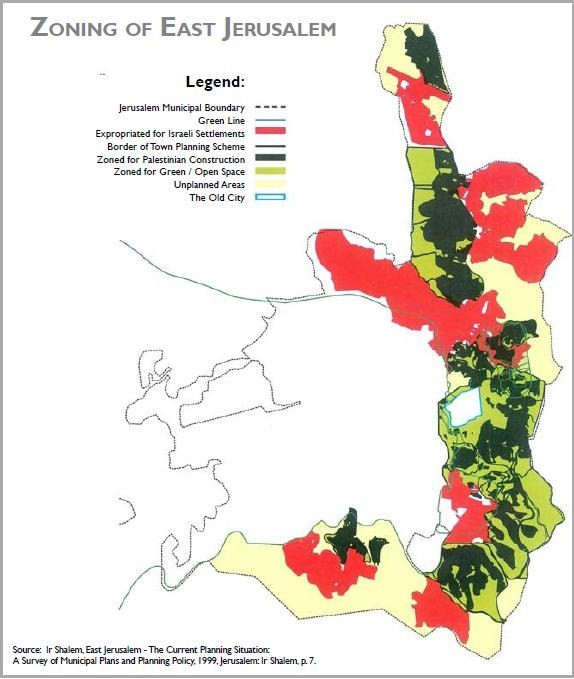
Since gaining control of East Jerusalem in 1967, Israel has steadily expanded municipal boundaries, infrastructure, and residential developments. These efforts have been framed by Israeli authorities as necessary for population growth and urban continuity. Critics argue that such policies are designed to consolidate control and alter demographic balances.
The Israel housing plan Jerusalem is part of a long running pattern of development initiatives that prioritize Israeli residential growth while restricting Palestinian construction through complex permitting systems. Over time, these policies have created stark contrasts between neighborhoods in access to housing, services, and public investment.
What the Current Housing Plan Involves
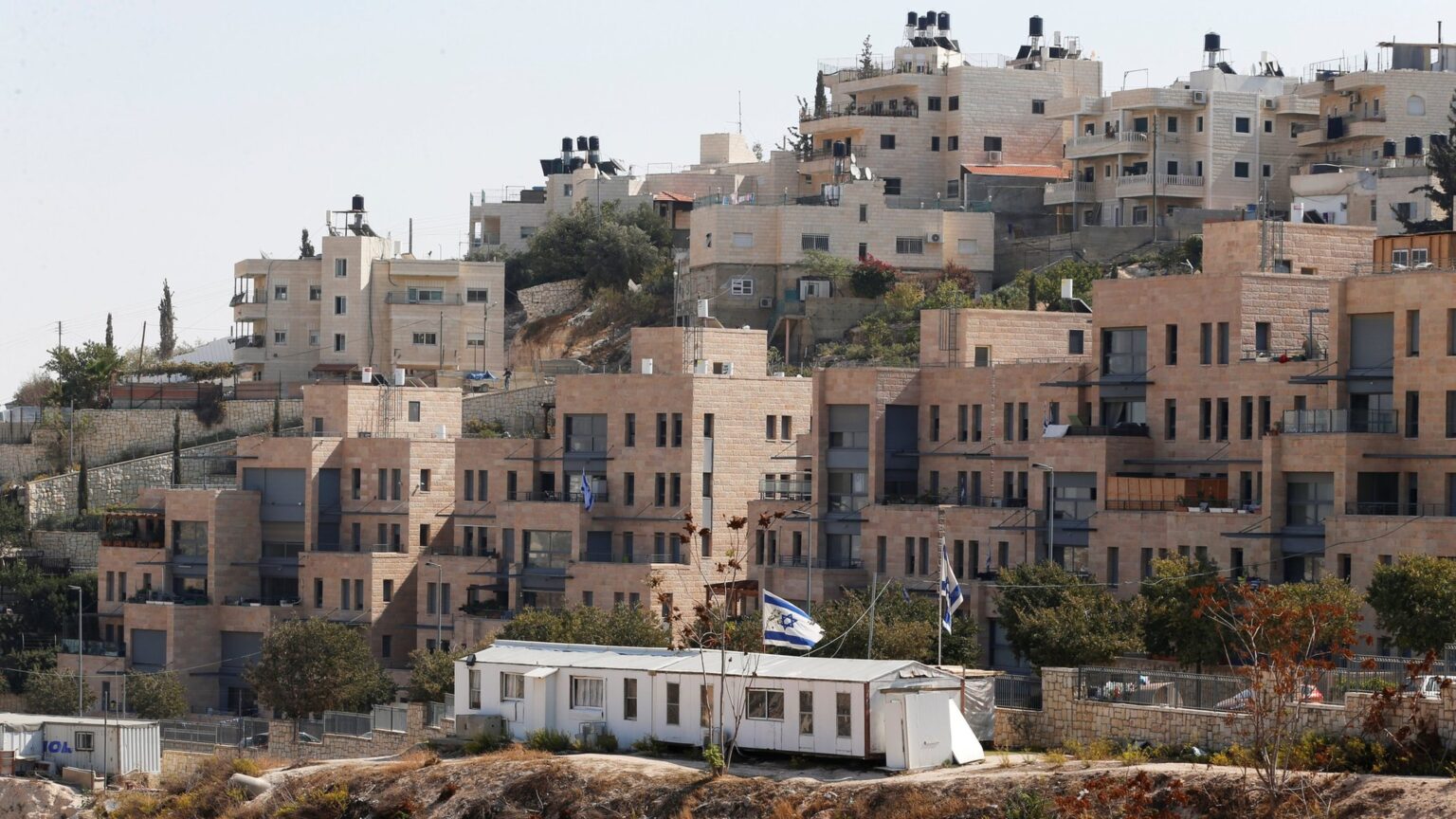
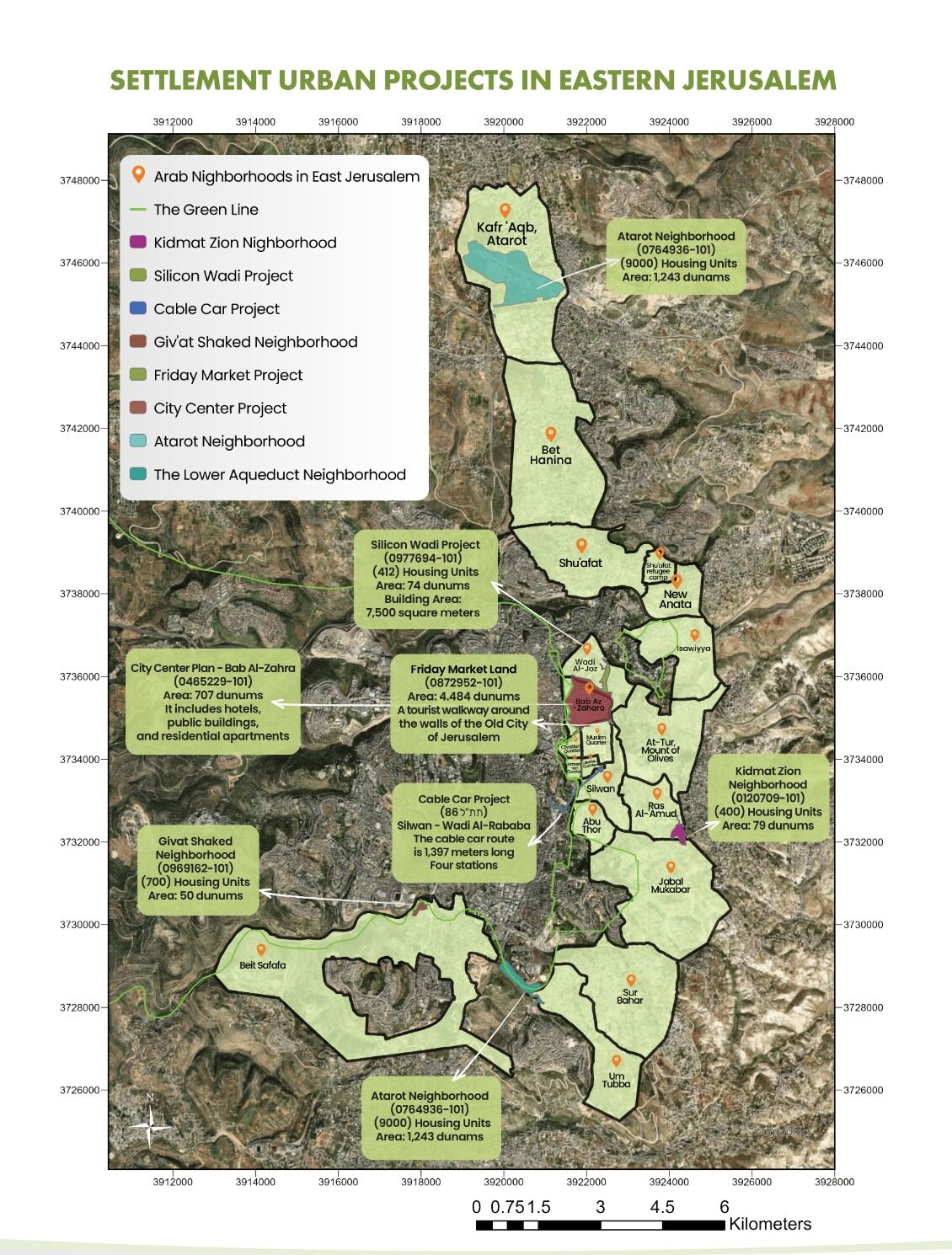
The latest housing initiatives focus on advancing zoning approvals and construction frameworks for thousands of new housing units, primarily in East Jerusalem areas beyond the 1967 Green Line. These plans include residential buildings, transportation links, and public facilities that would further integrate these neighborhoods into Israel’s municipal system.
Supporters of the Israel housing plan Jerusalem argue that the city faces a housing shortage and that expansion is necessary to meet demand. They also claim development ensures economic growth and infrastructure modernization.
Opponents counter that the scale and location of these projects undermine Palestinian territorial contiguity and limit the feasibility of East Jerusalem serving as a future Palestinian capital.
Impact on Palestinian Residents
Palestinian communities in East Jerusalem already face significant housing challenges. Building permits are difficult to obtain, overcrowding is common, and home demolitions remain a persistent threat. New housing developments often exacerbate these issues by limiting land availability and increasing security restrictions.
Human rights organizations warn that the Israel housing plan Jerusalem could contribute to displacement, economic marginalization, and reduced access to essential services such as education and healthcare. These impacts are felt most acutely in neighborhoods bordering new settlement areas.
International Law and Legal Debate
Under international law, East Jerusalem is widely regarded as occupied territory, and settlement construction is considered illegal by most of the international community. Israel disputes this interpretation, citing historical claims, security needs, and domestic legal frameworks.
The Israel housing plan Jerusalem therefore carries legal consequences that extend into diplomatic relations. United Nations resolutions, European Union statements, and international court opinions consistently oppose settlement expansion, viewing it as a violation of established legal norms.
Global Reaction and Diplomatic Pressure
International response to housing expansion announcements has been swift and critical. Governments across Europe, the Middle East, and beyond have expressed concern that continued development undermines peace negotiations.
The United Nations has repeatedly called on Israel to halt settlement activity, warning that actions related to the Israel housing plan Jerusalem weaken trust and escalate tensions. Diplomatic pressure often intensifies following major construction approvals, though tangible consequences remain limited.
Israeli Government Perspective
Israeli officials defending the housing plan emphasize sovereignty over Jerusalem and the right to develop the city as its capital. They argue that housing expansion is not a political statement but a response to demographic realities and urban needs.
Within Israel, opinions vary. Some political groups view the Israel housing plan Jerusalem as essential to national security and identity. Others warn that continued expansion risks international isolation and long term instability.
Effects on the Peace Process
Settlement activity has long been a major obstacle in peace negotiations. Palestinian leaders argue that housing expansion predetermines borders and leaves little room for compromise.
When the Israel housing plan Jerusalem advances, it often leads to a breakdown in dialogue, protests on the ground, and increased mistrust between parties. Analysts note that each new development makes a negotiated two state solution more difficult to achieve.
Economic Considerations
From an economic perspective, housing projects generate jobs, investment, and infrastructure development. Construction firms, municipal services, and related industries benefit from large scale projects.
However, economic gains from the Israel housing plan Jerusalem are unevenly distributed. Palestinian residents frequently lack access to construction permits, employment opportunities, and commercial development, deepening economic disparities across the city.
Social and Cultural Consequences
Jerusalem’s social fabric is deeply intertwined with its neighborhoods. Housing expansion can alter community dynamics, restrict movement, and increase surveillance and security measures.
The Israel housing plan Jerusalem may further divide communities, limiting interaction and reinforcing physical and psychological barriers between populations. These social consequences can persist long after construction is completed.
Security Implications
Jerusalem is a frequent flashpoint for unrest. Settlement announcements have historically been followed by protests, clashes, and heightened security operations.
Security analysts warn that the Israel housing plan Jerusalem could contribute to renewed instability, requiring increased military and police presence. This environment affects daily life for all residents and raises concerns about long term security sustainability.
Media Coverage and Public Opinion
Media framing of housing plans varies widely. Israeli outlets often emphasize development and legal authority, while international media focus on humanitarian and legal concerns.
Public opinion remains polarized. Supporters see the Israel housing plan Jerusalem as a necessary assertion of sovereignty, while critics view it as a barrier to peace and coexistence.
Long Term Outlook
The future of Jerusalem remains uncertain. Housing plans move slowly through bureaucratic processes, and international pressure can delay or modify implementation.
Still, the continued advancement of the Israel housing plan Jerusalem suggests that settlement expansion will remain a defining issue in regional politics. How these plans unfold will shape diplomatic relations, urban life, and the possibility of future negotiations.
Housing policy in Jerusalem is inseparable from politics, identity, and power. The Israel housing plan Jerusalem is not simply about construction but about the future direction of one of the world’s most contested cities.
As plans advance, the consequences will be felt locally and globally. Whether through diplomacy, legal challenges, or grassroots responses, the debate surrounding Jerusalem’s housing future is far from over.