Diplomatic efforts aimed at stopping violence in Gaza have reached a highly sensitive moment. Political statements, military activity, and humanitarian pressures are converging at a time when negotiations are already fragile. Gaza ceasefire talks are now being described by analysts as one of the most difficult diplomatic challenges currently facing the region. The stakes are high, not only for political leaders but also for civilians whose daily lives are shaped by uncertainty, fear, and disruption.
For many families, negotiations are not abstract discussions between officials. They represent the possibility of safety, access to essential services, and a chance to rebuild lives interrupted by conflict. As discussions continue, every development is watched closely both inside the region and across the international community.
Historical Background of the Conflict
The conflict surrounding Gaza did not emerge overnight. It is rooted in decades of political disputes, territorial disagreements, security concerns, and repeated failures to reach lasting agreements. Numerous ceasefires have been announced over the years, only to collapse due to accusations of violations, misunderstandings, or renewed hostilities.
This history weighs heavily on current negotiations. Gaza ceasefire talks are influenced by past disappointments that have created deep mistrust between the parties involved. Each side approaches discussions with skepticism, shaped by memories of agreements that failed to deliver lasting peace or security.
Political Pressures Facing Leaders
Political leaders involved in negotiations face intense pressure from multiple directions. Domestic audiences expect firm positions and decisive action, while international partners urge restraint and compromise. Any decision made during negotiations is scrutinized by political rivals, supporters, and critics alike.
This pressure limits flexibility at the negotiating table. Gaza ceasefire talks often stall when leaders fear that concessions could weaken their political standing. The result is a cycle where progress is slow and fragile, even when both sides recognize the costs of continued conflict.
Security Concerns and Strategic Calculations
Security remains the dominant issue shaping negotiations. Each side argues that its actions are necessary to protect civilians and prevent future attacks. These competing narratives make agreement difficult, as trust is minimal and verification mechanisms are limited.
Disagreements over what constitutes acceptable behavior frequently derail Gaza ceasefire talks. Without clear and enforceable rules, even isolated incidents can escalate quickly, undermining broader diplomatic efforts and reinforcing mutual suspicion.
Humanitarian Conditions on the Ground
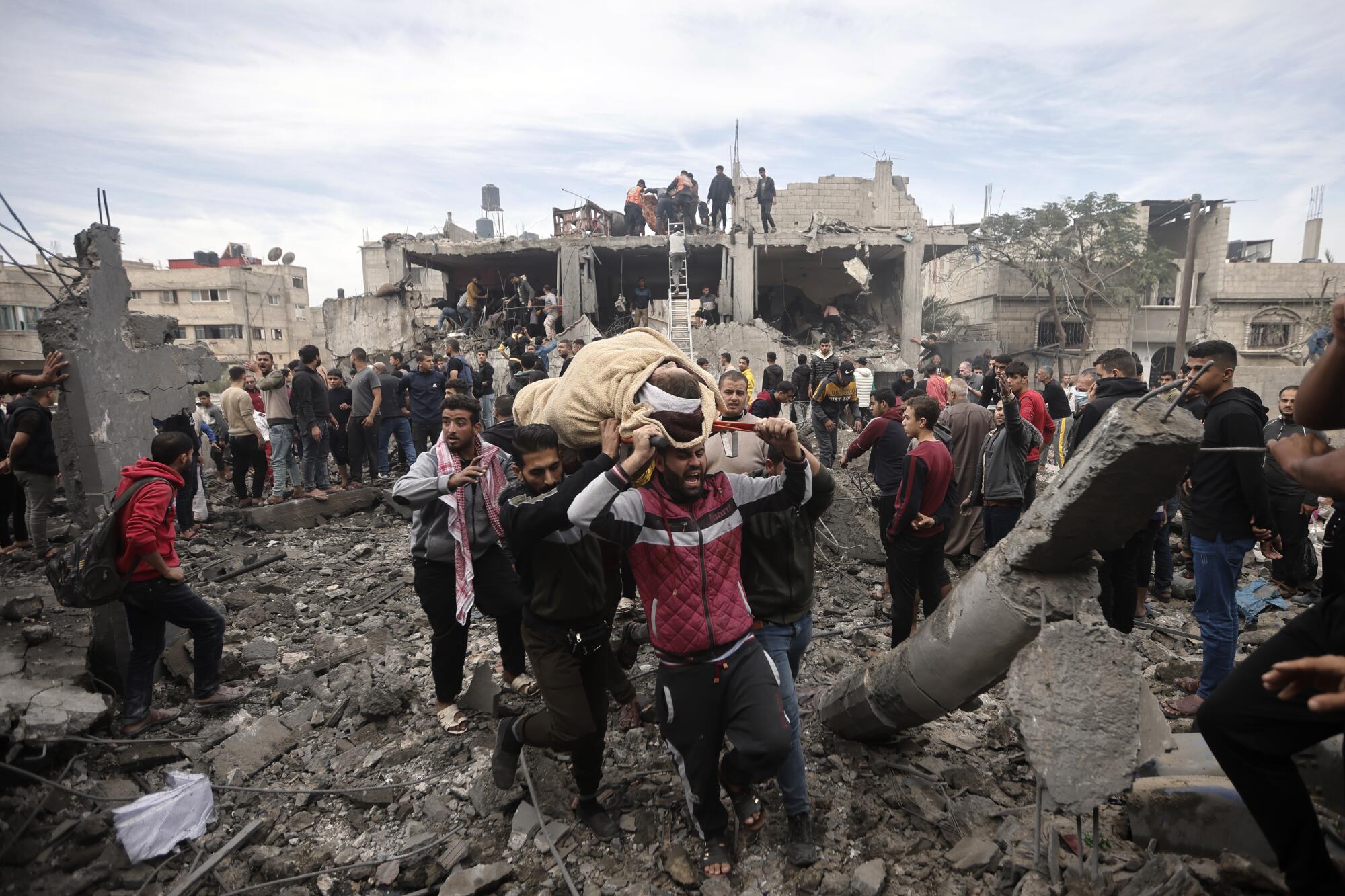
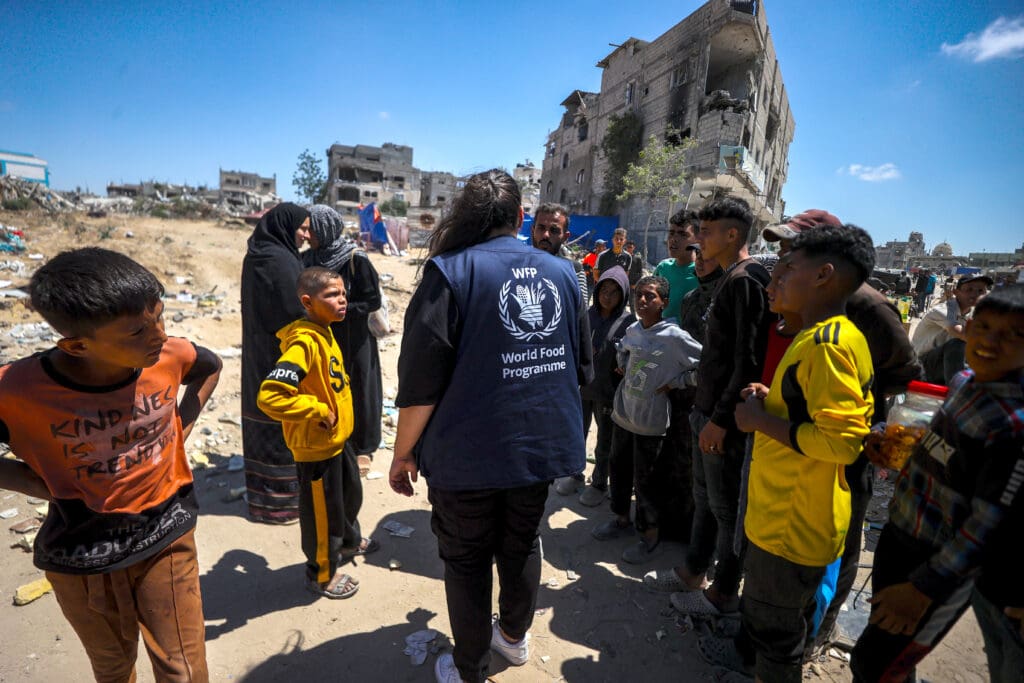
The humanitarian situation in Gaza adds urgency to diplomatic efforts. Limited access to food, medical supplies, electricity, and clean water has created severe challenges for civilians. Hospitals operate under strain, and families struggle to meet basic needs.
Aid organizations consistently warn that delays in Gaza ceasefire talks prolong civilian suffering. While humanitarian pauses provide temporary relief, they are not a substitute for sustained calm and long term solutions. The humanitarian crisis remains one of the strongest arguments for continued negotiations.
Role of International Mediators
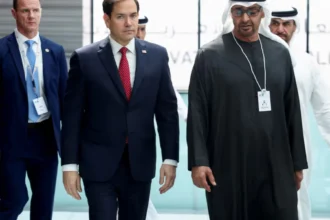
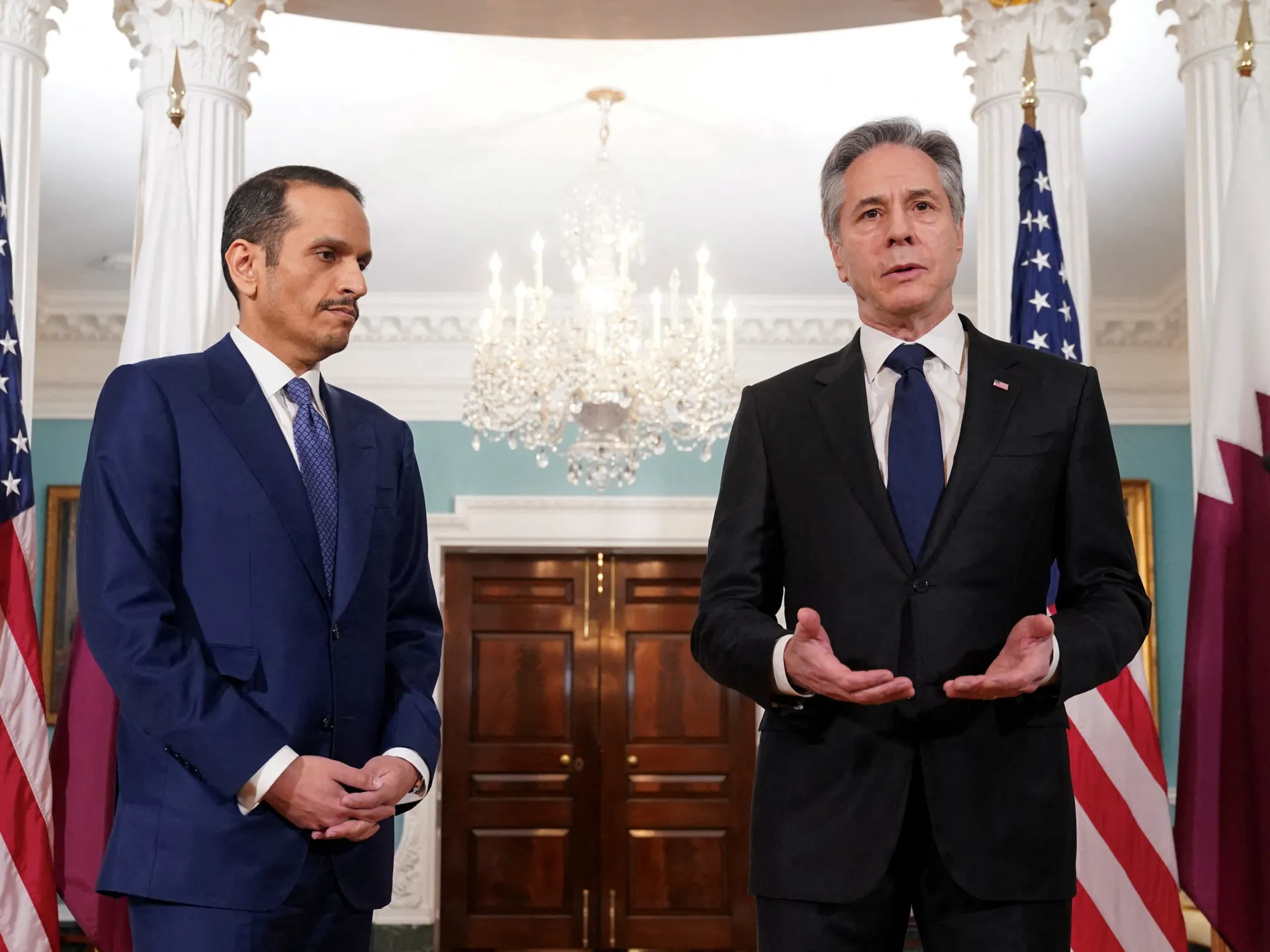
International and regional mediators play a critical role in sustaining dialogue. Their responsibilities include facilitating communication, proposing compromise frameworks, and helping verify claims made by both sides. Mediators often work quietly behind the scenes to prevent public rhetoric from hardening positions.
The effectiveness of Gaza ceasefire talks often depends on mediator credibility. When intermediaries are trusted, parties are more willing to engage seriously. When trust erodes, negotiations become symbolic rather than substantive, increasing the risk of collapse.
Media Coverage and Public Perception
Media coverage significantly shapes how negotiations are perceived. Headlines emphasizing breakdowns or accusations can inflame tensions, while reports of progress may encourage restraint. In the digital age, information spreads rapidly, often without full context.
As Gaza ceasefire talks continue, competing narratives seek to assign blame or claim legitimacy. This information environment places additional pressure on negotiators, who must consider how statements will be interpreted by both domestic and international audiences.
Economic Impact and Reconstruction Challenges
Years of conflict have left Gaza economically fragile. Infrastructure damage, restricted trade, and high unemployment have created long term challenges that cannot be solved without stability. Reconstruction efforts depend heavily on sustained calm and international funding.
Progress in Gaza ceasefire talks is closely tied to economic recovery prospects. Donors often require assurances of stability before releasing funds, meaning stalled negotiations delay rebuilding efforts and prolong economic hardship for civilians.
Lessons From Previous Ceasefires
Past ceasefire agreements offer important lessons for current negotiations. Temporary arrangements without enforcement mechanisms have repeatedly failed. Ambiguous language and lack of accountability have allowed disagreements to escalate into renewed violence.
These lessons influence how Gaza ceasefire talks are structured today. Mediators seek clearer terms, monitoring processes, and phased implementation. Despite these efforts, skepticism remains high due to repeated failures in the past.
Risk of Escalation if Talks Fail
If negotiations collapse, the risk of escalation increases rapidly. Even minor incidents can spiral into broader confrontations, drawing in additional regional actors. The consequences would extend beyond Gaza, affecting regional stability and international relations.
This risk underscores why Gaza ceasefire talks are watched so closely. Preventing collapse is seen as essential to avoiding another cycle of violence that would further strain humanitarian systems and deepen political divisions.
Civilian Experience and Daily Life
For civilians, the outcome of negotiations directly affects daily life. Periods of calm allow schools to reopen, businesses to function, and families to plan for the future. When talks falter, fear and uncertainty return quickly.
When Gaza ceasefire talks show signs of progress, cautious optimism emerges among residents. When they stall, anxiety deepens, reinforcing the human cost of prolonged diplomatic uncertainty and political deadlock.
Diplomatic Outlook Moving Forward
Despite repeated challenges, diplomatic engagement continues. Backchannel discussions, regional mediation, and international pressure aim to keep dialogue alive. Many analysts believe that incremental progress may be more realistic than comprehensive agreements.
The future of Gaza ceasefire talks depends on restraint, verification, and sustained commitment. While expectations remain cautious, continued engagement offers the best alternative to renewed violence and further humanitarian deterioration.
The current moment highlights both the necessity and fragility of diplomacy in one of the world’s most enduring conflicts. Gaza ceasefire talks represent a narrow opportunity to reduce violence, ease civilian suffering, and create space for longer term solutions.
Success is uncertain, and setbacks are likely. Yet abandoning negotiations would almost certainly worsen conditions and deepen instability. For now, continued dialogue remains the most viable path toward reducing harm and preserving hope for a more stable future.