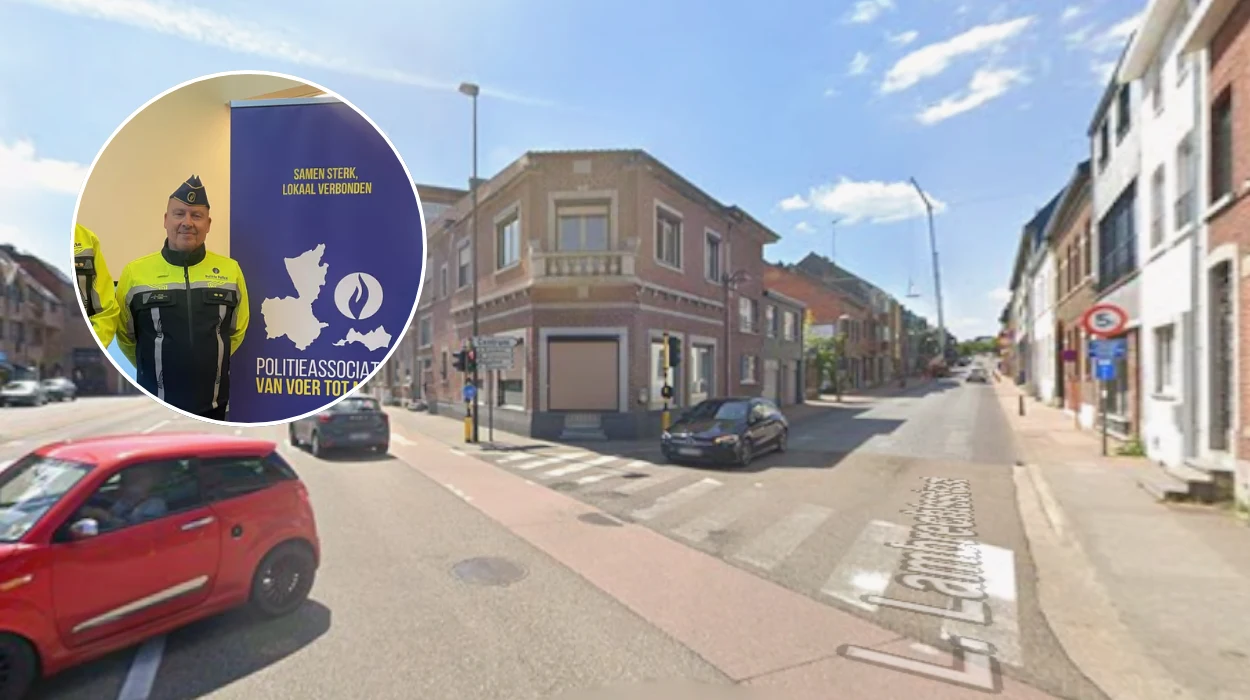
Bilzen-Hoeselt (Brussels Morning Newspaper) – Lanaken-Maasmechelen, Bilzen-Hoeselt-Riemst, and Voeren police zones, with 340 officers, form a joint venture to boost fraud investigations and local policing efficiency, says Chief Dirk Claes.
As VRT News reported, the police zones of Lanaken-Maasmechelen, Bilzen-Hoeselt-Riemst, and Voeren are joining forces to strengthen public safety in Limburg. The Voeren and Bilzen-Hoeselt-Riemst zones have been cooperating for more than 10 years. Now, Lanaken-Maasmechelen is also part of this partnership.
What are Lanaken-Maasmechelen, Bilzen-Hoeselt-Riemst, and Voeren Police zones doing to boost safety?
Together, the 3 police zones employ around 340 officers. They are responsible for a population of over 130,000 people. The joint effort will allow officers to cover more areas, exchange information faster, and act promptly in emergencies.
“By working together as a consortium, we can complement each other,”
explains Dirk Claes, the chief of police for the Bilzen-Hoeselt-Riemst zone.
“For example, we’ve now established a joint Local Computer Crime Unit, because internet fraud is truly a specialised field.”
The police zones of Lanaken-Maasmechelen, Bilzen-Hoeselt-Riemst, and Voeren say working together will make their operations more efficient and cost-effective. The police chief emphasises,
“For example, with the use of drones. In the Voeren and Lanaken-Maasmechelen areas, they have drones; we don’t. So if we need aerial footage, we can quickly call on our colleagues for help.”
The police chief explains that sharing resources helps reduce expenses while keeping services strong. The zones will also buy equipment together.
“For example, we had already purchased a speed radar together with the Voeren zone,”
Claes continues.
“That’s a very expensive piece of equipment. By purchasing it together, we can use taxpayer money very efficiently. We then lend that equipment to other zones, and in return, we can borrow other equipment from other zones.”
Despite the closer cooperation, the 3 zones don’t want to merge. Officials stress that keeping separate zones ensures police services stay accessible in each community. Officers can focus on smaller areas, keep stations staffed, and maintain a visible presence.
The zones will work together on specialised services like criminal investigations and technical support. They will also join forces during major operations or emergencies to respond quickly while keeping daily policing local and reliable.
The police zones of Lanaken-Maasmechelen, Bilzen-Hoeselt-Riemst, and Voeren have a long history rooted in Belgium’s national police reform of 2001. At that time, local municipalities were grouped into official police zones to improve efficiency and coordination. Lanaken and Maasmechelen were later merged into a single zone, while Bilzen, Hoeselt, Riemst, and Voeren each formed their own zones.