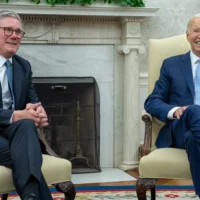

The relationship between Israel and the United States has been a defining feature of American foreign policy for decades. Central to this relationship is what is commonly referred to as the “Israel lobby,” a loose coalition of individuals, organizations, and advocacy groups that actively work to shape U.S. policy in a direction favorable to Israel. This article provides an insightful, balanced, and evergreen exploration of the Israel lobby’s role in U.S. foreign policy, drawing from scholarly analysis, historical context, and enduring facts to present a nuanced understanding of this complex dynamic.
The special relationship between the United States and Israel is often described as unparalleled, involving substantial diplomatic, military, and financial support. Scholars John Mearsheimer and Stephen Walt famously articulated in their controversial book The Israel Lobby and U.S. Foreign Policy that this commitment is primarily driven by the organized efforts of the Israel lobby, which shapes American policy arguably to the detriment of U.S. national interests.
Beyond academics, the lobby encompasses diverse actors including Jewish organizations, Christian Zionist groups, political action committees like AIPAC (American Israel Public Affairs Committee), media influencers, and lobbyists. The influence of these groups includes lobbying Congress, campaign contributions, media shaping, and advocacy within government institutions.
Background and Components of the Israel Lobby
The Israel lobby is not a monolithic entity but a complex network. Its core members are organizations explicitly dedicated to promoting pro-Israel U.S. policies. For instance, AIPAC plays a central role by engaging legislators and mobilizing public opinion. Complementary actors include Christian evangelical groups that support Israel on religious grounds and influential Jewish organizations promoting strategic and cultural ties.
The lobby’s activities are varied:
- Campaigning for sustained and increased U.S. aid to Israel, which consistently ranks as one of the largest recipients of U.S. foreign assistance.
- Shaping media narratives to foster sympathy for Israel’s security concerns.
- Influencing U.S. government decisions on Middle East peace processes and regional security strategies.
- Advocating policies that counterbalance adversaries of Israel, including Iran and Hezbollah.
Influence on U.S. Foreign Policy
Analyses suggest the Israel lobby has significant leverage over U.S. foreign policy, especially in shaping Congressional attitudes and the Executive branch’s stance toward Israel and the broader Middle East. The lobby’s support often ensures near-unanimous Congressional backing for Israel through resolutions, funding appropriations, and legislative initiatives.
Mearsheimer and Walt argue that this influence has, at times, led the U.S. into policies that are not aligned with broader American strategic interests—such as unwavering support for Israel’s policies regarding Palestinian territories, which, they contend, exacerbate regional tensions and fuel anti-American sentiment.
However, supporters contend that U.S.-Israel cooperation aligns with shared democratic values and strategic interests, strengthening a key ally in a volatile region. Israel’s technological innovation, intelligence sharing, and military cooperation contribute substantively to U.S. security priorities.
Controversies and Criticisms
The debate over the Israel lobby’s role is highly contentious. Critics of Mearsheimer and Walt’s thesis argue that attributing too much influence to the lobby ignores other geopolitical realities and risks veering into conspiratorial territory. Some organizations and commentators accuse such arguments of unfairly singling out Jewish groups, risking the weaponization of antisemitism.
The lobby itself emphasizes its transparent advocacy efforts and highlights the diversity of opinion within American Jewish and Christian communities. Moreover, studies indicate that American public opinion broadly favors Israel, independently of lobbying pressures, complicating simplistic analyses of policy drivers.
The Role of Public Opinion and Broader Geopolitical Context
Beyond lobbying activities, U.S. public support for Israel remains robust, facilitated by cultural, religious, and historical ties. Christian Zionism, for example, informs the perspectives of a politically significant voter base contributing to the bipartisan support Israel enjoys.
Geopolitically, the Middle East remains a critical arena of global strategic interest for the U.S., with Israel serving as an important partner. The lobby’s effectiveness is partly rooted in positioning Israel as a strategic asset in confronting regional challenges, including the influence of Iran and instability caused by terrorism.
The Israel lobby undeniably plays a prominent role in shaping U.S. foreign policy toward Israel and the Middle East a role that generates both significant support and intense debate. While the lobby’s advocacy aligns with the interests of many Americans and policymakers, it also raises complex questions about the intersection of domestic politics, international relations, and regional stability.
Understanding the multifaceted nature of the Israel lobby’s influence provides insights into one of the most enduring and dynamic aspects of American foreign policy, underscoring the importance of transparency, balanced debate, and recognition of broad geopolitical interests.
Dear reader,
Opinions expressed in the op-ed section are solely those of the individual author and do not represent the official stance of our newspaper. We believe in providing a platform for a wide range of voices and perspectives, even those that may challenge or differ from our own. We remain committed to providing our readers with high-quality, fair, and balanced journalism. Thank you for your continued support.