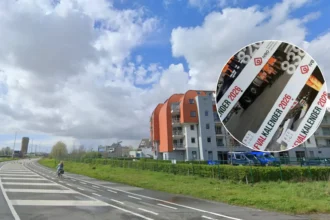
Westhoek (Brussels Morning Newspaper) – Cabbage farmers in Westhoek face white snow infestations. The aphids damage Brussels sprouts, broccoli, and cauliflower, spread fungal diseases, and make crops unacceptable for sale after the EU banned spirotetramat.
As VRT News reported, Cabbage farmers in the Westhoek, in the province of West Flanders, Belgium, are struggling with a pest known as “white snow.” They mentioned that the infestation is affecting the size and quality of their crops.
“Those white ghosts are making my vegetables dirty and unsellable at the fresh produce market,”
says farmer Danny Metsu from Vlamertinge.
“I fear for my Brussels sprouts, broccoli, and cauliflower. Working in the frozen food industry could be an alternative, because then the harvest is washed. But that means extra costs, water, energy, and pollution.”
What threat does White Snow pose to Westhoek farmers after the spirotetramat ban?
Authorities say it is toxic to bees and aquatic animals. Farmers have now lost the most effective pesticide they had. They are searching for other ways to protect their cabbage.
“The pesticide Spiroteramat is already banned there. That has also caused a white wave of aphids in our area. White mold, black droppings, and yellowed leaves: it’s getting worse every day.”
According to officials, only contact pesticides remain allowed. These chemicals act only on the plant’s surface. They must touch the pests directly to work. This makes them less effective and requires more frequent spraying. Growers warn that crop losses could increase without spirotetramat. They are also seeking methods that are safe for the environment but still protect their harvest.
Farmers in the Westhoek region warn that new contact pesticides do not stop the pest called “white snow.” Metsu says the sprays give little effect.
“It’s more work for less result,”
he explains. Growers must go back to the fields more often to spray. Each session costs more money but has very little effect on the pests.
“Whiteflies are thriving increasingly further north,”
says Gheysens.
“In recent weeks, with calm weather and warm temperatures, they’ve been swarming, searching for new host plants.”
Climate change is making the problem worse, says farmer and contractor Miguel Gheysens. Warmer weather and shifting seasons help the pest spread faster. Metsu adds that the infestation is not only on farms.
“They’re even appearing in village and city centres now,”
he says. He warns that if the trend continues,
“we could see white snow all over Flanders. And for farmers, it will be like black snow.”
“Look, I invested heavily in machinery, warehouses, and refrigerators. Switching to other crops isn’t easy. Meanwhile, I’ve been working with the fourth generation for seven years: my daughter and son-in-law. The idea is for them to take over the entire farm and have a future as well,”
Metau said.
The European Commission confirmed in February 2024 that spirotetramat, a pesticide sold under brands like Movento and Batavia, will no longer be renewed. The manufacturer decided not to apply for reapproval under new EU rules on endocrine disruptors.
EU records show the approval will expire on 31 October 2025. In October 2024, the Commission also added spirotetramat to a list of restricted substances under Regulation 649/2012. Authorities cited risks to the environment and human health.