Kyiv, Ukraine, 29 November – Brussels Morning Newspaper – Russian drone strikes in Ukraine killed civilians in several locations on Saturday, 28 November, as attacks damaged businesses and critical infrastructure and raised concerns about electricity and water supplies. Ukrainian officials reported seven deaths in an attack on an enterprise in Nizhyn, in the northern Chernihiv region, and one woman killed in Kyiv.
The Associated Press reported at least 10 deaths across Ukraine on Saturday. However, the overall figure requires careful attribution: two of the reported deaths occurred when a Ukrainian drone struck a hospital vehicle in Russian-occupied Zaporizhzhia, according to Moscow-installed authorities. Those deaths were not caused by Russian attacks.
The latest Russian drone strikes in Ukraine came amid an intensification of attacks on energy facilities and industrial infrastructure as the country prepares for another winter of war.
Russian drone strikes in Ukraine hit Nizhyn and Kyiv
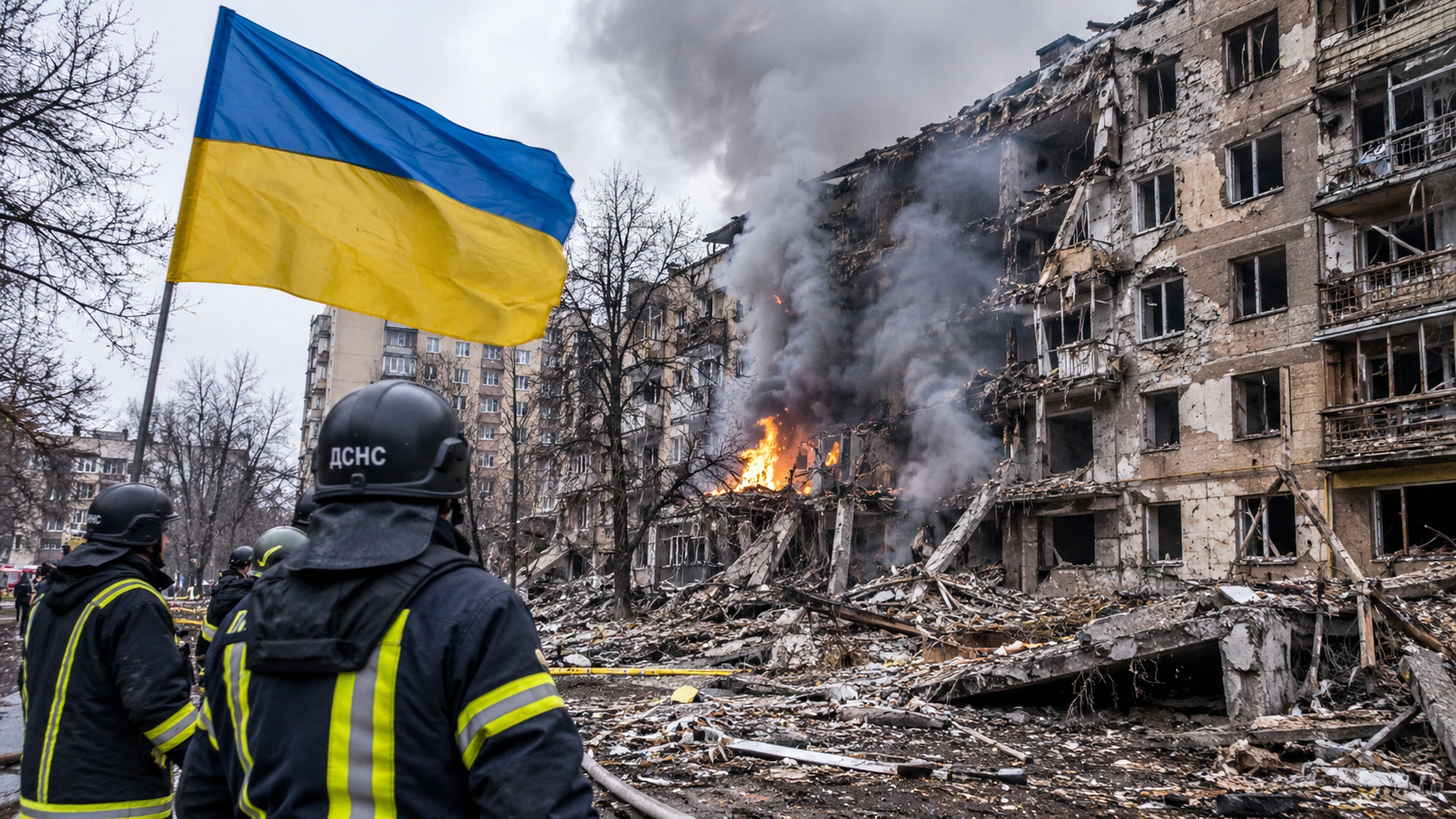
The deadliest reported Russian attack took place in Nizhyn, a town in the Chernihiv region. Ukraine’s State Emergency Service said seven people were killed and seven wounded when a Russian strike hit an enterprise there.
Rescue operations continued into Saturday as emergency workers searched the damaged site. The authorities subsequently confirmed that the operation had been completed.
The attack on the industrial facility highlighted the vulnerability of workplaces and civilian areas located away from the main battlefield.
In Kyiv, a woman was killed and at least four people were initially reported injured in a separate Russian attack, according to local authorities. Ukraine’s National Police later reported five injured, including a child and a teenager, according to the Kyiv Independent.
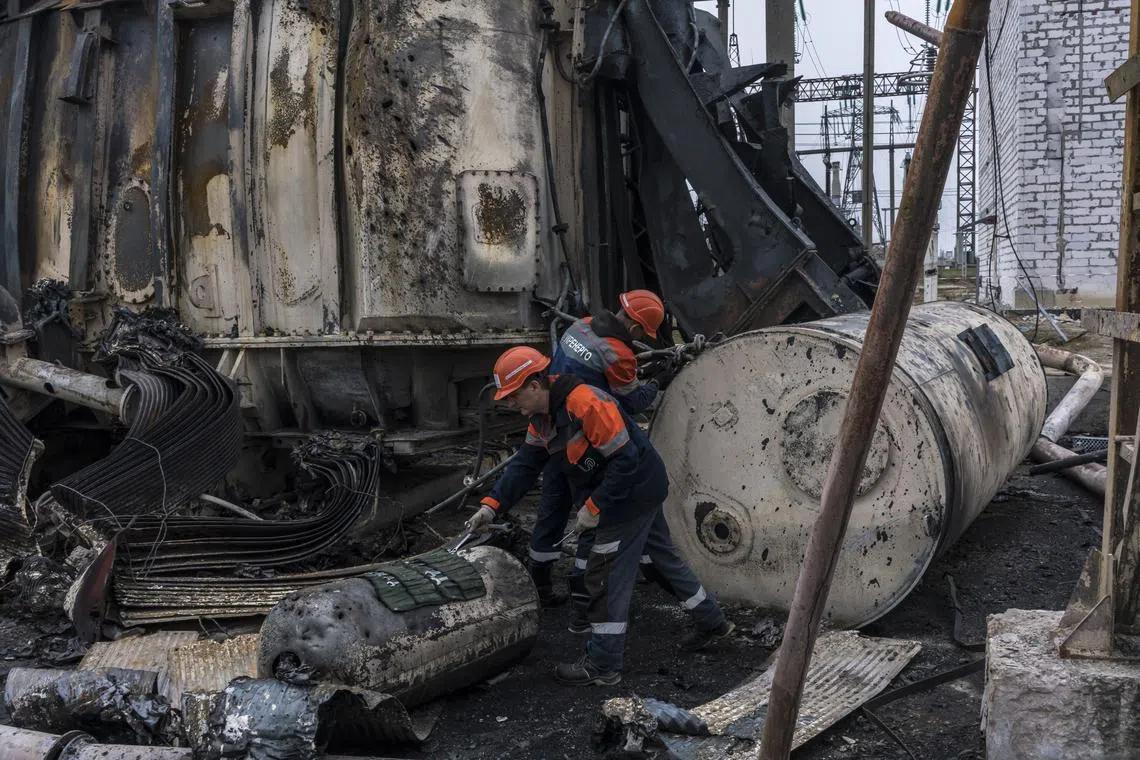
The latest Russian drone strikes in Ukraine also damaged critical infrastructure in the capital.
Kyiv Mayor Vitali Klitschko said an important infrastructure facility had been hit and warned that some areas could experience interruptions to electricity and water supplies.
The attacks formed part of a wider overnight assault. Ukraine’s Air Force said Russia launched 162 drones, including 74 jet-powered models. Ukrainian air defences intercepted or suppressed 141 of them.
The military also reported impacts at 13 locations and debris from intercepted drones at seven other locations.
These figures demonstrate the scale of the aerial campaign, although military claims from either side cannot always be independently verified during active hostilities.
Energy infrastructure faces renewed attacks
The Russian drone strikes in Ukraine have increased pressure on the country’s energy infrastructure as temperatures begin to fall.
Ukraine has repeatedly accused Moscow of targeting its electricity network, including substations and power lines. Kyiv says these attacks threaten essential services and make it more difficult to maintain electricity, heating and running water for civilians.
Russia’s Defence Ministry said its forces struck an electrical substation in Kyiv and a combined heat and power plant in the Bila Tserkva area, south of the capital.
The ministry described the facilities as military-related targets. Ukrainian authorities, meanwhile, warned of possible disruptions following the damage.
In Bila Tserkva, three people were wounded in an overnight attack, according to Ukraine’s State Emergency Service.
The latest Russian drone strikes in Ukraine have added to the workload of emergency responders and repair crews responsible for restoring damaged infrastructure.
The consequences of energy attacks can extend beyond the immediate location. Hospitals, water distribution systems, public transport and residential heating all depend on a reliable electricity supply.
Prolonged interruptions could therefore create additional difficulties for communities already living under repeated air-raid warnings.
Russia reports intercepting more than 1,200 Ukrainian drones
While Ukraine faced another wave of Russian attacks, Moscow reported intercepting a substantial number of Ukrainian drones overnight.
Russia’s Defence Ministry said its air defence systems destroyed 1,246 Ukrainian drones. The ministry described the figure as one of the highest totals reported since the full-scale invasion began in February 2022.
However, Russian officials did not disclose how many drones had originally been launched or how many may have reached their intended targets.
Moscow Mayor Sergei Sobyanin said 123 drones had been intercepted while approaching the Russian capital over an eight-hour period.
He also reported that 462 drones had approached the wider Moscow region since Friday evening, with most reportedly destroyed.
Russian regional officials reported additional drone activity in Rostov and Samara.
In Bryansk region, Governor Yegor Kovalchuk said a drone struck a company bus in the village of Klimovo, injuring nine people.
These statements were issued by Russian officials and were not independently verified in the available reporting.
The growing number of reported interceptions highlights how drone warfare has expanded beyond the front line. Both countries increasingly use uncrewed aircraft to reach military, industrial and infrastructure targets at considerable distances.
Ukraine reports strikes on Russian oil facilities
Ukraine has also continued targeting Russian energy infrastructure as part of its efforts to disrupt facilities connected to Moscow’s oil industry.
Ukraine’s Defence Ministry said its forces attacked three Russian energy facilities:
-
The Novoshakhtinsk oil refinery in Rostov region.
-
The Samara oil transportation and storage facility.
-
The Nurlino pipeline pumping station in Bashkortostan.
According to Ukraine’s Defence Ministry, the Novoshakhtinsk refinery had been hit for the second time in five days.
The full extent of the damage and its impact on operations had not been independently established at the time of reporting.
Russian authorities reported drone attacks in several regions but did not provide a complete public assessment of damage to all the facilities identified by Ukraine.
The latest Russian drone strikes in Ukraine and Ukrainian operations against Russian oil infrastructure demonstrate the expanding geographical and economic dimensions of the conflict.
Oil refineries and pipeline facilities are important to Russia’s energy industry, while Ukraine’s electricity network remains essential to civilian life and the functioning of its economy.
European security concerns grow as winter approaches
The Russian drone strikes in Ukraine come as the country prepares for another winter under continued military pressure.
Damage to electricity and heating infrastructure could increase humanitarian difficulties, particularly if repairs are delayed or further attacks occur.
For European governments, the developments reinforce concerns about Ukraine’s energy resilience, civilian protection and the wider security consequences of the conflict.
The European Union has continued providing financial, humanitarian and military assistance to Ukraine since Russia launched its full-scale invasion in February 2022.
The latest Russian drone strikes in Ukraine are likely to keep energy security and air-defence assistance high on the European political agenda.
Another concern is the increasing use of long-range drones. Their ability to reach industrial facilities, energy installations and populated areas means that the consequences of the war extend far beyond the immediate front line.
The attacks also demonstrate the difficulty of protecting infrastructure that serves both economic and civilian purposes. Industrial facilities, power stations and transport networks can support national economies while providing services essential to ordinary people.
The Russian drone strikes in Ukraine add to a pattern of sustained attacks in which both sides claim to target military or strategic infrastructure. Independent confirmation of damage and casualty figures remains difficult, making accurate attribution particularly important.
For residents in affected communities, the consequences are immediate: deaths, damaged workplaces, disrupted services and the continuing threat of further attacks.
With no comprehensive ceasefire in place, Ukraine’s emergency services and local authorities remain focused on responding to attacks, restoring damaged infrastructure and protecting civilians.