Brussels, Belgium, 8 November – Brussels Morning Newspaper – Brussels Education Unions are preparing for major demonstrations in the Belgian capital as teachers, students and trade union organisations intensify their opposition to education funding cuts and controversial government reforms.
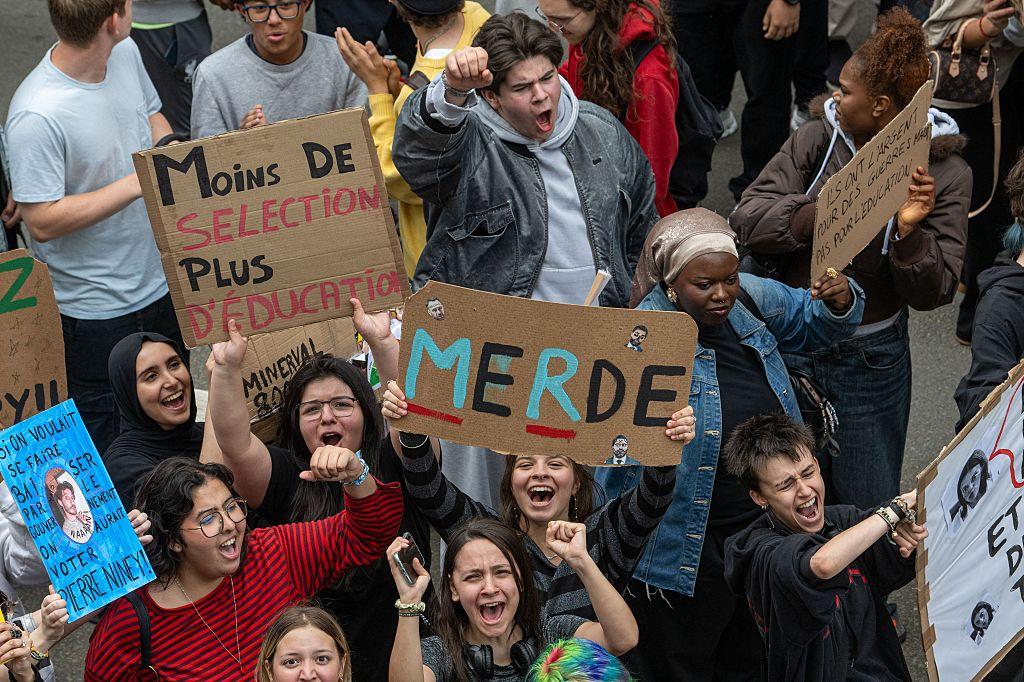
The latest mobilisation is scheduled for 17 November 2026, when students and union members are expected to gather in Brussels to demand stronger investment in French-speaking education. The planned demonstration follows months of disputes over teacher workloads, school resources and access to higher education.
The Christian trade union CSC has urged its members to join the student-led protest, while socialist union organisations have filed strike notices to support participating workers.
Education Unions Announce November Protest
The demonstration on 17 November will coincide with International Student Day and is being supported by the Fédération des étudiants francophones (FEF).
CSC-Enseignement has confirmed its participation, describing the mobilisation as an opportunity to defend accessible, high-quality education.
The union has raised concerns about insufficient investment in schools and universities, arguing that financial restrictions could worsen existing inequalities between students.
The FGTB-ABVV socialist union has also filed a strike notice covering members who participate in the demonstration. However, the number of workers expected to strike and the potential disruption to schools have not yet been confirmed.
Why Teachers Are Opposing Education Reforms
The dispute centres on education reforms introduced by the government of the Wallonia-Brussels Federation, which is responsible for French-speaking education in Brussels and Wallonia.
Among the most controversial measures is a 10% increase in teaching hours for upper secondary school teachers without additional salary compensation.
Other changes include stricter sick-leave arrangements and revised conditions for teachers approaching retirement.
Education unions argue that these measures could increase pressure on teaching staff while making the profession less attractive to new recruits.
The government, meanwhile, has defended its budget reforms as part of efforts to address financial pressures and control public spending.
Students Demand Better School Funding
Students have become increasingly involved in the demonstrations, expressing concern about the affordability and quality of education.
Their demands include improved school infrastructure, adequate classroom resources and greater financial support for students facing economic difficulties.
Higher education funding has emerged as another major issue, with student organisations opposing measures that could make university studies more expensive.
Union representatives argue that access to education should not depend on a student’s financial background.
These concerns have helped bring teachers, university students and other education workers together in a broader campaign against spending reductions.
Previous Protests Increase Pressure on Government
The November mobilisation follows several demonstrations across Brussels during 2026.
In April, thousands of education workers and supporters marched through the capital to protest against austerity measures affecting schools and other public services.
Further demonstrations took place in June after the French-speaking community parliament approved legislation introducing education spending cuts.
The protests continued into October, when teachers and students joined wider union action against government budget policies.
A national demonstration on 9 October attracted approximately 30,000 participants according to police figures, although unions reported higher attendance.
The gathering also resulted in clashes between some protesters and police, alongside disruption to public transport and other services.
Schools Could Face Further Disruption
The planned November demonstration raises questions about possible disruption to schools across Brussels.
Teachers who participate in industrial action may be unavailable for scheduled lessons, potentially affecting classroom activities and school operations.
However, the precise impact will depend on participation levels and decisions taken by individual educational institutions.
Parents and students are advised to follow announcements from their schools and education authorities as the protest approaches.
Union organisations have not yet confirmed the full scale of participation, making it difficult to determine how many schools could be affected.
Government Faces Growing Education Debate
The protests come amid a wider debate over public spending and the financial sustainability of Belgium’s education system.
Government authorities face pressure to manage budget deficits while maintaining essential public services.
Education unions maintain that reducing investment in schools could create longer-term problems, particularly in areas already facing teacher shortages and educational inequality.
The Wallonia-Brussels Federation government has previously highlighted measures intended to protect existing teachers’ salaries and support future recruitment.
Nevertheless, disagreements remain over whether the current reforms can deliver financial savings without affecting education quality.
What Happens Next?
The 17 November demonstration will be followed by another major national union mobilisation in Brussels on 23 November.
That gathering will bring together trade unions and civil society organisations campaigning over public spending, workers’ rights and living costs.
Further nationwide industrial action is also planned later in November.
For Brussels Education Unions, the immediate priority remains securing greater investment in education and renewed discussions over the contested reforms.
The coming demonstrations will provide another indication of the level of public and union opposition as Belgium’s education funding debate continues.