Brussels, Belgium, 8 November – Brussels Morning Newspaper – ULB student protesters were removed by Belgian police from a university building in Brussels on Saturday, November 7, 2026, ending more than two weeks of occupation at the Université Libre de Bruxelles (ULB).
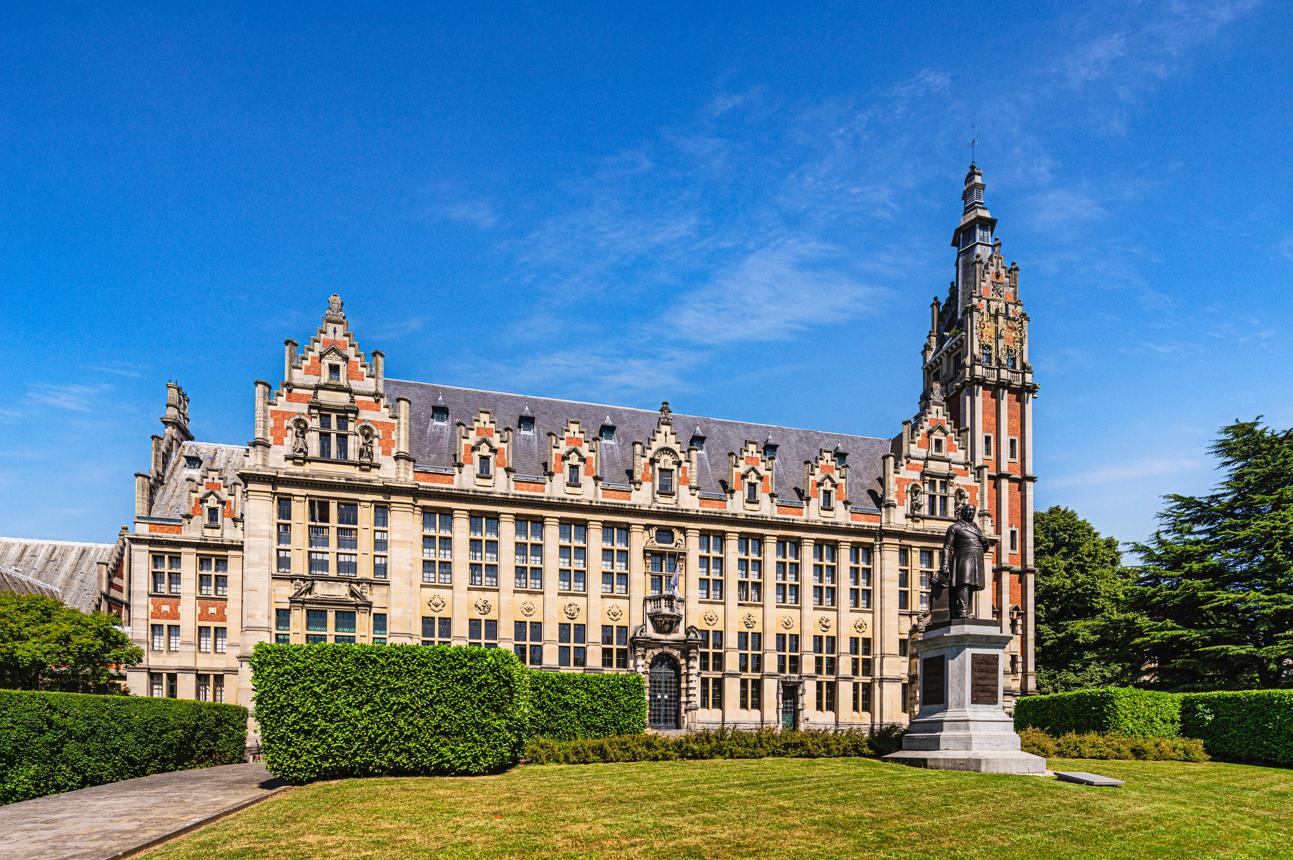
The police intervention took place at the P1 building on the university’s Solbosch campus, where students and activists had been occupying the premises since October 22. University authorities confirmed that officers entered the building after negotiations failed and a judicial authorisation was obtained.
The protesters had organised the occupation to highlight concerns about rising education costs, student living conditions, university partnerships and wider political issues. However, university officials accused some participants of damaging property, disrupting academic activities and displaying slogans encouraging violence.
Police Evict ULB Student Protesters From Solbosch Campus
The police operation began early Saturday morning following an ultimatum issued by university management.
ULB authorities had instructed protesters to leave the occupied building by Thursday, November 5. Although most participants reportedly departed voluntarily, a smaller group remained inside.
After efforts to resolve the dispute through negotiations failed, the university initiated legal proceedings to regain control of the premises.
Police subsequently entered the building with judicial approval, bringing the occupation to an end.
According to reports published on November 8, four judicial arrests were made during the operation. Police described the eviction as calm, without significant incidents.
Why Were Students Protesting at ULB University?
The occupation was organised by a student activist collective known as Occupation Autonome ULB.
Participants included university students, secondary school pupils and students from art institutions.
The protesters wanted to transform the P1 building into an open meeting space where students and social movements could organise activities, exchange ideas and discuss political concerns.
Their demands addressed several issues, including:
-
Rising university registration fees and financial pressure on students.
-
Concerns about student and university staff living conditions.
-
ULB’s cooperation with Israeli institutions and the defence industry.
-
Greater opportunities for student activism and political participation.
-
Opposition to perceived restrictions on demonstrations and social movements.
The collective reportedly submitted approximately 30 demands to university management.
During the occupation, activists renamed the building after Aïcha Aboubaïa, a Palestinian student from Gaza who had encountered difficulties obtaining permission to travel to Belgium for her studies.
University Rector Condemns Vandalism and Disruption
ULB Rector Annemie Schaus strongly defended the university’s decision to request police intervention.
She argued that the occupation had moved beyond peaceful demonstration and had interfered with the university’s responsibility to provide education and maintain a safe academic environment.
According to Schaus, protesters had entered private offices, damaged university property and obstructed normal educational activities.
She also condemned graffiti containing hateful messages and explicit calls for violence.
The rector maintained that university management had repeatedly attempted to reach a negotiated settlement before pursuing legal action.
She stressed that legitimate demonstrations should remain possible on campus, while arguing that protest activity cannot justify intimidation, property damage or interference with academic operations.
University officials also emphasised that the remaining occupiers represented only a small minority of the wider student community.
Student Activists Criticise Police Intervention
The ULB student protesters confirmed their removal through social media and activist support networks.
Members of the occupation movement maintained that their demonstration was intended to create a space for political discussion and collective organisation.
They also disputed the university’s suggestion that they had been unwilling to engage in dialogue.
Activists reported that several participants were detained during the police operation, raising further concerns among supporters about the authorities’ response to student demonstrations.
The eviction highlights disagreements over the boundaries of campus protest, particularly when demonstrations involve the occupation of university facilities.
While university management insists that academic activities must be protected, student activists argue that universities should provide space for political expression and social mobilisation.
Previous Student Protests at ULB in Brussels
This is not the first time the Université Libre de Bruxelles has experienced a prolonged student occupation.
In May 2024, students occupied another university building in solidarity with Palestinians amid the conflict in Gaza.
That demonstration continued for more than a month before police intervened to remove participants.
The latest occupation reflects continuing tensions surrounding international politics, university governance and the role of student activism in Belgian higher education.
It also demonstrates how disputes over education policy can become connected with broader debates about international solidarity and social justice.
What Happens Next at ULB University?
Following the eviction, university authorities announced plans to secure, inspect and restore the P1 building.
The immediate priority is to allow academic activities to resume as quickly as possible after the disruption caused by the occupation.
University management thanked students, teaching staff and employees who had been affected by the protest.
Although the physical occupation has ended, the underlying disagreements over student demands, university partnerships and the limits of campus demonstrations remain unresolved.
The removal of ULB student protesters marks the end of a significant confrontation at the Brussels university, but the wider debate over student rights and university responsibilities is likely to continue.