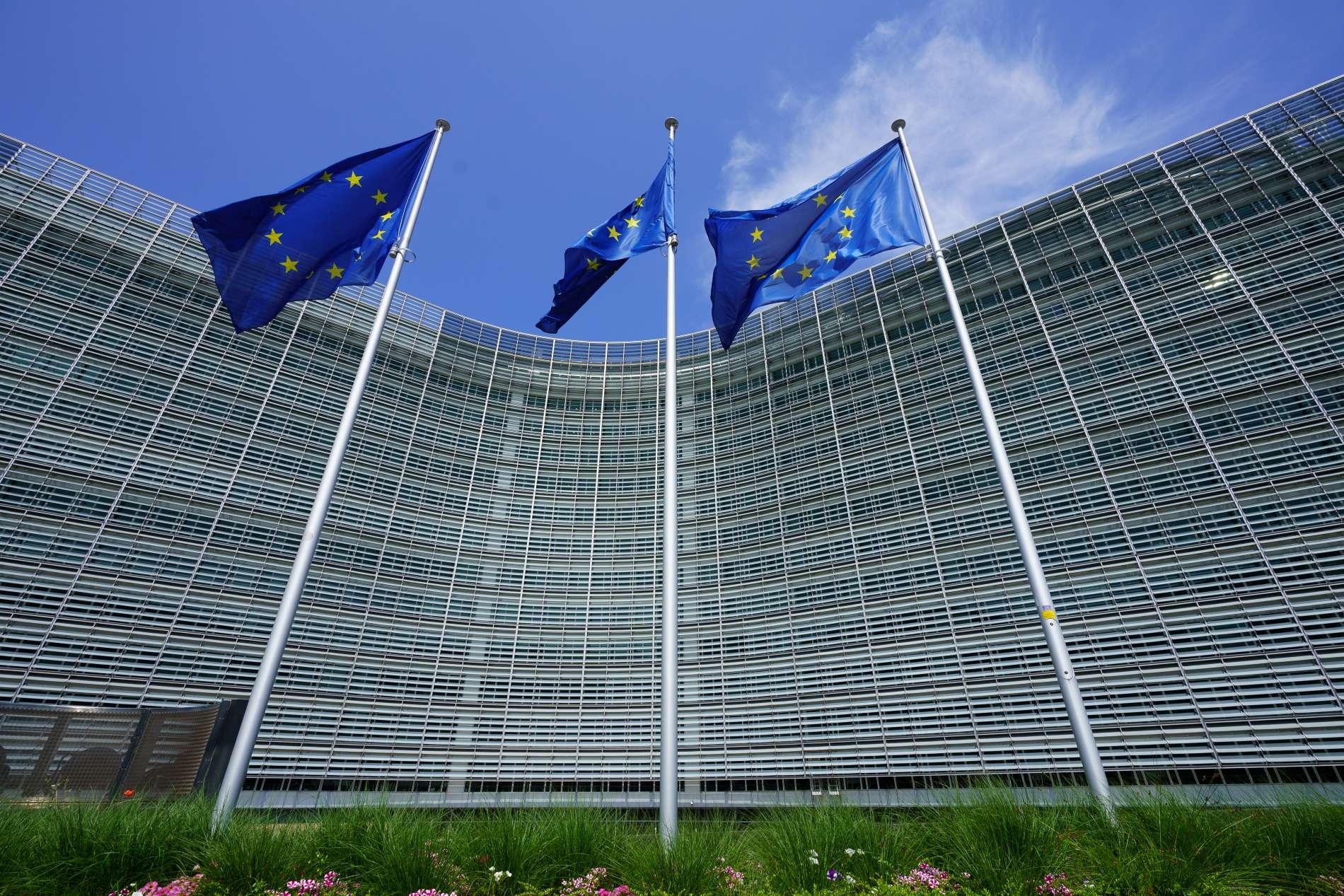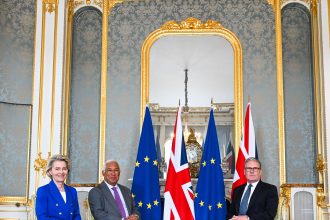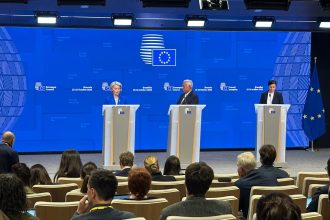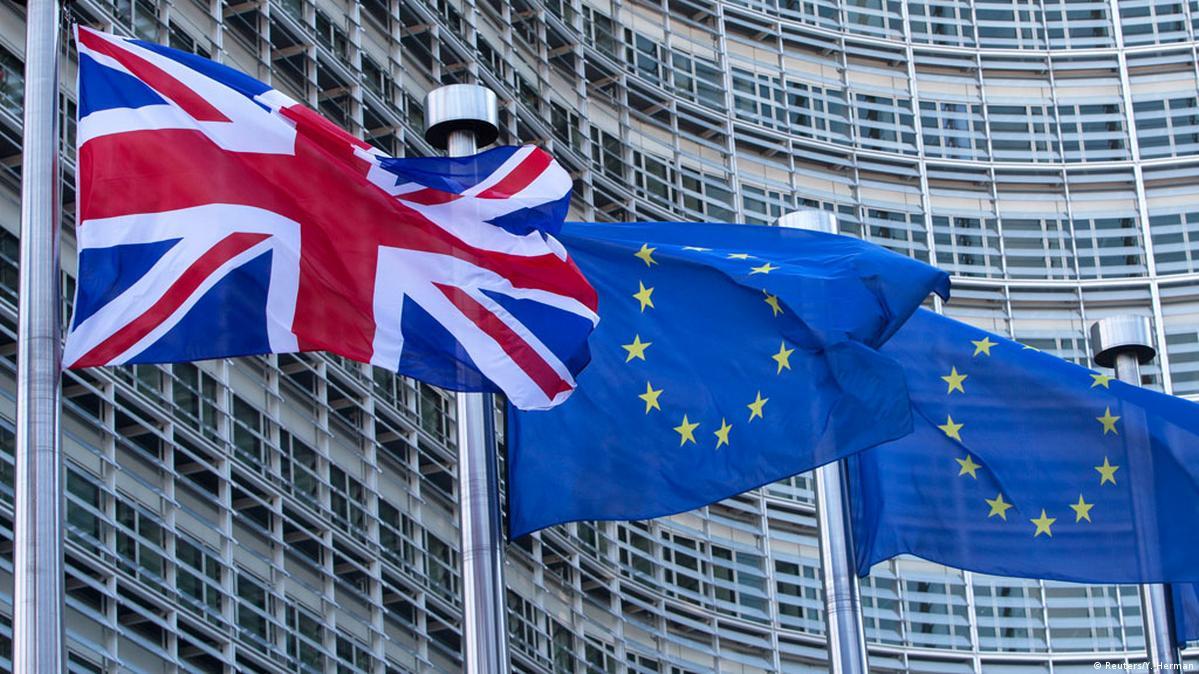
Brussels, Belgium, 8 November – Brussels Morning Newspaper – Five European Union leaders have urged stronger relations with Britain, calling for closer cooperation on clean energy, electricity trading and economic ties ahead of a major EU-UK summit in Brussels on November 20, 2026.
- Five European Countries Push for Stronger EU-UK Relations
- Clean Energy Cooperation Takes Centre Stage
- Brussels Summit Scheduled for November 20
- Financial Disagreements Could Complicate Negotiations
- Brexit Continues to Shape Britain’s European Relations
- What Stronger EU-UK Cooperation Could Mean for Europe
Five European Countries Push for Stronger EU-UK Relations
The leaders of Germany, Belgium, the Netherlands, Luxembourg and Denmark have called for deeper cooperation between the European Union and the United Kingdom as both sides prepare for a significant diplomatic meeting.
In a joint letter addressed to European Commission President Ursula von der Leyen and European Council President António Costa, the five leaders highlighted the economic and environmental benefits of strengthening relations with Britain.
The initiative comes as European governments seek greater energy security, improved trade arrangements and stronger partnerships following Brexit.
The letter was signed by German Chancellor Friedrich Merz, Belgian Prime Minister Bart De Wever, Dutch Prime Minister Rob Jetten, Luxembourg Prime Minister Luc Frieden and Danish Prime Minister Mette Frederiksen.
Clean Energy Cooperation Takes Centre Stage
One of the main priorities is accelerating Britain’s return to the EU’s internal electricity market.
The five leaders believe closer integration would help European countries develop renewable energy infrastructure, particularly offshore wind projects in the North Sea.
Britain and nine other European countries previously agreed to accelerate offshore wind development during the 2030s and establish a more interconnected North Sea electricity network.
However, Britain’s departure from the EU electricity market has created additional trading barriers and costs.
The European leaders argue that closer cooperation could improve electricity trading, support renewable energy investment and contribute to more stable energy prices.
They also see the North Sea as a potential major international centre for clean energy production.
Brussels Summit Scheduled for November 20
British Prime Minister Andy Burnham is expected to meet Ursula von der Leyen and António Costa in Brussels on November 20.
The summit will focus on strengthening economic cooperation and addressing unresolved issues affecting relations between Britain and the European Union.
Several agreements are expected to be discussed, including measures concerning agricultural trade, carbon emissions and youth exchanges.
Both sides also intend to review progress since the first EU-UK summit in London in May 2025.
According to the British government, the meeting will seek practical solutions to reduce trade barriers, support businesses and improve economic opportunities.
Financial Disagreements Could Complicate Negotiations
Despite growing political support for closer relations, significant challenges remain.
One major disagreement concerns the financial contribution Britain may need to make to participate in the EU electricity market.
European officials have indicated that Britain could be required to contribute to EU cohesion funds, which support economic development in less prosperous European regions.
British officials have expressed concerns about arrangements that could involve taxpayer contributions to infrastructure projects outside the United Kingdom.
Similar financial disagreements previously complicated negotiations over British participation in European defence funding.
The outcome of electricity market negotiations could therefore depend on whether both sides can agree on a financial framework acceptable to their governments.
Brexit Continues to Shape Britain’s European Relations
The renewed push for cooperation comes amid continuing debate about Britain’s long-term relationship with the European Union.
Since leaving the bloc in 2020, the United Kingdom has faced new administrative requirements and trading arrangements affecting businesses operating across European borders.
Supporters of closer integration argue that reducing these barriers could strengthen economic growth and improve competitiveness.
Meanwhile, questions remain over how far Britain should align with EU regulations and financial commitments.
The British government has indicated that it is examining several options for its future relationship with Europe, including closer economic integration.
However, deeper cooperation in individual sectors does not automatically mean Britain will return to full EU membership.
What Stronger EU-UK Cooperation Could Mean for Europe
Closer cooperation between Britain and the European Union could have important implications for businesses, consumers and energy markets.
More integrated electricity trading could help renewable energy producers sell power across borders more efficiently, while reducing some of the costs associated with fragmented energy markets.
Improved trade agreements could also benefit agricultural producers, food exporters and companies operating in both markets.
Nevertheless, the potential benefits will depend on the final terms of any agreements and how quickly they are implemented.
The November 20 summit will provide an important opportunity to determine whether the political support expressed by the five European leaders can translate into concrete commitments.
For now, the initiative signals growing interest among several EU governments in rebuilding practical cooperation with Britain while addressing the economic challenges left by Brexit.