
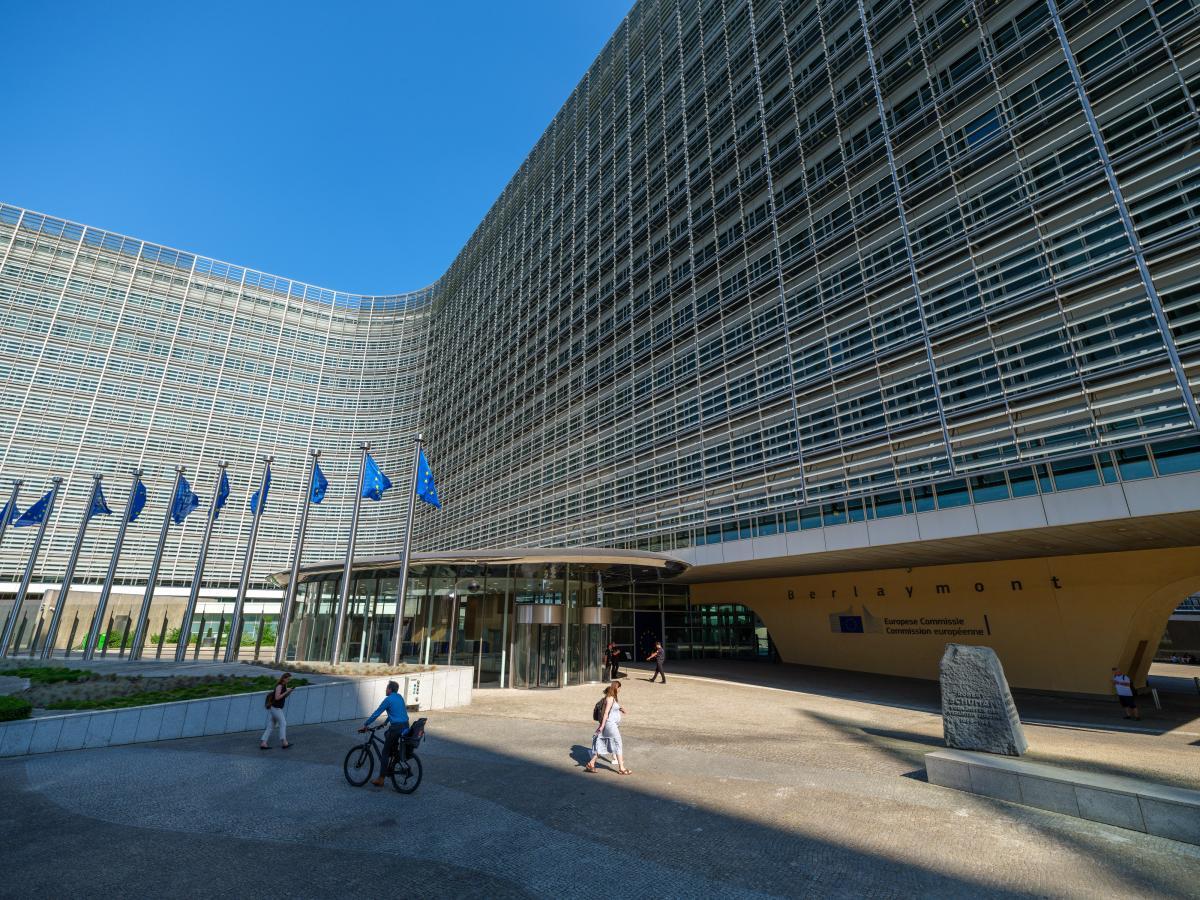
The Roma Foundation for Europe said it welcomes the improvements noted by the European Commission’s 3rd implementation report on the EU Roma Strategic Framework in national monitoring of Roma inclusion.
But the Foundation also warns that school segregation, discrimination and housing insecurity “remain persistent challenges.”
The report covering June 2023 to March 2025 noted that almost all countries with significant Roma populations exhibit progress on Roma inclusion and participation, including improvements in how Member States monitor their national Roma strategies.
However, the Foundation warned that better monitoring must translate into meaningful improvements in the lives of Roma.
“Progress remains stalled in key areas, including discrimination, school segregation, overcrowded housing and the gender employment gap. According to FRA’s Roma Survey 2024, 46% of Roma children in the surveyed countries attend segregated schools, compared with 44% in 2016. Bulgaria, Hungary, Czechia and Greece have the highest rates. Discrimination in contact with schools has also doubled, from 7% to 14%“, said Neda Korunovska, vice president for analytics and results at the Roma Foundation for Europe.
The Foundation pointed out the recent developments that “expose the gap between political commitments and national action.”
In April 2025, the demolition of homes in Sofia’s Zaharna Fabrika neighbourhood, despite an interim measure from the European Court of Human Rights, left around 200 people homeless. In Slovenia, the November 2025 Šutar law expanded police powers and restrictions on social benefits following a killing in Novo Mesto. It was widely criticised as targeting Roma,said the Foundation.
However, it noted there are successful approaches governments can build on. Bulgaria’s move to establish more than 1,300 permanent, state-funded education mediator posts is a concrete step. The Roma Education Fund’s scholarships, mentoring and tutoring offer a practical model, while the Roma Entrepreneurship Development Initiative (REDI) provides an example of support for Roma entrepreneurs, says the Foundation.
The Foundation calls on the European Commission to protect dedicated Roma funding in the 2028–2034 national partnership plans, with explicit allocations and safeguards. It should also work with Eurostat and FRA to measure meaningful outcomes, not just activities, and give Roma clear political backing.
Korunovska said, “Executive Vice-President Mînzatu was right to say that a fairer future for Roma is essential for the whole of the EU. The next budget should reflect that, and the Commission now has to make the same case to national governments.
“As a European minority with no nation state of their own, Roma have a particular need for that support. The Commission must keep Roma rights on the European political agenda, particularly when national governments fail to protect them,” said Korunovska.