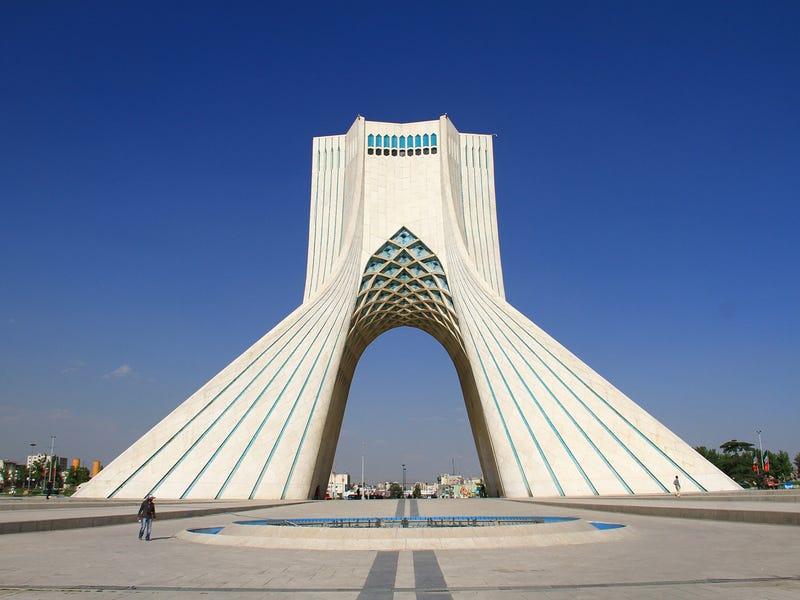
The recent meeting in Tehran, attended by senior representatives from Iran, Saudi Arabia, Pakistan, and Turkey, cannot be regarded as merely another routine diplomatic gathering. It took place at a time when the Middle East is facing a complex combination of political, security, and military crises, while concerns over the possible expansion of regional conflicts are increasingly shaping the strategic calculations of governments across the region.
The significance of this meeting lies not simply in the official statements or the photographs of participating officials, but rather in the composition of the delegations and the circumstances that brought these countries to the negotiating table. Iran and Saudi Arabia, which have experienced years of political and security rivalry, are now engaging alongside Pakistan and Turkey in discussions aimed at exploring ways to manage regional tensions.
The presence of senior security and military officials also carries a clear message: the agenda extends beyond conventional diplomatic relations. Regional security, the future of ongoing conflicts, and preventing further escalation appear to be central concerns. However, one fundamental question remains: Can Tehran become the starting point for a new regional security understanding, or is this meeting primarily an attempt to prevent existing crises from escalating further?
Tehran: Where the Need for Dialogue Takes Precedence Over Differences
To understand the significance of the Tehran meeting, it is necessary to examine the circumstances that brought these four countries together. The Middle East has witnessed growing military tensions, geopolitical competition, and shifts in the regional balance of power in recent years. Conflicts involving Iran, Israel, and the United States, developments in Yemen, the situations in Iraq and Lebanon, and concerns over the security of the Persian Gulf have created a series of challenges whose consequences extend far beyond individual countries.
Under these circumstances, maintaining the status quo would carry significant costs for every regional actor. Iran faces political and security pressures and is seeking to prevent the expansion of confrontation. Saudi Arabia, despite its considerable economic and military capabilities, understands that a wider conflict in the Persian Gulf could jeopardize its economic development plans and investment ambitions. Pakistan is concerned about instability spreading into its neighbourhood, while Turkey is equally unwilling to see regional crises undermine its economic interests, border security, and political standing. The Tehran meeting should therefore be understood as the outcome of overlapping concerns. Despite their differences, the participating countries increasingly recognize the need for dialogue.
Saudi Arabia: Between Security Imperatives and Strategic Considerations
The presence of Saudi Arabia’s defence minister in Tehran was one of the most significant aspects of the meeting. Politically, this is important because it demonstrates that Riyadh, despite its existing differences with Tehran, continues to regard diplomatic engagement as necessary for managing security challenges. Saudi foreign policy has undergone a degree of reassessment in recent years. The kingdom has sought to maintain its defence partnerships with international powers while avoiding costly regional conflicts and creating a more stable environment for economic development.
This approach does not mean that Saudi Arabia has abandoned its concerns regarding Iran. Disagreements over Yemen, maritime security, missiles, drones, and the role of non-state actors in regional conflicts remain sensitive issues in bilateral relations. However, one reality is increasingly difficult to ignore: Saudi Arabia cannot make decisions about lasting security in the Persian Gulf without taking Iran’s role into account. Likewise, Iran cannot pursue a stable regional order without considering the security concerns of its Arab neighbours. From this perspective, Riyadh’s participation in the Tehran meeting can be viewed as an expression of political pragmatism: deep disagreements do not necessarily prevent dialogue. Nevertheless, this visit should not be interpreted as evidence that all differences have been resolved or that Saudi Arabia has fundamentally changed its foreign policy. Riyadh continues to rely on its defence partnerships with international and regional allies and will seek to preserve its strategic balance.
Pakistan: Mediation in the Service of National Interests
Pakistan occupies a distinctive position in this equation. It shares a border with Iran while maintaining close political and defence relations with Saudi Arabia. Its ties with Turkey also give Islamabad a position from which it can potentially facilitate communication among these countries. For Pakistan, an escalation of tensions between Iran and Arab countries is not a distant concern. A wider regional crisis could directly affect its border security, foreign trade, energy supplies, and already challenging economic conditions.
Consequently, Pakistan’s mediation efforts should not be viewed solely as a diplomatic initiative or an expression of regional solidarity. Above all, they are closely connected to Islamabad’s national interests. On the one hand, Pakistan wants to preserve its strategic relationship with Saudi Arabia. On the other, it does not want its relations with Iran to become a casualty of regional rivalries. Pakistan is also seeking to strengthen its position as an influential diplomatic actor. At a time when communication channels between several regional and international powers face serious difficulties, such a role could provide Islamabad with considerable political leverage. However, Pakistan’s success will depend on the degree of trust that Tehran and Riyadh place in its mediation efforts. Mediation can only be effective if neither side feels that its interests are being overlooked.
Turkey: A Regional Actor Unwilling to Be Sidelined
The participation of a senior Turkish security official also highlights the importance Ankara attaches to this meeting. Turkey has sought to expand its influence in Middle Eastern affairs in recent years. It maintains political and economic relations with Iran, cooperates with Saudi Arabia in various fields, and enjoys close defence and strategic ties with Pakistan. Ankara is directly affected by regional instability. Crises in Syria, Iraq, and the Persian Gulf influence its border security, trade, and geopolitical position.
At the same time, as a NATO member, Turkey maintains extensive security relations with the West and cannot ignore its strategic considerations regarding the United States and Europe. Turkey’s policy should therefore be understood as an attempt to maintain a balance among several competing interests. The presence of a senior Turkish intelligence official in Tehran also highlights the security dimension of the discussions, although no definitive conclusions about confidential negotiations can be drawn without credible evidence.
Iran and the Concept of Regional Security: An Opportunity Accompanied by Challenges
One of the central elements of Iran’s position is the principle that regional security should be ensured by countries within the region themselves, with reduced dependence on external powers. Tehran has long argued that the American military presence in the Persian Gulf has not resolved regional disagreements and, at times, has contributed to greater security complications. This position has been a longstanding feature of Iranian foreign policy. However, Arab countries, particularly Saudi Arabia, the United Arab Emirates, and Bahrain, have important questions regarding territorial security, missile threats, drone attacks, and the activities of armed groups across the region.
This difference in how threats are defined represents one of the principal obstacles to establishing a shared regional security system. Iran emphasizes protection against foreign intervention, while Arab governments stress the need for practical guarantees against threats to their territory and infrastructure. The reality is that no sustainable security framework can be built exclusively around the perspective of one side. If regional security is to become a shared concept, the concerns of all participating countries must be taken into account. Otherwise, the idea of collective security risks remaining little more than a political slogan.
The Mecca Defence Agreement: Security Cooperation or the Emergence of a New Regional Balance?
One important issue in the background of the Tehran meeting is defence cooperation between Saudi Arabia, Pakistan, and Turkey.
These three countries have sought to strengthen their military and security cooperation through their defence agreement. For Saudi Arabia, such cooperation could provide an additional instrument for strengthening its defence capabilities. For Pakistan and Turkey, it offers opportunities to expand military and political partnerships. However, the simultaneous presence of these three countries in Tehran raises an important question: Can their defence cooperation coexist with a broader regional security framework that also includes Iran?
The answer remains unclear.
On the one hand, stronger defence cooperation between countries does not necessarily imply hostility towards other regional actors. On the other, if the objectives of such arrangements are not clearly defined, countries outside the framework may perceive them as the formation of a new security bloc. The future of this cooperation will therefore depend on transparency, confidence-building, and the development of a shared understanding of regional threats.
Yemen: The Sensitive Point in Tehran–Riyadh Relations
If one issue continues to have a particularly significant impact on the future of relations between Iran and Saudi Arabia, it is the conflict in Yemen. Saudi Arabia considers the security of its borders and infrastructure a vital national interest and remains concerned about missile and drone attacks by the Houthis. Iran, meanwhile, maintains its political support for regional resistance movements and disagrees with Saudi Arabia’s interpretation of its regional role.
However, the Yemeni crisis is far more complicated than a dispute that can be understood solely through the relationship between Tehran and Riyadh. Yemeni forces have their own political and military calculations, and the country’s future depends on numerous domestic and regional factors. For this reason, any understanding between Iran and Saudi Arabia aimed at reducing tensions must be accompanied by political efforts and negotiations among Yemeni parties. If the two countries can reach an understanding on preventing attacks and reducing tensions, this could become a practical indication of the success of regional diplomacy.
The Strait of Hormuz: A Geography of Shared Interests and Concerns
The security of the Strait of Hormuz is another issue that directly connects the interests of Iran and Arab countries. The waterway is one of the world’s most important energy transit routes, and any disruption could have far-reaching consequences for the global economy. Because of its geographical position along the northern side of the strait, Iran plays a significant role in its security calculations. Saudi Arabia, as one of the world’s largest oil producers and exporters, is also heavily dependent on the security of its export routes.
Pakistan and Turkey would likewise be affected by rising energy prices and disruptions to regional trade. Under these circumstances, maritime security should evolve from a purely military issue into a shared economic and political priority. Guaranteeing freedom of navigation, preventing attacks on commercial vessels, protecting energy infrastructure, and establishing emergency communication channels could provide practical areas for cooperation. However, achieving such an understanding would require political disagreements not to obstruct cooperation on shared interests.
Iranian and Arab Media: Two Narratives of the Same Meeting
The way the Tehran meeting has been covered by Iranian and Arab media is also noteworthy. Iranian state media have generally emphasized regional cooperation, reducing foreign intervention, and establishing an independent regional security framework. In this narrative, the meeting is presented as an opportunity to strengthen Iranian diplomacy and expand cooperation with neighbouring countries. Arab media, particularly Saudi outlets, have focused not only on the diplomatic significance of the meeting but also on Saudi security concerns and the need for guarantees against attacks.
Qatari media have generally highlighted mediation efforts and the importance of preventing further escalation. Turkish media have approached the issue from the perspective of Ankara’s regional interests and the need to strengthen political and security cooperation. These differences in media coverage demonstrate that although the four countries participated in the same meeting, they do not necessarily share identical interpretations of its objectives or outcomes. For a political analyst, these differences are particularly important. The success of diplomacy becomes evident only when governments move beyond expressing their individual concerns and begin developing a shared understanding of security.
Can the Tehran Meeting Become the Beginning of a New Regional Security Order?
The answer will depend on future developments. The Tehran meeting does not, in itself, represent the creation of a new security pact. Nor does an agreement to continue dialogue amount to a comprehensive understanding on regional security issues. Nevertheless, the fact that such a meeting took place amid heightened regional tensions should not be underestimated. Despite their significant differences, the four countries appear to recognize that maintaining the current situation could impose greater costs on all of them.
This reality could provide the foundation for a new diplomatic process, one that, if sustained, may create opportunities to address maritime security, non-aggression arrangements, military de-escalation, and economic cooperation. However, the obstacles remain substantial: disagreements over the roles of the United States and Israel, the issue of armed groups, the conflict in Yemen, geopolitical competition, and the absence of full trust among the parties. Overcoming these obstacles will require sustained dialogue and gradual agreements.
Diplomacy Against the Logic of Confrontation
The Tehran meeting should be viewed as an attempt to manage a crisis at one of the most sensitive moments in the region’s recent history.
Iran, Saudi Arabia, Pakistan, and Turkey each entered the discussions with their own calculations and interests. Yet one important consideration connects them: none of these countries stands to gain significantly from the expansion of a regional war. For Iran, reducing tensions with its neighbours could help ease security pressures and expand economic relations. For Saudi Arabia, regional stability is a prerequisite for its economic and development ambitions. Pakistan seeks to prevent a crisis from spreading to its borders and economy, while Turkey does not want regional developments to undermine its political position and economic interests. Nevertheless, it would be unrealistic to expect a single diplomatic meeting to resolve deep-rooted and historical disagreements. The central issue is no longer simply that four countries sat around the same table in Tehran. The real question is whether they can translate their discussions into practical understandings that improve the security of all parties.
The real significance of the Tehran meeting appears to lie in the opening of a diplomatic window between actors that have serious disagreements but also recognize the costs of continued confrontation. If this process leads to practical and implementable agreements, it could mark the beginning of a new phase in regional relations. Otherwise, the Tehran meeting may become yet another diplomatic initiative in the long history of Middle Eastern tensions.
Ultimately, the future of regional security will not be determined by joint statements, but by the extent to which countries honour their commitments, respect one another’s national sovereignty, and demonstrate the ability to transform disagreements into dialogue.