
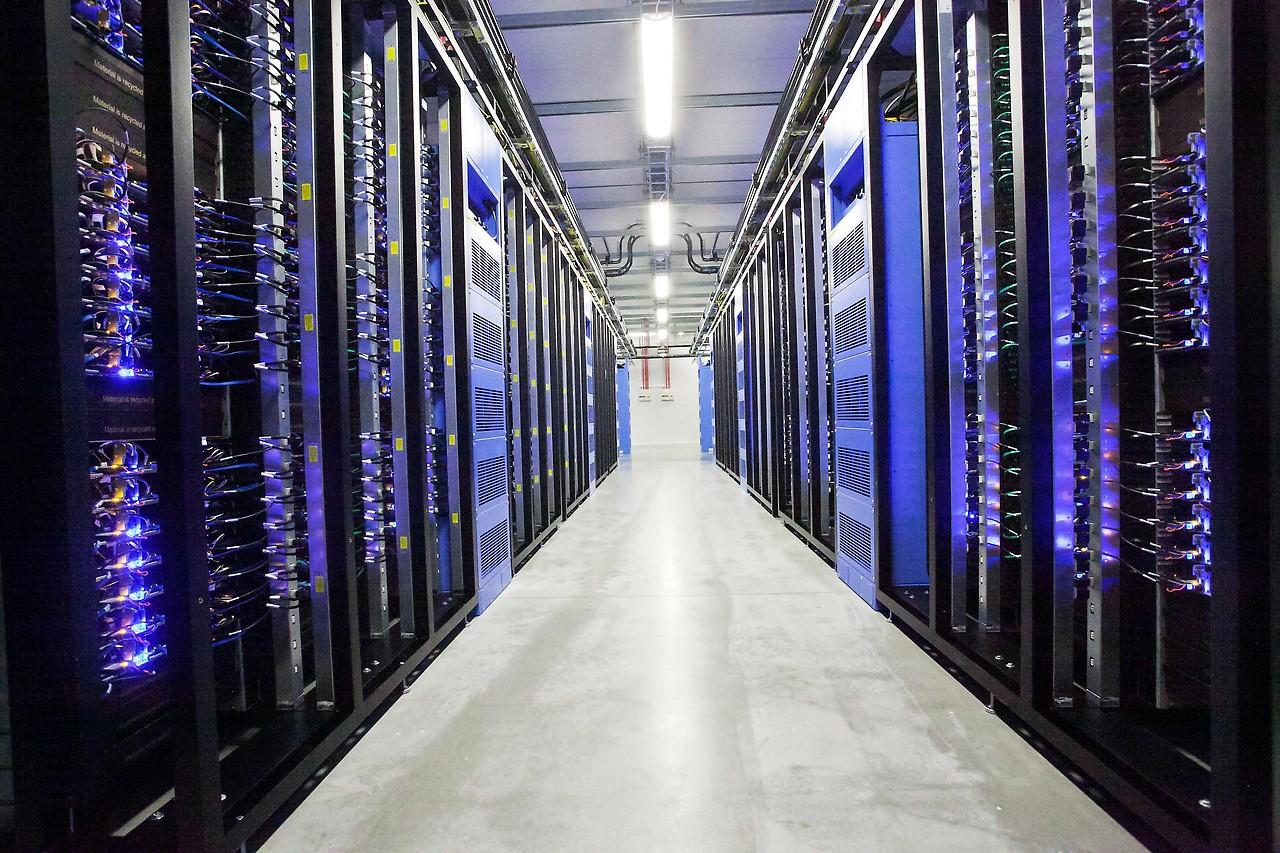
Brussels, Belgium, 29 October, (Brussels Morning Newspaper) – Brussels electricity demand is facing renewed scrutiny after projections indicated that a major data centre in Neder-Over-Heembeek could consume approximately 3% of the Belgian capital’s annual electricity supply during its first operational phase. The figures have raised concerns among regional politicians about energy infrastructure, environmental sustainability and the growing power requirements of digital technology.
The KevlinX BRU01 facility is projected to consume approximately 140 gigawatt-hours (GWh) of electricity annually during its initial phase. The figures emerged in a parliamentary response dated 19 October and were subsequently reported by Belgian news outlet BRUZZ.
The development highlights the challenge of balancing investment in digital infrastructure with the region’s electricity capacity and environmental commitments.
Brussels Electricity Demand Faces Pressure From Data Centre Expansion
The KevlinX BRU01 facility was completed in late 2025 and is being developed in two phases.
The initial phase provides approximately 16 megawatts (MW) of IT capacity, while a second phase is expected to add another 16 MW no earlier than 2028.
Annual water consumption during the first phase is estimated at approximately 140,000 cubic metres, adding to concerns about the environmental impact of large-scale computing infrastructure.
Brussels parliamentarian Lotte Stoops, representing the Groen party, has questioned whether regional authorities have sufficiently assessed the consequences of allocating substantial electricity capacity to data centres.
She raised concerns about how growing demand could affect long-term infrastructure planning, particularly as hospitals, public transport systems and electric vehicle charging networks also require reliable electricity supplies.
Brussels Government Highlights Energy Efficiency Measures
Brussels State Secretary Audrey Henry, representing the Reformist Movement (MR), defended the project’s energy efficiency in her parliamentary response.
According to the figures provided, the facility’s first phase has a Power Usage Effectiveness (PUE) rating below 1.2, indicating relatively efficient electricity use compared with conventional data centre operations.
The installation also has a reported Water Usage Effectiveness rating below one.
Regional authorities confirmed that KevlinX had signed a memorandum of understanding with electricity distribution operator Sibelga to explore recovering waste heat for a potential district heating network.
Environmental permit conditions require the installation to be designed so that at least 75% of its waste heat can be recovered.
However, the proposed heating arrangement does not establish that an operational heat recovery network is already in place.
European Data Centre Growth Creates Energy Challenges
The concerns in Brussels reflect wider developments across Europe, where artificial intelligence, cloud computing and digital services are increasing demand for data processing infrastructure.
European Commission estimates have projected that data centres could account for approximately 3% of electricity generation across the European Union in 2025.
The expansion of digital infrastructure presents opportunities for technological development and investment but also requires careful planning of electricity networks, cooling systems and water resources.
For Brussels, these challenges are particularly significant because of competing demands on infrastructure within a densely populated urban region.
What Happens Next for Brussels Energy Infrastructure?
The planned second phase of the KevlinX development is not expected before 2028, providing regional authorities with an opportunity to review future electricity requirements.
Lawmakers have called for clearer policies covering water consumption, cooling technologies and the practical recovery of waste heat.
The projected electricity use does not establish that the facility has caused power shortages or increased household energy bills.
Nevertheless, the debate surrounding Brussels electricity demand is expected to remain relevant as policymakers consider how to accommodate expanding digital infrastructure while protecting essential services and meeting environmental objectives.
Sources: Brussels parliamentary response dated 19 October 2026; BRUZZ reporting dated 26 October 2026; European Commission data centre energy assessments.