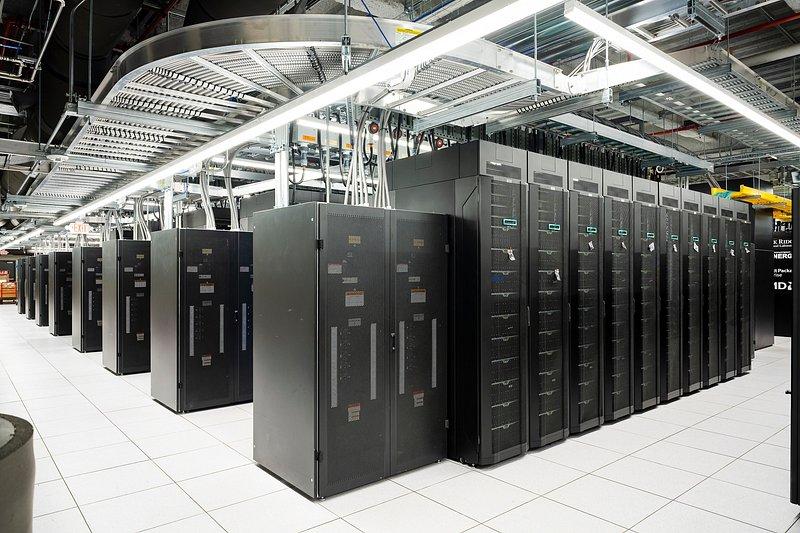
Brussels, 26 October, (Brussels Morning Newspaper) – A major Brussels data centre development in Neder-Over-Heembeek has prompted growing concerns over electricity consumption, water demand and pressure on the Belgian capital’s energy infrastructure. Figures disclosed in a regional parliamentary response indicate that the KevlinX BRU01 facility could consume approximately 140 gigawatt-hours of electricity annually during its initial operational phase, equivalent to roughly 3% of Brussels’ total electricity consumption.
- KevlinX Data Centre Faces Scrutiny Over Electricity Demand
- Brussels Government Responds to Energy and Water Concerns
- Data Centre Expansion Adds Pressure to Brussels Infrastructure
- Waste Heat Recovery Offers Potential Environmental Benefits
- EU Introduces Stronger Data Centre Sustainability Measures
- What Happens Next for Brussels Data Centre Development?
The figures have renewed questions about how Brussels can accommodate expanding digital infrastructure while maintaining reliable energy supplies and meeting environmental objectives.
KevlinX Data Centre Faces Scrutiny Over Electricity Demand
The KevlinX BRU01 facility has an initial planned IT capacity of 16 megawatts, with a second phase potentially adding another 16 megawatts.
The first phase is expected to require approximately 140 gigawatt-hours of electricity annually and an estimated 140,000 cubic metres of water.
The second phase is not expected to enter operation before 2028.
These projections demonstrate the substantial infrastructure requirements associated with modern computing facilities supporting artificial intelligence, cloud services and digital communications.
Although data centres provide essential services to businesses and public institutions, their expanding electricity requirements are becoming an important consideration for regional energy planning.
Brussels Government Responds to Energy and Water Concerns
Brussels parliamentarian Lotte Stoops of Groen raised questions about the facility’s environmental impact and resource requirements.
In a parliamentary response dated 19 October, regional State Secretary Audrey Henry provided information about the project’s expected consumption and efficiency.
The facility’s first phase reportedly has a Power Usage Effectiveness rating below 1.2, indicating relatively efficient energy use compared with the additional electricity required for cooling and supporting infrastructure.
Its reported Water Usage Effectiveness figure is below 1.
However, efficiency measurements do not eliminate concerns about the overall scale of resource consumption.
Stoops has called for a clearer regional framework covering electricity connections, water use and opportunities to recover waste heat.
Data Centre Expansion Adds Pressure to Brussels Infrastructure
KevlinX confirmed in January 2026 that BRU01 was operational and available to customers, with an initial computing capacity of 16 megawatts and an expansion pathway towards 32 megawatts.
The company has described the facility as designed for high-density computing and artificial intelligence workloads.
The development reflects increasing demand for digital infrastructure across Europe, but also raises questions about how much additional electricity capacity the region can accommodate.
Waste Heat Recovery Offers Potential Environmental Benefits
Regional authorities have identified waste heat recovery as one possible way to reduce the facility’s environmental impact.
KevlinX has signed a protocol agreement with Brussels electricity distributor Sibelga concerning potential integration into a future heating network.
The environmental permit also requires installations to be designed so that at least 75% of waste heat can be recovered.
However, a detailed implementation timetable for heat reuse has not been confirmed.
EU Introduces Stronger Data Centre Sustainability Measures
The European Commission is developing measures to improve transparency and environmental performance across the sector.
Its proposed common rating framework would make electricity consumption, water use and energy efficiency easier to compare between facilities.
The Commission has also launched a public consultation on minimum performance standards, reflecting concerns about the growing demands placed on electricity networks and water resources.
What Happens Next for Brussels Data Centre Development?
The next stage of the KevlinX project is not expected before 2028, leaving regional authorities time to consider additional infrastructure requirements.
At European level, the consultation on minimum performance standards closes on 14 December 2026. The Commission plans to present a legislative proposal in the second quarter of 2027.
For Brussels, the central issue remains whether future digital infrastructure expansion can be accommodated without placing excessive demands on electricity supplies, water resources and essential public services.