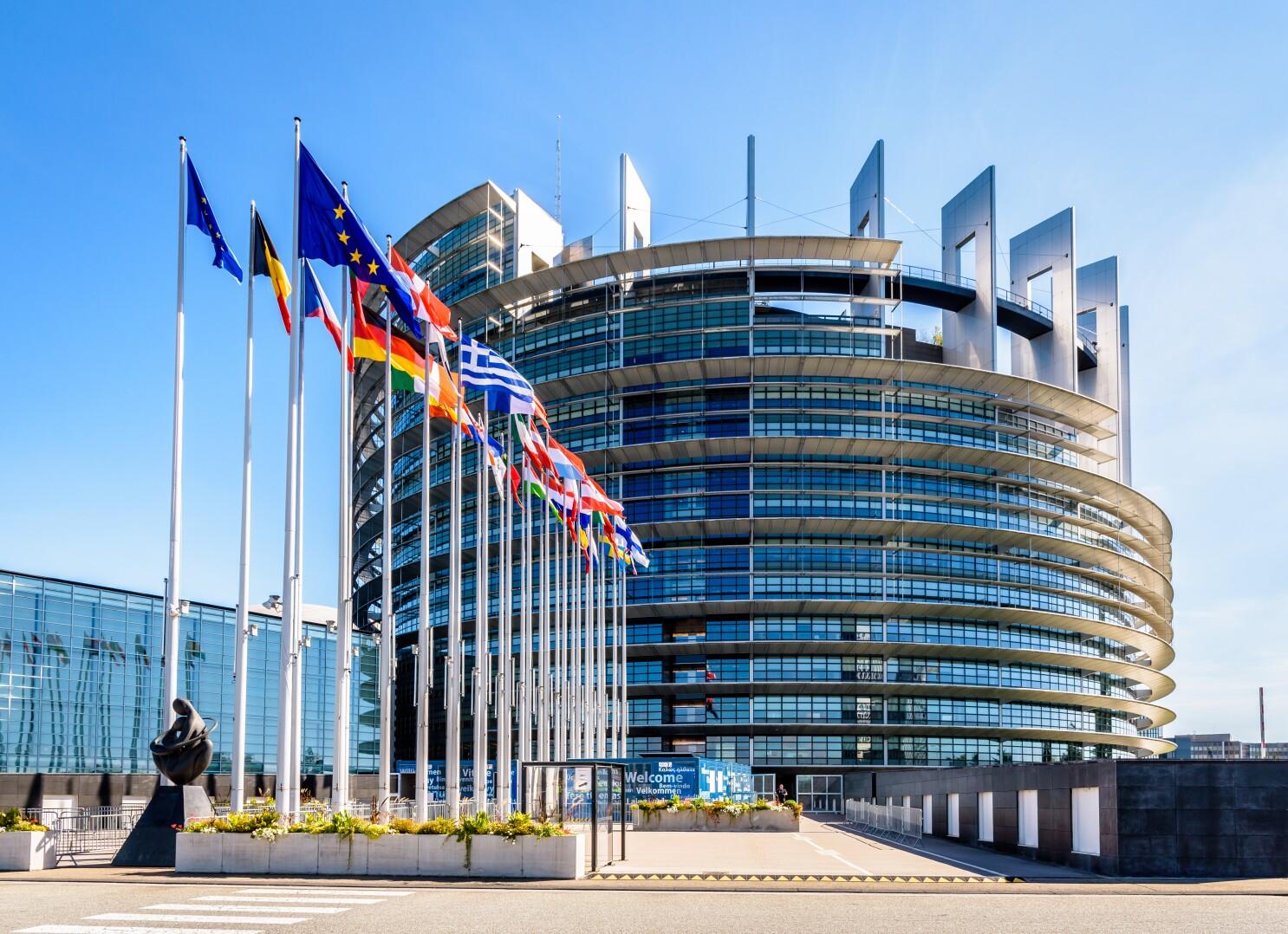
As European leaders gathered in Brussels today for a crucial summit, Ukrainian President Volodymyr Zelensky is looking to Europe for stronger support as tensions with Donald Trump threaten to weaken the Western front against Russia. With energy security, financial assistance and the future of Ukraine at stake, Europe faces a critical test of its unity and commitment to Kyiv.
Ukrainian President Volodymyr Zelensky is turning to European allies to strengthen support for Ukraine as tensions with Washington continue and the war against Russia places increasing pressure on the country’s military and financial resources.
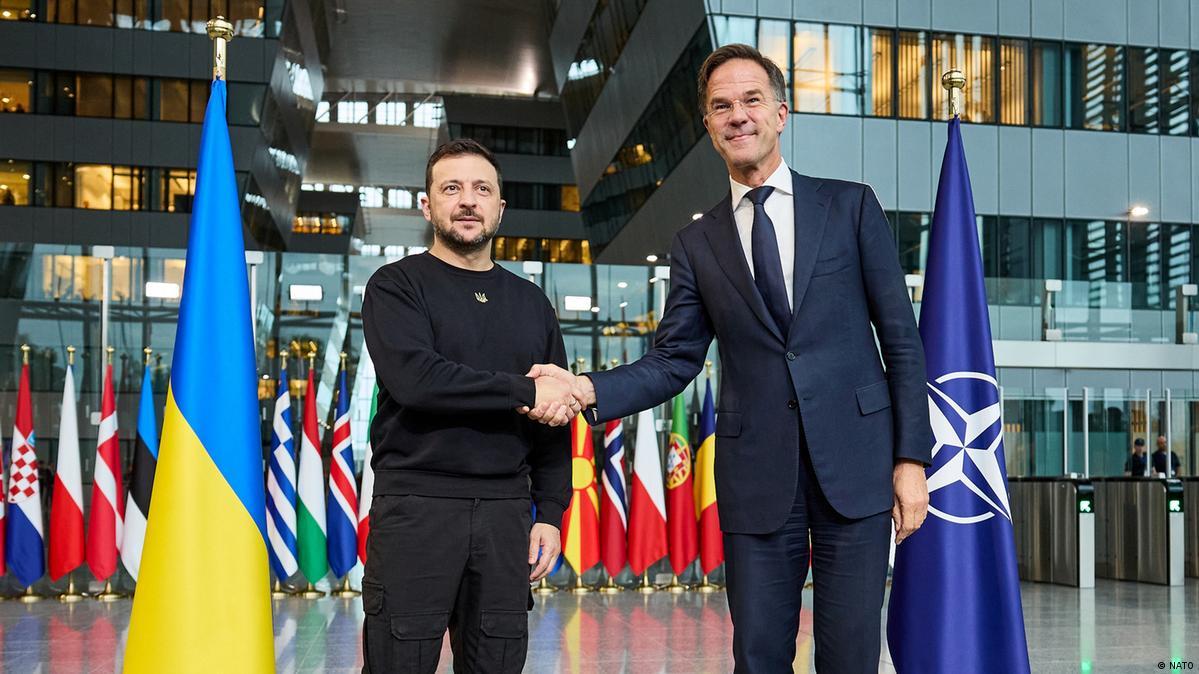
Zelensky first met NATO Secretary General Mark Rutte, stressing the importance of implementing an energy truce. The Ukrainian president also announced that Ukraine had resumed strikes against Russian oil refineries, despite a truce announced by US President Donald Trump just days earlier.
The renewed attacks highlight the continuing difficulties in securing a lasting agreement to reduce hostilities, particularly when energy infrastructure remains a key target in the conflict.
Relations between Kyiv and Washington have also come under strain. Zelensky has expressed concerns about recent US decisions and what he considers a lack of sufficient support for Ukraine. He has also raised concerns over restrictions on Ukraine’s access to Starlink satellite services, which he says have affected access to crucial military intelligence and communications capabilities.
Against this backdrop, the Ukrainian president is seeking to consolidate support among European partners, whom Kyiv increasingly views as essential to maintaining its defence capabilities and diplomatic position.
Following his meeting with Mark Rutte, Zelensky held talks with French President Emmanuel Macron. He was also scheduled to meet other European leaders, including Polish Prime Minister Donald Tusk, Belgian Prime Minister Bart De Wever and Danish Prime Minister Mette Frederiksen.
These discussions come at a critical moment for Ukraine, as European governments face growing pressure to maintain military assistance, provide financial support and help ensure the country can continue resisting Russian attacks.
The European Union has committed €90 billion in assistance to Ukraine over a two-year period. However, the scale of Ukraine’s military, economic and reconstruction needs continues to raise questions about whether existing commitments will be sufficient in the longer term.
For Zelensky, the challenge is not only to secure additional resources but also to maintain a united international front in support of Ukraine’s sovereignty and territorial integrity.
As the war continues, Europe’s role is becoming increasingly important. The outcome of these diplomatic efforts could shape the future of European security, the transatlantic relationship and the prospects for a sustainable peace in Ukraine.