Aalst (The Brussels Morning Newspaper) October 14, 2026 – Police in Aalst, Belgium, have increased security measures following social media threats targeting two local schools, including a threat to set fire to the VTI school. Around 15 young people were identified by police near the city’s railway station on October 12, after officers responded to online calls for gatherings that could lead to public disorder. More than 30 police officers were deployed during the initial operation, while the city announced additional patrols and checks around the schools in the following days.
- Police Increase Security After Threats Against Aalst Schools
- What Triggered the Police Operation in Aalst?
- Police Identify Around 15 Young People Near Railway Station
- Which Schools Were Named in the Online Threats?
- Why Did Aalst Deploy More Than 30 Police Officers?
- What Did Mayor Christoph D’Haese Say About the Threats?
- How Are Authorities Responding to the Role of Social Media?
- What Measures Will Follow the Initial Police Operation?
- What Is Known About the Broader Belgian Context?
- Background to the School Security Measures in Aalst
Police Increase Security After Threats Against Aalst Schools
Authorities in Aalst, in Belgium’s East Flanders province, have strengthened police measures following online calls encouraging young people to gather in the city and damage school property. The threats included an explicit call to set fire to the VTI school, prompting the local administration to prepare an increased police presence.
According to reports published by Belgian media outlets Het Laatste Nieuws (HLN), VRT News and TV Oost on October 12 and 13, 2026, messages circulating on social media called for damage to two educational institutions: VTI and Dames van Maria Humaniora.
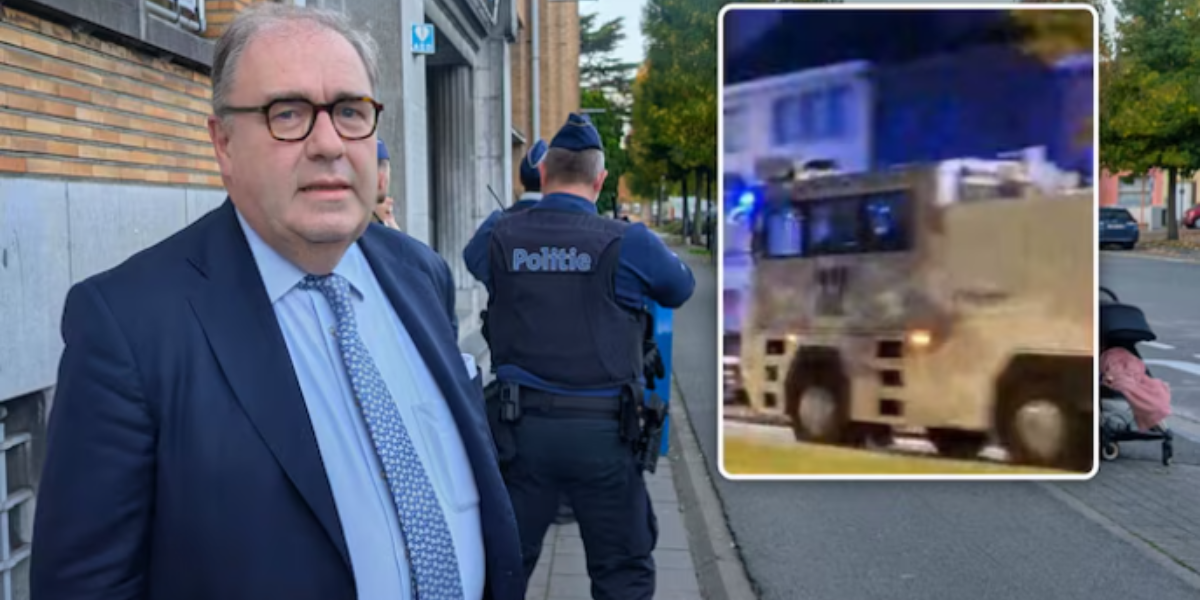
The threats prompted the city to increase security around the schools and maintain a heightened police presence. Mayor Christoph D’Haese, of the New Flemish Alliance (N-VA), said the authorities were taking the situation seriously and would respond to attempts to damage property or disrupt public order.
The measures followed demonstrations and unrest reported in several Belgian cities in the preceding days. According to reporting by VRT News, the mayor said the activity in Aalst might be connected to demonstrations in Brussels and Liège.
However, the available reports do not establish that every young person involved in the gathering at Aalst railway station was connected to the threats against the schools.
What Triggered the Police Operation in Aalst?
The immediate trigger was a series of messages shared through social media, including Snapchat, encouraging young people to travel to Aalst.
HLN reported on October 12 that online calls had urged young people to come to the city in connection with demonstrations taking place elsewhere in Belgium. One of the reported threats concerned setting fire to VTI.
The following day, VRT News reported that messages had circulated calling for damage to both VTI and Dames van Maria Humaniora. The city subsequently announced additional police deployment around the two institutions.
The distinction between an online threat and an offence actually carried out is important. The reports describe preparations by the authorities in response to the messages, but they do not establish that either school was set on fire or that the threatened destruction took place.
The police presence was intended to prevent possible disorder before it developed into a more serious incident.
The exact authorship of all the messages and the full extent of any investigation into their origins were not established in the reports reviewed for this article.
Police Identify Around 15 Young People Near Railway Station
On October 12, police identified approximately 15 young people who had gathered near Aalst railway station.
According to HLN, the group was initially assembled at the station and may have been responding to the online calls circulating ahead of the gathering. Officers checked the young people’s identities and questioned them about their presence and intentions.
More than 30 police officers were deployed to monitor the situation and intervene where necessary. Mayor D’Haese said the police were closely following developments and had acted rapidly at several locations across the city.
The locations mentioned in the reporting included the railway station, Denderstraat, Bauwensplein and Kattestraat.
HLN reported that the young people had balaclavas with them. The group included individuals from Aalst and other towns and municipalities, including Wetteren.
The mayor said the young people were identified and subsequently taken to school or handed over to their responsible parents, according to the circumstances described in the report.
VRT News separately reported that the group consisted of children aged around 12, according to the mayor. He said they had been unable to explain why they were not attending school.
The reports do not establish that all 15 young people were suspected of directly making the threats, nor do they confirm that the entire group was responsible for planning damage to the schools.
The police action took place against a background of concerns about potential disorder following the online calls. The deployment allowed officers to question those present and monitor whether the gathering might develop into a larger disturbance.
Which Schools Were Named in the Online Threats?
Two educational institutions were specifically identified in the reports: VTI and Dames van Maria Humaniora.
VTI was the subject of the reported threat of arson. VRT News reported on October 13 that messages circulated on Snapchat calling for the school to be set on fire.
Dames van Maria Humaniora was also named in online calls for school property to be damaged. The city responded by announcing additional police measures covering both institutions.
The authorities’ response therefore extended beyond the initial gathering at the railway station. The following days were expected to include further police checks and a continued presence around the schools.
The available reporting does not establish that either institution suffered damage during the events described. Nor does it confirm that the reported arson threat developed into an attempted fire.
The response was preventive, with the authorities seeking to monitor potential threats and reduce the possibility of further disorder.
For school communities, the situation involved both the reported online messages and the visible security response. However, the sources reviewed do not provide a comprehensive account of any changes to teaching schedules, attendance arrangements or school access.
Why Did Aalst Deploy More Than 30 Police Officers?
The initial deployment involved more than 30 officers, according to HLN. The police presence was intended to address the possibility of public disorder associated with the online calls.
The operation covered several locations rather than being confined to the railway station. Officers monitored areas including Denderstraat, Bauwensplein and Kattestraat, while the authorities followed the movement of the group and checked the identities of those involved.
The mayor said the police had monitored the situation closely and intervened quickly.
The subsequent decision to increase police activity around VTI and Dames van Maria Humaniora reflected the continued circulation of messages calling for damage to schools.
TV Oost reported on October 13 that further checks involving young people were planned and that the mayor was responding to the threats by deploying additional officers.
The reporting does not provide a confirmed total for the additional officers assigned specifically to the two schools, or a complete breakdown of staffing across the different locations.
It also does not establish that a water cannon was deployed during the operation. Although a water cannon appears in the original headline supplied for this story, the available reporting from HLN, VRT News and TV Oost confirms a substantial police presence and additional security measures, rather than the use of that equipment.
What Did Mayor Christoph D’Haese Say About the Threats?
Mayor Christoph D’Haese said the authorities would not accept attempts to damage property or disrupt public order.
In comments reported by HLN on October 12, he stressed that people had the right to express their views within the limits of the law, but that this did not permit them to travel to Aalst to cause disturbances or damage property.
He also warned that the city and police would take the necessary precautions.
The mayor’s comments came after police identified the group near the railway station. He said the authorities would continue monitoring the situation during the day and evening, with further measures possible if necessary.
In reporting published the following day, VRT News quoted D’Haese describing the calls to damage schools as something other than peaceful protest. He said the authorities would increase police activity and pursue discussions involving parents and schools.
The mayor also raised concerns about the influence of social media on young people’s behaviour. According to VRT News, he suggested that young people were copying actions seen in other cities through online videos and messages.
These comments reflected the city’s stated approach: maintaining public order while involving families and educational institutions in its response.
The available reports do not indicate that the mayor attributed responsibility for all the messages to any particular individual or organisation.
How Are Authorities Responding to the Role of Social Media?
Social media was central to the reported events because the calls encouraging young people to travel to Aalst were circulated online.
HLN identified Snapchat as the platform used to encourage attendance in the city. VRT News reported that messages on the platform included calls to damage the two schools, with one threatening to set fire to VTI.
The authorities’ response included police deployment, identity checks and plans for further engagement with parents and schools.
The mayor also raised the possibility that young people were imitating incidents reported elsewhere in Belgium. VRT News linked his comments to demonstrations in Brussels and Liège, although the reporting does not prove that the Aalst gathering was organised by the same people or groups involved in events in those cities.
The available accounts also do not provide a complete record of the messages, their original authors or the number of people who received them.
Consequently, the confirmed information establishes that online calls were reported and prompted a security response, but it does not establish the full extent of their reach or the precise organisation behind them.
What Measures Will Follow the Initial Police Operation?
Aalst announced that additional police measures would remain in place in the days following the October 12 gathering.
VRT News reported on October 13 that extra officers would monitor VTI and Dames van Maria Humaniora. Further checks involving young people were also planned.
The city intended to involve parents and schools in discussions about the situation. The mayor also called for consultation with the relevant authorities.
The announced response therefore included both immediate policing and follow-up involving families and educational institutions.
The precise duration of the enhanced security measures was not confirmed in the reports. Nor was a final account available of the number of further checks, any subsequent arrests or the outcome of inquiries into the online messages.
The authorities said they would continue monitoring the situation and could introduce additional measures if necessary.
The reporting does not confirm whether further incidents occurred after the initial operation or whether any individuals were formally charged in connection with the threats.
What Is Known About the Broader Belgian Context?
The events in Aalst occurred after demonstrations and disturbances had been reported in other Belgian cities.
VRT News reported that Mayor D’Haese believed the online calls in Aalst might be connected to activity in Brussels and Liège. His comments referred to the possibility that young people were copying behaviour seen in other places through social media.
That reported connection remains an explanation attributed to the mayor, rather than independently established evidence that the events shared a single organiser or plan.
The information published by HLN and VRT News indicates that the authorities treated the calls as a potential public-order concern and prepared a response before the threatened damage was confirmed to have occurred.
The reporting does not provide sufficient evidence to establish a wider coordinated campaign involving all the locations mentioned.
It also does not establish that the young people identified in Aalst had participated in the demonstrations elsewhere.
The distinction matters when assessing the events: the confirmed developments concern online calls, the police operation at the railway station and the subsequent increase in security around the two schools.
Background to the School Security Measures in Aalst
Aalst is a city in East Flanders, Belgium. The events reported on October 12 and 13, 2026, involved online calls for young people to gather in the city, a reported threat to set fire to VTI, and calls for damage to Dames van Maria Humaniora.
The police identified approximately 15 young people near the railway station and deployed more than 30 officers during the initial operation. The city subsequently announced additional police activity around the two schools.
The main developments were reported by HLN on October 12 and by VRT News and TV Oost on October 13. The accounts agree on the central elements: online threats prompted preventive police action, the authorities identified a group of young people, and further security measures were planned.
The reports reviewed do not confirm that the threatened arson or school damage took place, and they do not establish the final outcome of any investigation.