
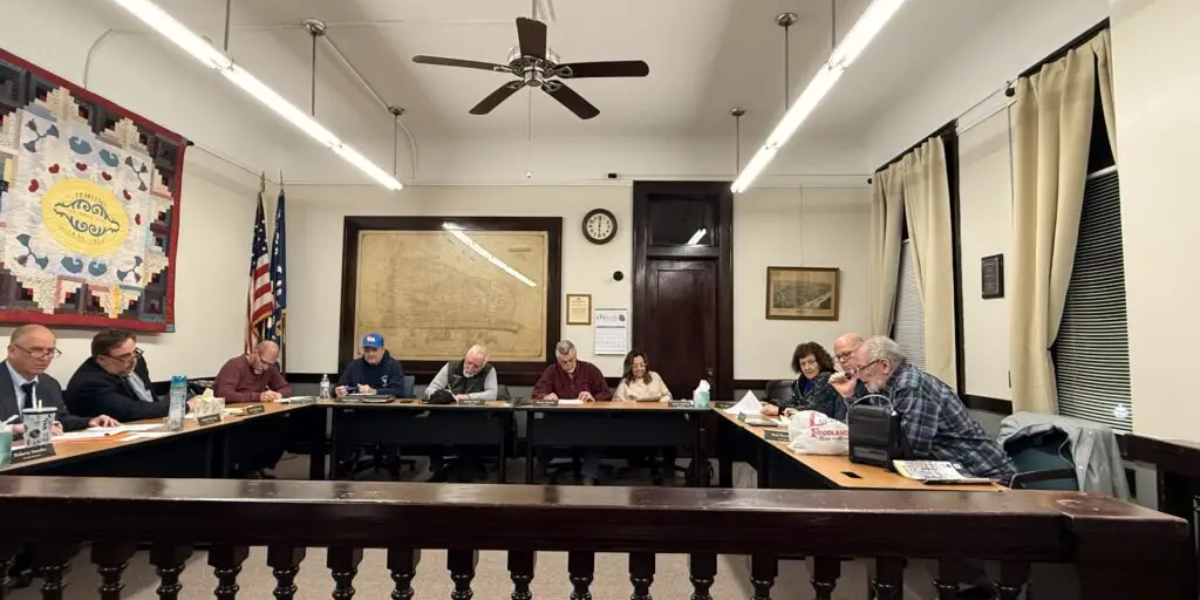
Charleroi (The Brussels Morning Newspaper) – October 9, 2026 — Officials in Charleroi are considering tightening the borough’s dog leash laws following reports of incidents involving unleashed dogs. Concerns about dogs roaming without leads in public parks have prompted questions about whether existing local regulations provide sufficient control. The borough’s current animal-control rules prohibit domestic animals from running at large, while separate provisions address noise, property damage and animal waste. Any changes to the existing requirements would need to be considered through the borough’s local decision-making process.
- Why Is Charleroi Considering Changes to Its Dog Leash Laws?
- What Do Charleroi’s Existing Animal-Control Rules Require?
- How Do the Existing Rules Address Animal Waste?
- What Role Do Public Parks Play in the Discussion?
- What Changes to the Regulations Have Been Confirmed?
- How Are Animal-Control Rules Enforced in Charleroi?
- What Should Dog Owners Know About the Current Position?
- Background: Charleroi’s Existing Animal-Control Framework
- Prediction: What Happens Next With Charleroi’s Dog Leash Laws?
Why Is Charleroi Considering Changes to Its Dog Leash Laws?
Charleroi officials are considering whether to strengthen the borough’s regulations governing dogs after numerous incidents involving unleashed animals were reported, according to a report published by the Mon Valley Independent on 9 October 2026.
The newspaper reported that concerns about unleashed dogs in public parks had raised questions about the existing leash rules and whether additional restrictions might be necessary.
The issue concerns the responsibilities of dog owners in shared public spaces, where animals may encounter pedestrians, families, children and other dogs. Local regulations governing animal control are intended to establish boundaries for owners and provide a framework for addressing animals that roam freely or cause disturbances.
However, the precise amendments under consideration, including any proposed changes to leash requirements, penalties or enforcement arrangements, could not be independently confirmed from the publicly accessible reporting.
The discussion should therefore be distinguished from an enacted legal change. Consideration of stricter regulations does not, by itself, mean that the borough has adopted a new ordinance or that residents are already subject to additional requirements.
The original report was published by the Mon Valley Independent, which identified the matter as a local government issue involving reported incidents with unleashed dogs.
What Do Charleroi’s Existing Animal-Control Rules Require?
Charleroi already has an animal-control chapter in its municipal code. Chapter 117 of the borough’s code contains provisions addressing animals running at large, noise, property damage, cleanliness and the disposal of animal waste.
Under Section 117-1, owners cannot allow dogs, cats or other domestic or non-domestic animals to run at large on public streets and highways or on property belonging to someone other than the animal’s owner.
This provision establishes an existing restriction on animals roaming freely. It is relevant to the borough’s current discussion because it addresses the control of animals beyond their owners’ property.
The same chapter also prohibits owners from allowing animals under their control to damage another person’s property or defile public walkways and other property.
Section 117-2 addresses noise disturbances, including loud or harsh noises that interfere with residents’ peace, rest or sleep.
These provisions demonstrate that Charleroi’s existing regulations cover several aspects of responsible animal ownership rather than focusing exclusively on whether a dog is attached to a lead.
The full municipal provisions are available in the Borough of Charleroi’s animal-control code.
How Do the Existing Rules Address Animal Waste?
Charleroi’s municipal code also includes specific provisions governing animal waste in public and private areas.
Article II of Chapter 117 addresses defecation on streets, pavements, driveways, alleys, public parks and other locations outside an animal owner’s property.
Section 117-7 prohibits people responsible for animals from knowingly or negligently allowing them to defecate in the listed areas, including public walkways and public spaces.
Section 117-8 requires the person responsible for the animal to remove the faeces immediately and dispose of it appropriately. The code specifies disposal in a toilet or placement in a non-leaking container for disposal in a rubbish receptacle.
The provisions include an exemption for guide dogs accompanying blind people and dogs assisting people with physical disabilities.
These requirements form part of the borough’s existing framework for managing the presence of animals in shared spaces. They address cleanliness and the responsibilities of handlers when walking their pets in public.
The current consideration of leash regulations is a separate issue from the waste-disposal provisions, although both concern the conduct expected of people responsible for animals.
The municipal code establishes these requirements independently of any potential changes discussed by borough officials.
What Role Do Public Parks Play in the Discussion?
Public parks are central to the reported concerns about unleashed dogs in Charleroi.
Parks are shared spaces used by residents for recreation, walking and outdoor activities. Dogs may also be taken into these areas, subject to applicable local requirements.
When dogs are not adequately controlled, encounters can occur between animals and other park users. The report published on 9 October identified incidents involving unleashed dogs and concerns about their presence in public parks as the context for considering tighter rules.
The publicly accessible report summary does not provide a complete account of the individual incidents, including their dates, precise locations, the number of animals involved or whether injuries were reported.
It would therefore be inappropriate to attribute particular injuries or other outcomes to the incidents without further verified information.
What is established is that reports of unleashed dogs have prompted consideration of whether the borough’s current arrangements should be tightened.
Any eventual regulatory changes would need to be assessed against the wording of the existing ordinance and the specific provisions officials decide to consider.
What Changes to the Regulations Have Been Confirmed?
As of the publication date of the report, the available information establishes that Charleroi officials are considering stricter dog leash laws.
It does not establish the final wording of a proposed amendment, a confirmed council vote, an adoption date or the introduction of new penalties.
The distinction is important because local authorities can discuss possible changes before deciding whether to introduce formal legislation. A proposal may also undergo revisions before any final decision is made.
The borough’s existing municipal code provides a reference point for understanding the regulations already in place. Any formal amendment would need to be assessed against that code and the official text adopted by the borough.
Residents seeking to establish the current legal position can consult the borough’s official website and its municipal records.
The borough publishes information about council meetings, local government responsibilities and municipal ordinances. These records are the appropriate sources for confirming whether a proposed change has advanced to formal consideration or has been adopted.
Until an amendment is confirmed through official documentation, the reported consideration of tighter restrictions should not be interpreted as evidence that a new leash law has taken effect.
How Are Animal-Control Rules Enforced in Charleroi?
The borough’s animal-control provisions form part of its municipal code and establish requirements governing animals and their owners.
Chapter 117 identifies violations of its animal-control and animal-waste provisions and refers to the borough’s general penalty framework.
The provisions cover animals running at large, disturbances caused by animals, property damage and cleanliness. The rules therefore provide a local legal basis for addressing several types of animal-related nuisance.
The precise enforcement arrangements relevant to the current leash-law discussion, including whether officials are considering additional powers or changes to penalties, could not be established from the accessible report.
Likewise, no verified figures were available in the material reviewed showing how many leash-related complaints have been received, how frequently officers have intervened or how many citations have been issued for the reported incidents.
Those details would be necessary to describe the scale of enforcement activity accurately.
The borough’s official records and any subsequent statements from council or local authorities would provide the most reliable evidence of whether enforcement procedures are to change.
What Should Dog Owners Know About the Current Position?
Dog owners in Charleroi should distinguish between the existing municipal requirements and any potential changes still under consideration.
The current code prohibits animals from running at large in the circumstances specified in Section 117-1. It also establishes responsibilities concerning noise, property damage and the removal of animal waste.
These requirements remain the relevant starting point for understanding the borough’s existing animal-control framework.
The possibility of tighter leash laws does not establish that a new restriction has been adopted. Owners seeking information about any change should refer to official borough announcements and the final text of any ordinance approved by council.
The same distinction applies to possible penalties. The available information does not confirm that Charleroi has introduced a new fine or another enforcement measure specifically in response to the reported incidents.
The borough’s published code can be consulted through its online municipal legislation, while official council records can be accessed through the borough’s records page.
These sources provide the appropriate means of checking the wording of existing rules and identifying any formally adopted amendments.
Background: Charleroi’s Existing Animal-Control Framework
Charleroi is a borough in Washington County, Pennsylvania. Its municipal code includes a dedicated chapter addressing the control of animals and the management of animal-related nuisance.
Chapter 117 contains provisions originally adopted through borough ordinances, including restrictions on animals running at large and rules governing the disposal of animal waste.
The animal-control provisions prohibit owners from allowing animals to roam freely in the circumstances specified by the code. Other sections address disturbances, property damage and cleanliness.
The waste-disposal provisions were adopted separately in February 1998, according to the legislative history published in the municipal code.
The borough’s wider legislative framework is available through its online code, which allows residents to consult existing municipal requirements.
The current discussion about potentially stricter dog leash laws follows reports of incidents involving unleashed dogs, particularly concerns associated with public parks. The available reporting establishes that officials are considering the issue but does not provide sufficient verified detail to confirm the precise content or timing of any future legislative action.
Prediction: What Happens Next With Charleroi’s Dog Leash Laws?
The next confirmed development will depend on whether Charleroi officials advance a formal proposal to amend the existing regulations.
If the borough proceeds with a change, the official ordinance or council records would establish the new requirements, the date of adoption and any effective date or associated penalties.
Until those details are confirmed, it remains uncertain whether the discussion will result in stricter restrictions or changes to enforcement.