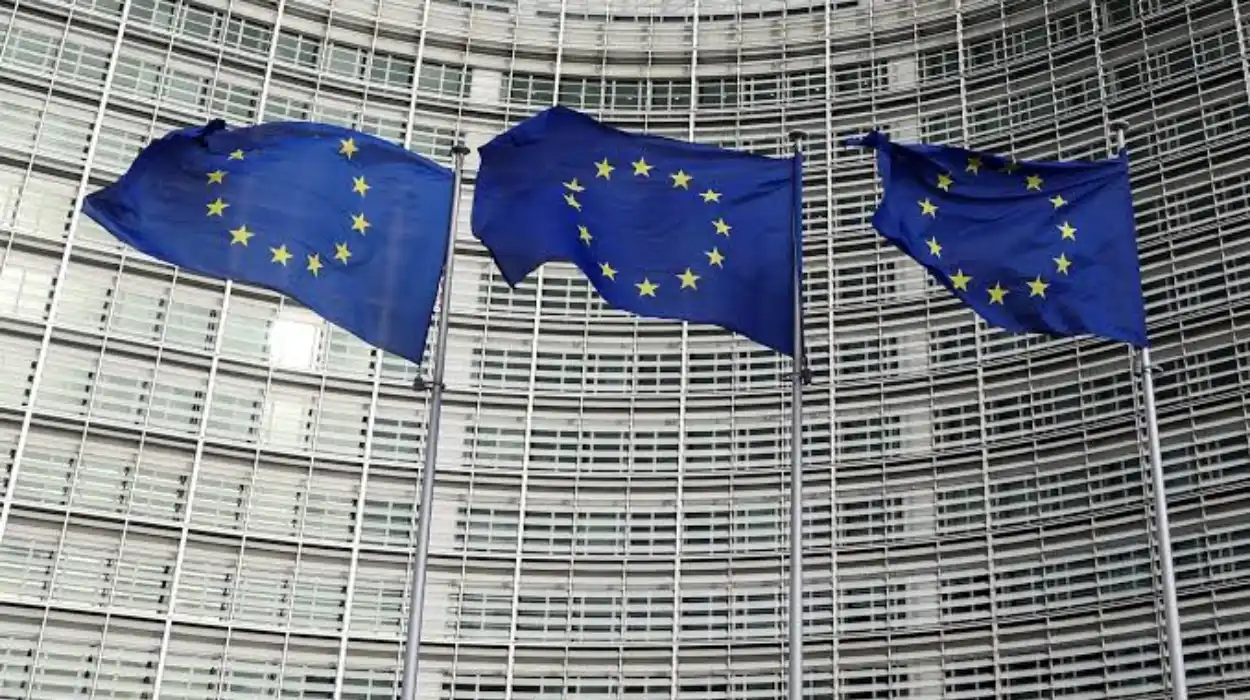
Brussels (Brussels Morning Newspaper) October 09, 2026 – The European Union faces mounting policy paralysis regarding Israel as foreign affairs ministers convene, remaining deadlocked along familiar internal fault lines despite surging public criticism across member states, international trade shifts, and deepening diplomatic isolation over military actions in Gaza and the West Bank.
Stalled European Response Follows British and Canadian Trade Shifts
When the British government announced sweeping sanctions on trade with illegal Israeli settlements and condemned what it termed
“ethnic cleansing” in the West Bank by state-backed “settler terrorists”,
European diplomats initially anticipated a galvanising effect across the rest of the continent. Although France and Canada joined the United Kingdom in pledging to ban goods originating from illegal settlements and impose targeted sanctions on those who facilitate or profit from them, a wider ripple effect across the entire European Union has failed to materialise.
Monday’s meeting of EU foreign affairs ministers highlights the bloc’s ongoing stasis. While discussions are scheduled to address conflicts in Iran and Yemen alongside upcoming elections in Israel and Palestine, the bloc remains hobbled by deep internal divisions.
Internal Divisions Paralysis Within the Twenty-Seven Member Bloc
The twenty-seven member European Union remains fractured into distinct factions regarding its approach to the Israeli government.
-
Vocal Proponents of Palestinian Rights: Spain and Ireland lead a group calling for formal reviews into whether Israel’s conduct in the Gaza conflict breaches human rights conditions stipulated in its association agreement with the European Union, which governs a sixty-eight billion euro trade and cooperation relationship.
-
Consistent Defenders of Israel: Germany and Austria maintain close diplomatic alignment with Israel for historical reasons, while Czechia and Italy remain ideologically aligned with Benjamin Netanyahu’s administration.
-
The Middle Bloc: A larger group of nations, including France and the Netherlands, occupies a middle ground, showing increasing criticism toward the Netanyahu government’s conduct in Gaza and its controversial plans for the vast E1 settlement expansion, which critics argue threatens the viability of a two-state solution.
Public Opinion and International Cultural Isolation
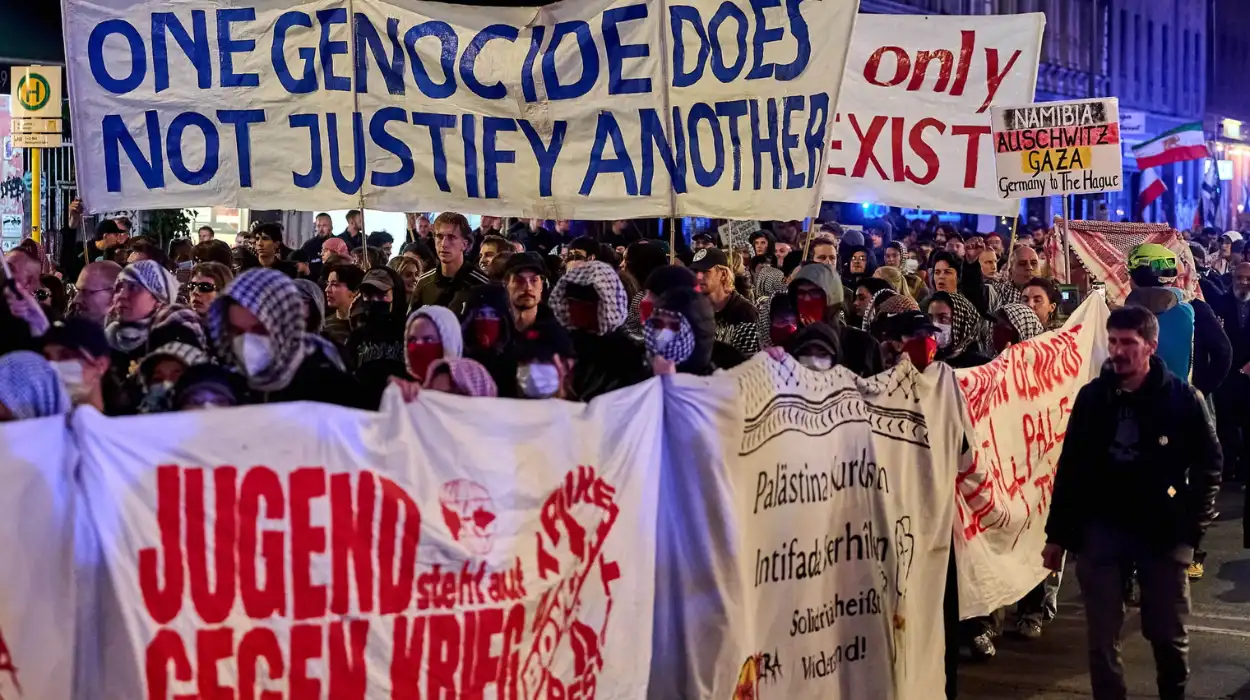
Polling data underscores a sharp divergence between official European policy stasis and public sentiment. A survey conducted by the Pew Research Center across ten European countries, including France, Spain, and Sweden, revealed large majorities expressing negative opinions of Israel. Public disapproval intensified following the regional fallout from the conflict involving Iran and the Middle East. Negative views jumped by eight percentage points to seventy percent in Poland, and rose by nine percentage points to seventy-five percent in Italy and seventy-three percent in Germany.
Cultural and public isolation has similarly grown. Five nations boycotted the Eurovision Song Contest due to Israel’s participation after event organisers declined to exclude the country over its military conduct in Gaza and escalating violence in the West Bank. Consequently, competition organisers revised eligibility criteria, ruling that broadcasters will be disqualified from hosting if their home state is involved in an active armed conflict or sensitive geopolitical dispute.
Humanitarian Crisis and Ongoing Casualties in Gaza
The wider geopolitical stalemate unfolds against the backdrop of an ongoing humanitarian catastrophe in Gaza. The conflict was triggered by the 7 October 2023 attacks led by Hamas, during which the group killed 1,209 people—including 36 children—and took 251 hostages. Israel’s subsequent military campaign has resulted in the deaths of more than 74,000 people, including at least 21,200 children.
Gaza continues to face critical shortages of clean water, nutritious food, essential medical equipment, and medicines. Residents contend with widespread disease, high unemployment, total economic collapse, and continuous threats to life. Despite formal ceasefire declarations, ongoing airstrikes and military actions have accounted for an additional 1,400 Palestinian deaths over the preceding year.