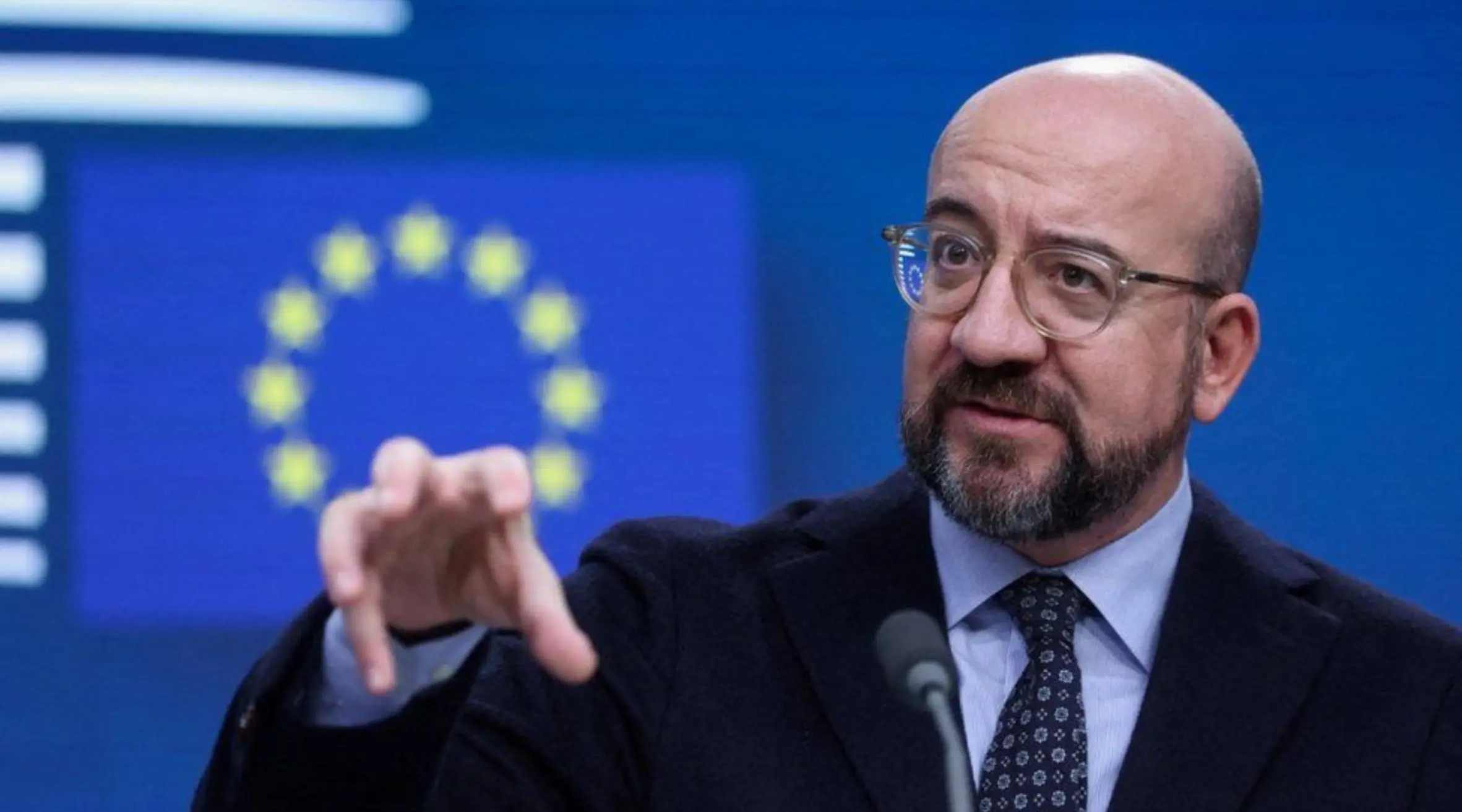
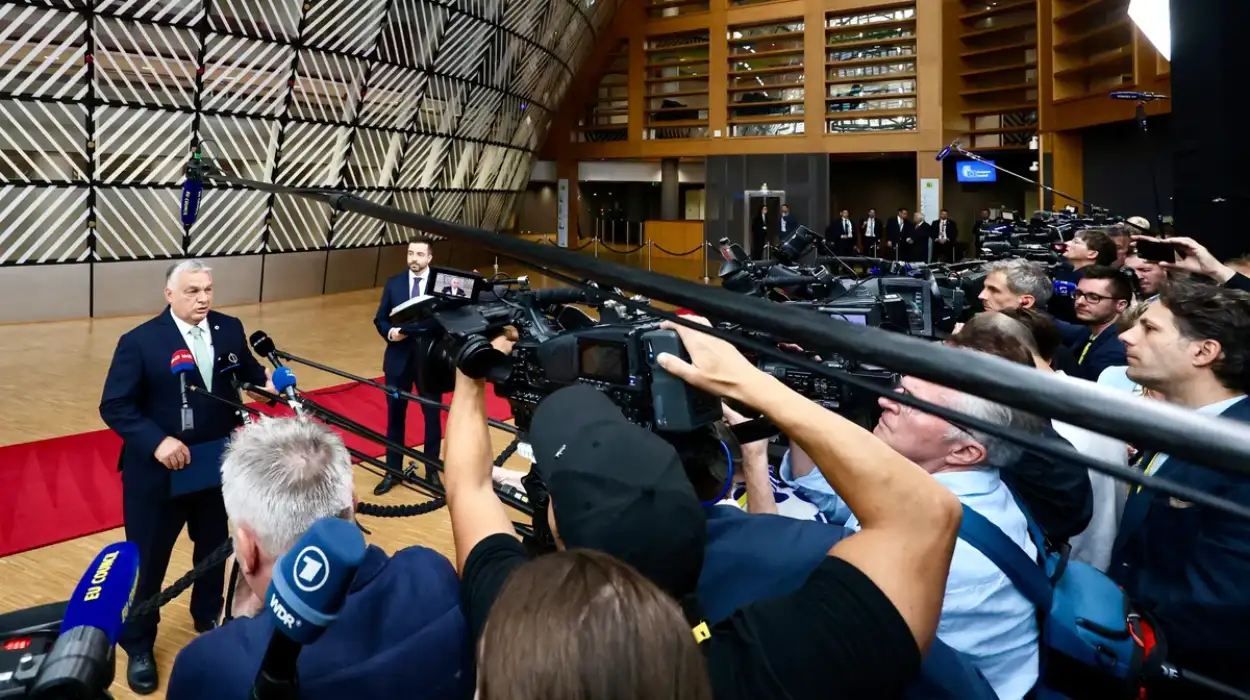
Brussels (Brussels Morning Newspaper) October 8, 2026 – European Council President António Costa has officially invited member state leaders to the upcoming European Council meeting scheduled for 15 and 16 October 2026 in Brussels. The high-level summit will focus heavily on evaluating ongoing crisis management measures, advancing institutional reforms alongside EU enlargement objectives, and addressing critical developments in the Middle East.
Agenda and Meeting Schedule Details
The official proceedings are scheduled to commence on Thursday, 15 October, at 10:00 local time, with President Costa aiming to conclude the summit following a working lunch on Friday, 16 October. The agenda encompasses a comprehensive review of current geopolitical and economic challenges facing the European Union, structured to provide strategic direction for member states and Community institutions.
Crisis Preparedness and Vigilance Measures
The opening segments of the leaders’ discussions will centre on evaluating the practical implementation and effectiveness of adopted European Union legislation. President Costa emphasised in his formal invitation letter that while existing measures are actively producing tangible results, member states must maintain a high degree of vigilance and operational readiness.
The deliberations will specifically address the necessity for robust solidarity mechanisms when individual member states encounter acute crisis situations. Furthermore, leaders are expected to pursue further initiatives aimed at systematically enhancing the Union’s overall crisis-response capabilities, encompassing comprehensive safeguards and preparedness strategies against all documented cases of instrumentalisation.
Enlargement Policy and Institutional Reforms
Transitioning to structural matters, the second major thematic focus of the summit will address European Union enlargement and parallel internal reforms. Discussions on this track will be informed significantly by the European Commission’s official communication titled ‘Preparing for a wider Union’.
The strategic debate is intended to furnish clear political guidance regarding the ongoing roadmap for candidate countries. Particular attention will be dedicated to tracking the substantive progress achieved on the accession treaty concerning Montenegro. President Costa highlighted that the collective objective remains focussed on successfully concluding formal accession negotiations with Montenegro by the end of the current year.
Middle East Developments and Maritime Security
The European Council will also return to evaluating the evolving situation across the Middle East. Heads of state or government will take stock of the latest political and security developments in the region, assessing their direct and indirect ramifications for global stability.
Particular emphasis will be placed on evaluating the impact of regional hostilities upon freedom of navigation—recognised as a fundamental principle of international law—and broader maritime security frameworks. The invitation letter underscores that both freedom of navigation and secure maritime routes remain absolutely vital for protecting international supply chains, with specific strategic relevance to global energy markets, fertiliser provisions, and international food security.