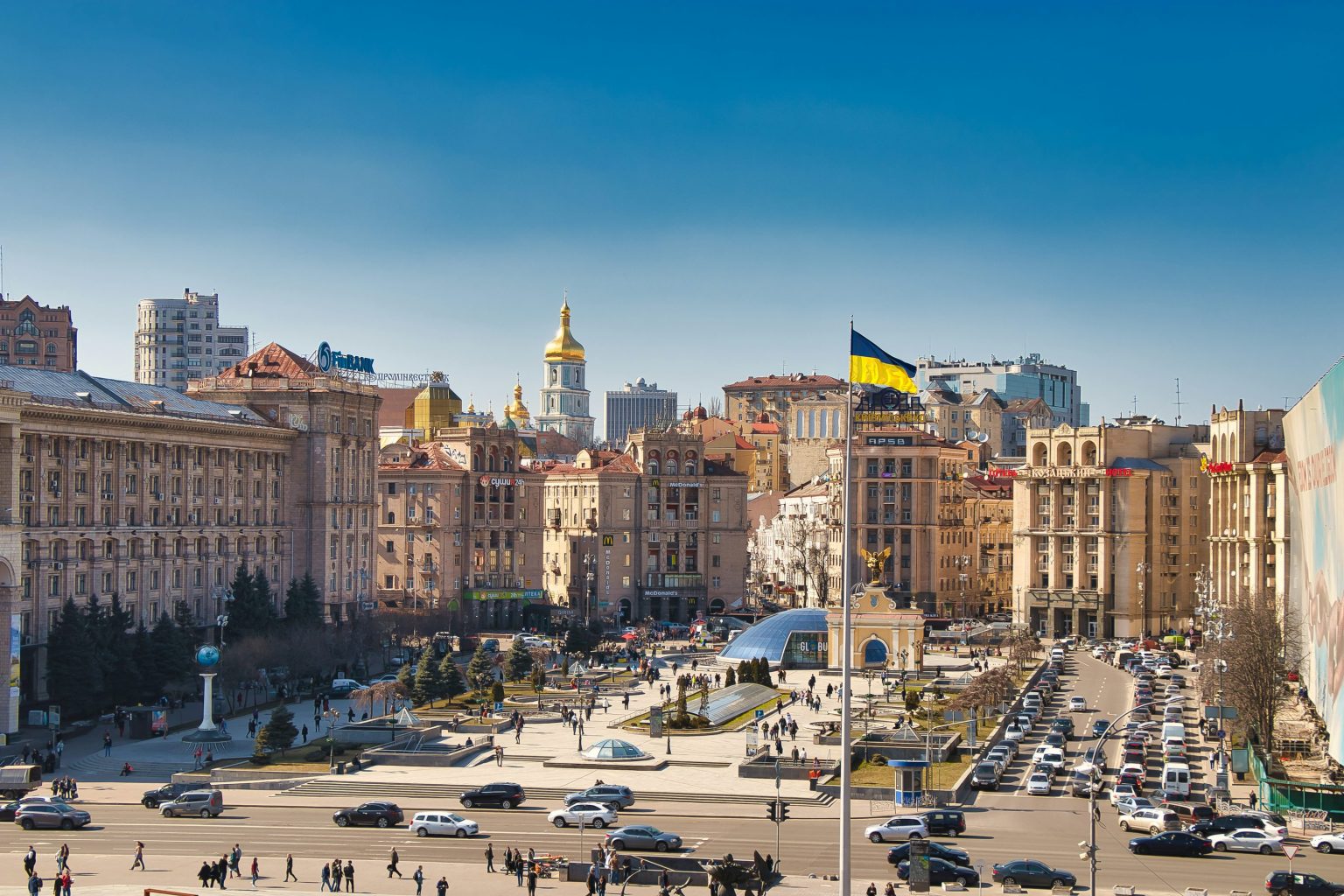
Kyiv, Ukraine, 5 October, (Brussels Morning Newspaper) – Ukraine is confronting a growing financial challenge as sustained Russian attacks damage energy facilities, industrial production and transport infrastructure while Kyiv prepares for another costly year of war. The Ukraine funding crisis has put renewed attention on international financial assistance as the government works to cover its projected 2027 financing needs.
Russian strikes deliver fresh blow to Ukrainian economy
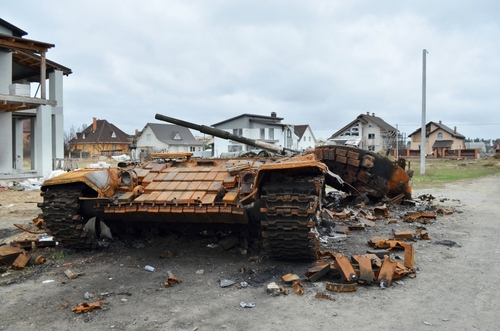
Russia’s continuing missile and drone campaign is placing additional pressure on an economy already transformed by more than four years of full-scale war.
Industrial centres, electricity infrastructure, transport networks and export operations remain vulnerable to attacks. Disruption is particularly important for Ukraine’s steel, mining and agricultural industries, which generate employment, exports and government revenue.
The European Bank for Reconstruction and Development has lowered its forecast for Ukrainian economic growth in 2026 to 1.5%, down from its previous projection of 2.2%, citing intensified Russian attacks and increased uncertainty.
The EBRD expects its investment in Ukraine to remain around €2.7 billion this year, with energy security among its major priorities.
Ukraine faces major 2027 financing challenge
The scale of Kyiv’s financial requirements is becoming clearer as the government prepares its next budget.
Ukraine’s Finance Ministry said following a Ukraine Donor Platform meeting in Brussels on 29 September that the country expects to require approximately $52.6 billion in external financing during 2027.
Expected funding sources currently account for about $20 billion, according to the ministry, leaving roughly $32.6 billion for which financing sources still need to be identified.
Finance Minister Sergii Marchenko told international partners that defence and security would remain the central priorities of the 2027 state budget.
At the same time, Ukraine must continue financing pensions, public services and other government responsibilities while repairing infrastructure damaged by the war.
IMF demands credible plan for financing shortfall
The International Monetary Fund is playing an important role in Ukraine’s efforts to maintain macroeconomic stability.
Speaking on 1 October, IMF communications director Julie Kozack said the fund was working towards bringing combined second and third reviews of Ukraine’s programme to its Executive Board in December.
Completion will depend partly on obtaining sufficient and credible financing assurances from Ukraine’s international partners.
The IMF has repeatedly highlighted the extraordinary uncertainty surrounding Ukraine’s economic outlook because of the continuing war and attacks on critical infrastructure.
Closing the Ukraine funding crisis will therefore require both international assistance and continued efforts by Kyiv to strengthen domestic revenues.
European support becomes increasingly important
Brussels remains central to Ukraine’s financial outlook.
The European Commission has said sufficient resources have been identified to address Ukraine’s 2026 budgetary and defence requirements, shifting attention towards the much larger question of financing the country through 2027.
Germany has separately announced further assistance following Chancellor Friedrich Merz’s visit to Kyiv on 4 October, including €1 billion in additional military support and €350 million intended to help repair Ukraine’s damaged energy sector.
Such assistance has become increasingly important because Russian attacks create a dual financial burden: they can reduce economic production and government tax receipts while simultaneously increasing spending on repairs, defence and energy resilience.
Economic damage carries consequences beyond Ukraine
Ukraine’s financial stability also matters to the European Union.
A severe deterioration in the Ukrainian economy could increase pressure on European governments to provide additional financial, humanitarian and reconstruction assistance while Kyiv continues defending itself against Russia.
Maintaining functioning energy networks, businesses and public services is therefore closely connected to Ukraine’s broader ability to sustain its wartime economy.
For Brussels, the issue is increasingly about ensuring that financial commitments arrive predictably enough for Kyiv to plan its budget rather than relying on emergency interventions.
What happens next for Ukraine’s funding needs?
Ukraine will continue negotiations with the EU, IMF and other international partners as it seeks to identify financing for 2027.
The IMF’s planned December programme reviews will be an important milestone, particularly because credible financing assurances are required before the process can move forward.
Kyiv is also seeking greater domestic revenues through measures targeting tax evasion, smuggling, undeclared employment and other economic activity outside the formal tax system.
However, continued Russian attacks mean the scale of Ukraine’s financial requirements remains closely connected to developments on the battlefield and the resilience of its infrastructure.
For European policymakers, resolving the Ukraine funding crisis is therefore becoming a central economic challenge alongside the continuing military and diplomatic response to the war.