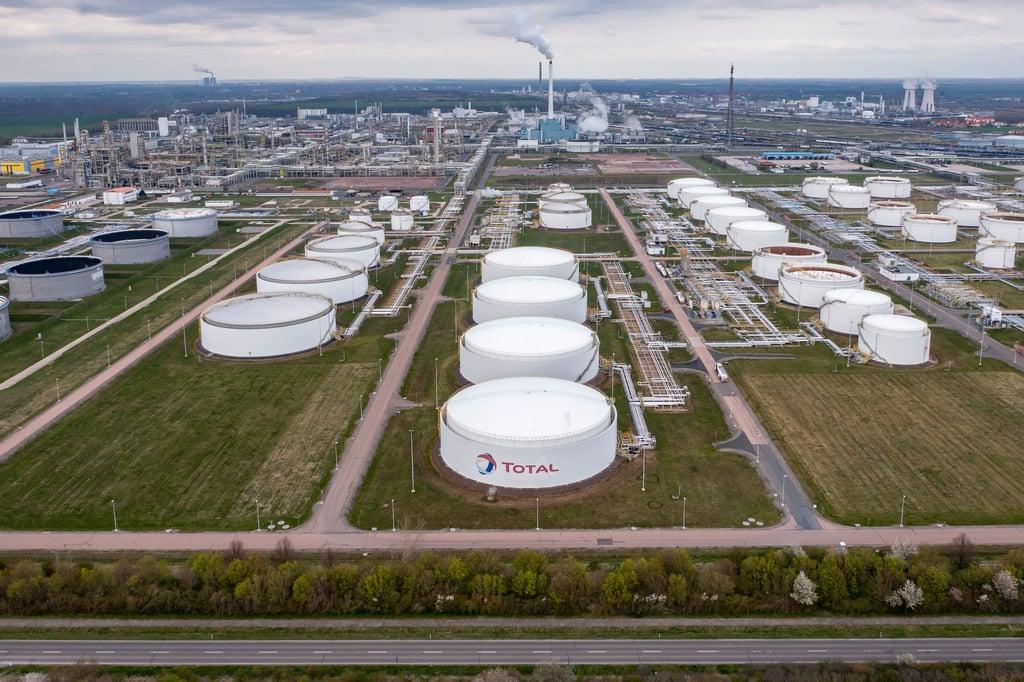
Brussels, 3 October, (Brussels Morning Newspaper) – The Europe diesel crisis is placing renewed pressure on the European Union’s energy security as governments confront tight global fuel markets, elevated prices and supply risks linked to international disruptions. The G7 has responded with a coordinated emergency release of oil and diesel stocks, while the European Commission says supplies within the EU remain stable for now.
G7 launches critical intervention in fuel markets
G7 leaders agreed on 2 October to coordinate the release of 100 million barrels of oil and diesel through the International Energy Agency (IEA), with the stocks due to enter the market over four months.
The G7 said the measure would be front-loaded, including a significant release of diesel during the first 20 days. Governments also agreed to avoid restrictions on energy exports between G7 countries and coordinate refinery maintenance where possible.
The measures are designed to reduce pressure on global fuel markets at a time when disruption to international energy flows has heightened concerns about the availability and cost of refined petroleum products.
The IEA said refined-product flows from the Middle East remained severely constrained even as crude oil exports had recovered significantly. It also pointed to attacks affecting Russian refining infrastructure as another source of pressure on international diesel markets.
European Commission monitors diesel supplies
The European Commission is closely monitoring the Europe diesel crisis, but officials have not declared an EU-wide physical fuel shortage.
Following a meeting of the Energy Union Task Force on 2 October, the Commission said diesel supplies in the European Union remained “stable for the time being”, while acknowledging that prices remained high because of tight global markets.
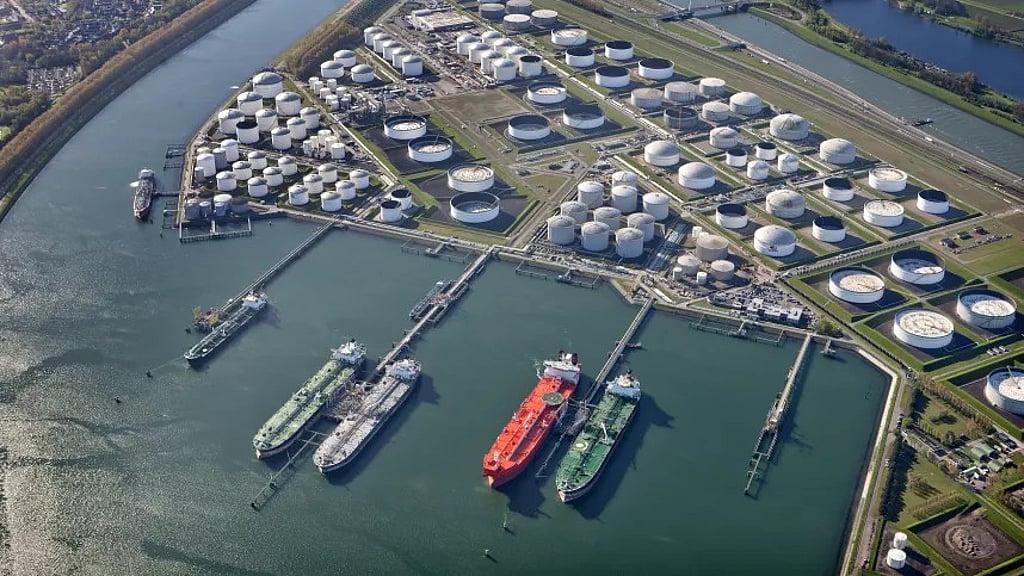
The Commission’s Oil Coordination Group had also reported on 29 September that commercial stocks at the Amsterdam-Rotterdam-Antwerp hub were below their five-year average.
However, stocks had remained relatively stable during recent weeks, while European refineries were operating close to maximum capacity.
The distinction is important: Europe is facing significant price and supply pressure, but available official evidence does not currently establish a widespread physical diesel shortage across the EU.
Europe faces renewed energy security challenge
The latest disruption comes as Europe continues reshaping its energy system following Russia’s invasion of Ukraine and the subsequent reduction of its dependence on Russian fossil fuels.
EU sanctions have restricted imports of Russian seaborne crude oil and petroleum products, while Brussels has continued measures targeting Moscow’s energy revenues and its so-called shadow fleet.
Meanwhile, disruption affecting energy transportation through the Middle East has increased uncertainty across international markets. The Strait of Hormuz remains particularly important because substantial volumes of global oil and petroleum products normally move through the waterway.
These pressures have increased Europe’s exposure to changes in global refinery output, shipping routes and international fuel prices.
Why diesel pressure matters for EU economies
Diesel remains particularly important to European road freight, agriculture, construction and industrial activity. Sustained increases in wholesale fuel prices can therefore raise transport and distribution costs, potentially creating additional pressure for businesses and consumers.
That economic exposure explains why governments are trying to prevent the Europe diesel crisis from developing into a more serious supply disruption.
The IEA said around 325 million barrels of the 400 million barrels committed under an earlier collective action in March had already been released by 2 October.
What happens next for European diesel supplies?
The IEA will oversee implementation of the latest 100-million-barrel release. G7 leaders have asked the agency to report within 20 days on market conditions, the effectiveness of the intervention and how emergency reserves should eventually be replenished.
Further diesel releases could be considered depending on market developments.
In Brussels, the European Commission will continue monitoring fuel stocks, refinery operations and prices. Its Oil Coordination Group is expected to meet industry representatives again on 15 October, giving policymakers another opportunity to assess whether additional measures are required.