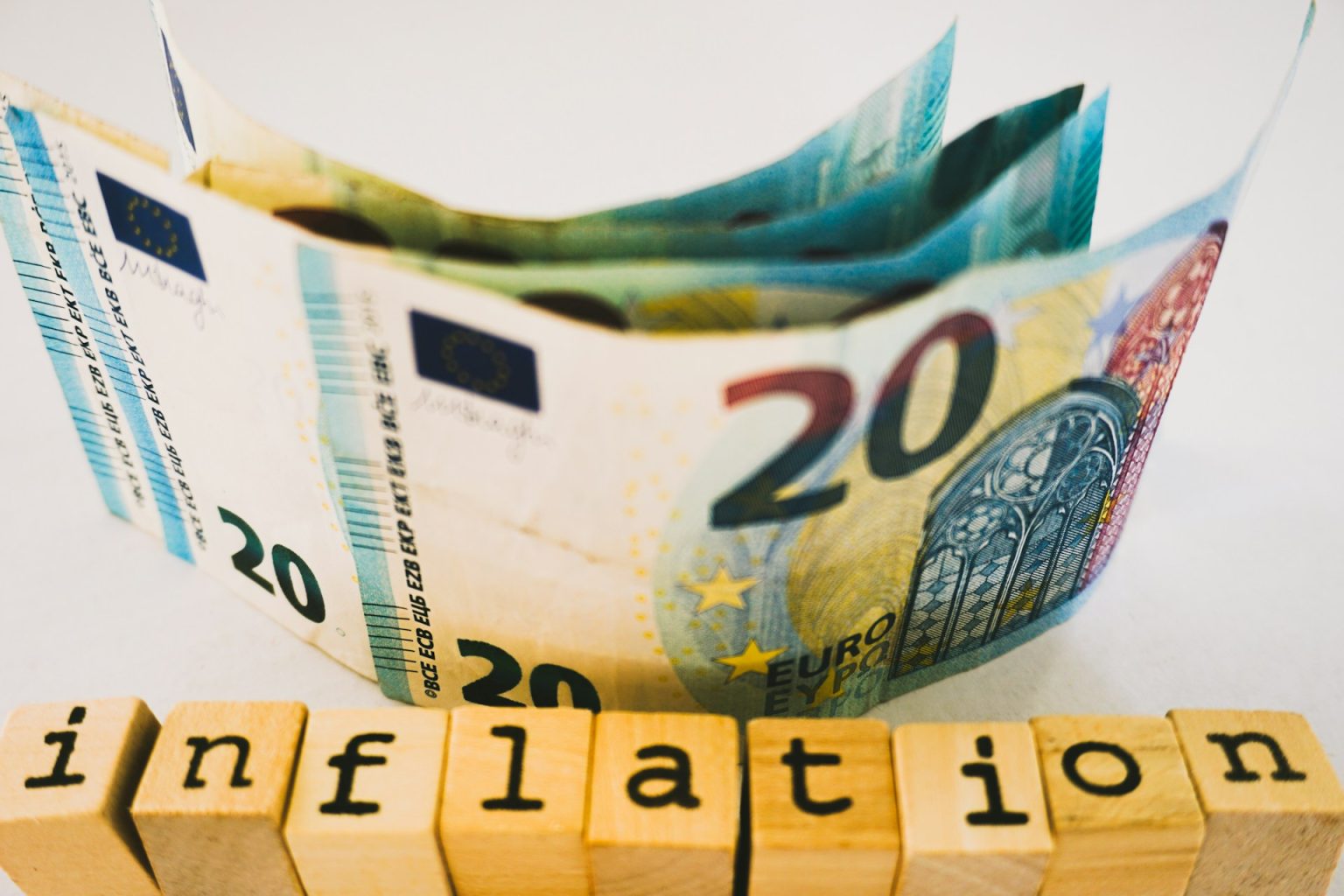
Brussels, 2 October, (Brussels Morning Newspaper) – Eurozone inflation jumped to 3.8% in September, accelerating from 3.2% in August as sharply higher energy costs pushed consumer price growth further above the European Central Bank’s 2% target, according to Eurostat’s latest flash estimate.
The increase was stronger than economists had expected. A Reuters poll had forecast inflation of 3.6%, highlighting the renewed challenge facing policymakers as Europe contends with higher energy costs and pressure on household budgets.
Energy prices drive powerful inflation surge
Energy was the main force behind September’s acceleration. Energy prices rose 18.8% year on year, compared with an increase of 14.3% in August, according to the flash data.
Services inflation also increased, reaching 3.2% from 3.0% in August. Food, alcohol and tobacco inflation accelerated to 1.4%, while non-energy industrial goods inflation eased slightly to 1.1%.
Core inflation, which excludes volatile energy and food components and is closely monitored by the ECB for evidence of underlying price pressures, edged up to 2.5%.
The figures indicate that much of the latest headline surge has come from energy rather than an equally dramatic increase across all categories of consumer spending.
Eurostat data confirms sharp September rise
The September increase extends a recent upward trend. Eurostat’s final data showed annual inflation at 2.9% in July and 3.2% in August. A year earlier, inflation had stood at 2.0%.
The comparison is also affected by the enlargement of the currency area. Bulgaria adopted the euro on 1 January 2026, expanding the euro area from 20 to 21 countries. Eurostat incorporates that change into its aggregate data using a chain-index methodology.
ECB faces renewed interest-rate pressure
The acceleration in Eurozone inflation presents a difficult policy calculation for the European Central Bank.
Reuters reported that the stronger-than-expected reading is adding pressure on the ECB to consider further interest-rate increases. The central bank has already raised rates twice during the summer as policymakers respond to renewed inflationary pressures.
ECB policymaker Olli Rehn said on Friday that energy prices were approaching levels contemplated in the central bank’s adverse inflation scenario. He also indicated that rising long-term borrowing costs could restrain economic activity and therefore limit some of the inflationary impact from expensive energy.
That leaves policymakers balancing two risks: allowing an energy shock to become embedded in broader prices and wages, or tightening monetary policy too aggressively when borrowing costs are already elevated.
Why the inflation jump matters for Europe
For households, higher energy prices can translate into more expensive heating, electricity and transport. Businesses can also face increased production and distribution costs, creating additional pressure on margins and potentially consumer prices.
The inflation shock comes while the euro-area economy is still expanding. Eurostat estimated that GDP grew by 0.6% during the second quarter of 2026 compared with the previous quarter and by 1.2% compared with the same period a year earlier.
Manufacturing has also strengthened, with September survey data showing the sector expanding at its fastest pace in more than four years. However, higher input costs are adding another layer of uncertainty to the outlook.
What happens next for euro-area prices?
September’s 3.8% reading is a flash estimate rather than Eurostat’s final inflation calculation. The agency is scheduled to publish the full September figures on 16 October.
Markets and policymakers will closely examine those figures for evidence of whether the energy-driven increase is spreading into other parts of the economy.
For the ECB, the central question will be whether higher energy prices represent a temporary external shock or are beginning to create persistent underlying inflation. That distinction is likely to play an important role in determining the direction of euro-area interest rates in the months ahead.