Brussels, 24 September, (Brussels Morning Newspaper) – The Brussels drought warning remains at yellow level after regional authorities reviewed drinking-water supplies following months of unusually dry conditions. The latest decision, announced on 23 September, keeps the Belgian capital in its vigilance phase as autumn begins with limited rainfall.
Yellow drought level remains active
The Brussels Regional Drought Unit met under the water-policy coordination platform led by Brussels Environment. Vivaqua, Brussels Environment and crisis-management agency safe.brussels took part in a specific assessment of the capital’s drinking-water supply.
Officials decided that conditions still warranted yellow status. The level has been in place since July and means measures introduced by the authorities remain active, alongside calls for residents, businesses and public bodies to use mains water responsibly.
The alert is a vigilance measure and does not mean that normal household drinking-water distribution has been suspended.
Dry conditions continue into autumn
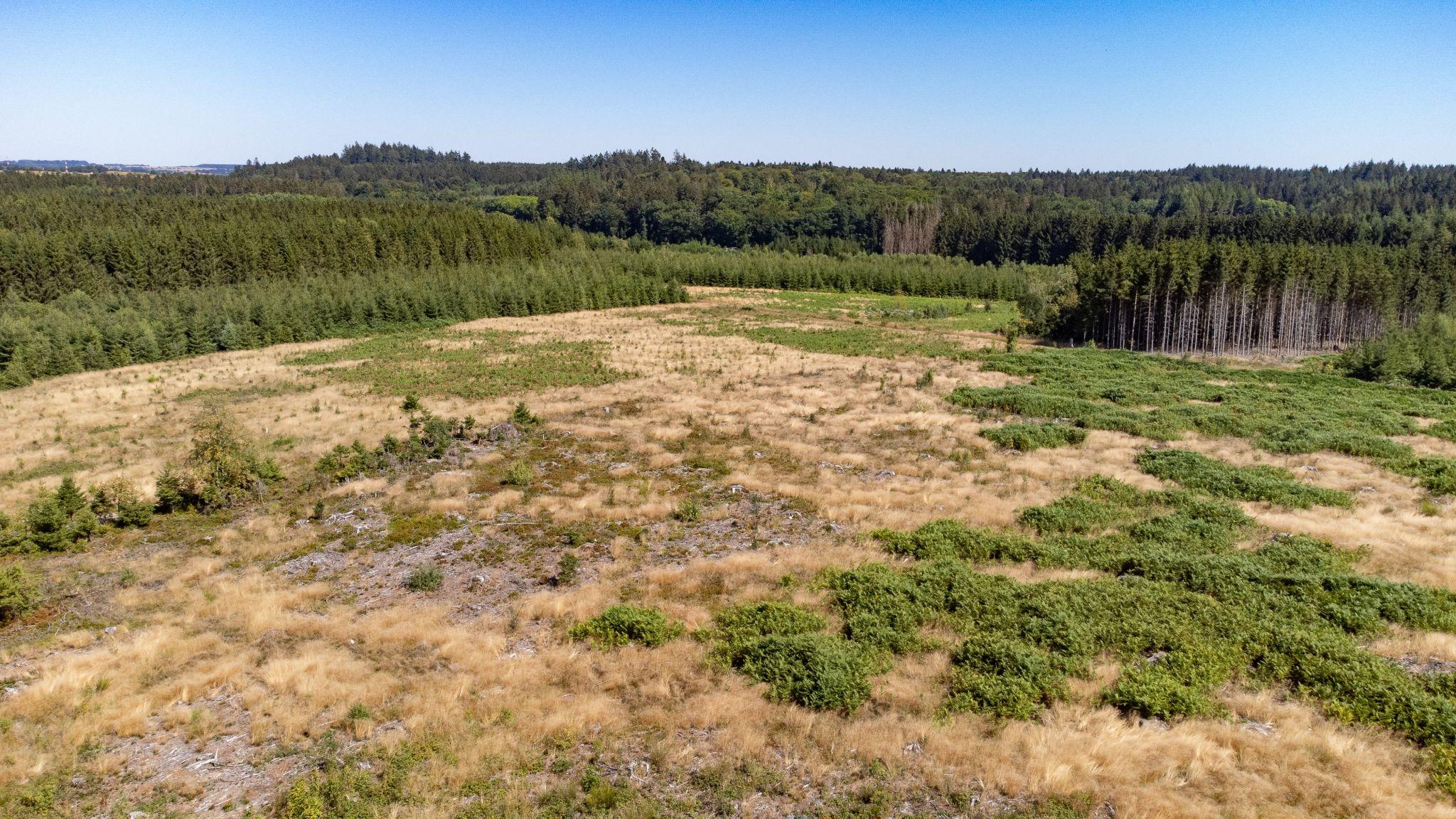
The latest assessment comes after a spring and summer characterised by drought and repeated heatwaves. Although rainfall temporarily improved conditions during August and early September, previous official assessments found that precipitation was insufficient to return water resources to normal.
Brussels Environment said in its latest assessment: “After a spring and summer marked by drought and several heatwaves, the start of autumn is also particularly dry.”
The authority added: “Drinking-water supply remains a major point of attention, as does the situation in natural areas.”
Those statements, reported on 23 September, are the latest official comments explaining why the Brussels drought warning remains in place.
Drinking-water supplies remain under scrutiny
At the previous detailed assessment on 10 September, Brussels Environment said the return of rain and milder temperatures had produced a slight improvement. However, rainfall during preceding weeks had not been sufficient to normalise conditions.
At that stage, officials said the main non-navigable waterways were not at critical seasonal levels. Groundwater levels were continuing their seasonal decline but remained favourable compared with annual averages because of winter rainfall. The risk of fires in natural areas had also fallen back to green status.
Earlier assessments confirmed that Vivaqua’s drinking-water distribution was operating normally, while authorities continued monitoring resource availability.
Authorities continue to call for careful water use
Yellow status means Brussels residents and organisations are still being asked to avoid unnecessary consumption of drinking water.
During earlier stages of the alert, authorities specifically urged people to postpone non-essential uses such as washing vehicles, filling swimming pools, unnecessary cleaning of pavements and terraces, and watering lawns.
The continuing Brussels drought warning is therefore intended to reduce pressure on water resources while prolonged dry conditions persist.
Drought conditions will remain under review
Brussels authorities will continue monitoring drinking-water supplies, rainfall and environmental conditions before deciding whether the yellow level can be changed.
No date has been announced for lifting the vigilance phase. For now, the yellow drought status remains in force and responsible use of mains water continues to be advised across the Brussels-Capital Region.