Antwerp (Brussels Morning Newspaper) – Commuters faced significant delays on Saturday evening as a lane blockage near the Kennedy Tunnel on the Antwerp Ring triggered a traffic jam lasting over half an hour in the direction of Ghent from Borgerhout.
What Caused the Latest Disruption?
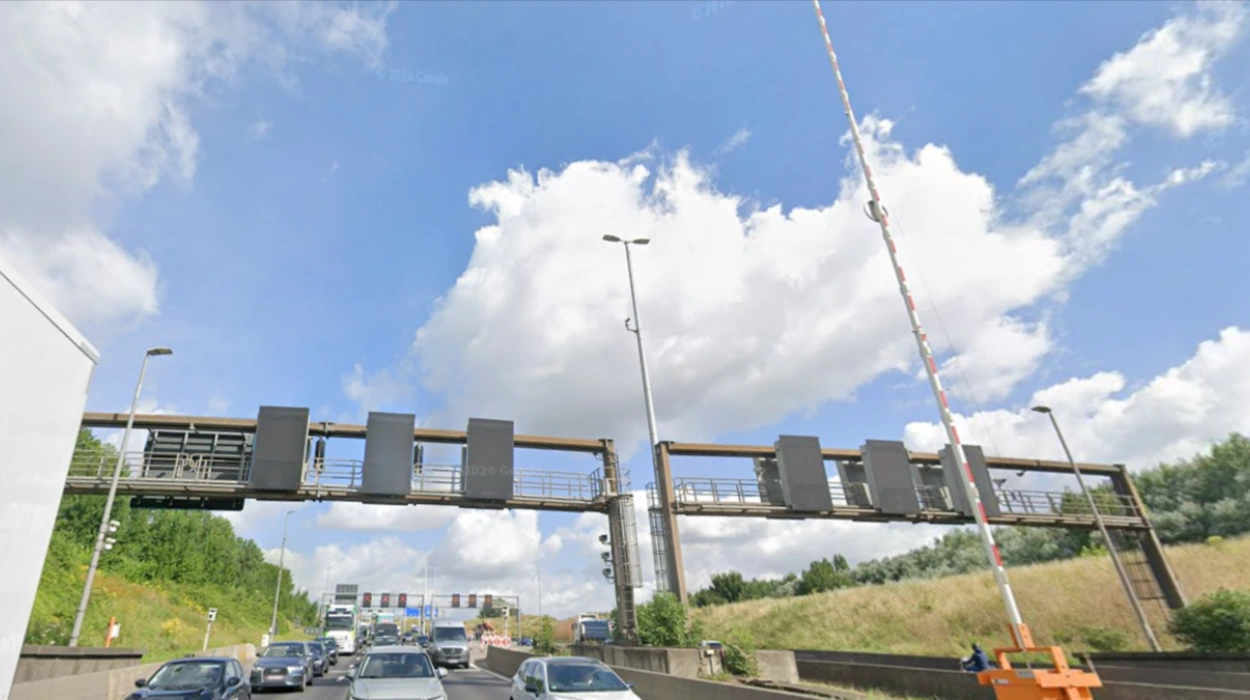
The accident happened at a time when the flow of traffic is at its maximum on one of the busiest stretches of roadways in Belgium. The Flemish Traffic Centre (Vlaams Verkeerscentrum) reported that the obstruction in one of the lanes in the neighborhood of Kennedy Tunnel at Borgerhout caused a bottleneck that led to considerable delay of vehicles going to Ghent.
“The disruption affected the evening rush hour period, with congestion building earlier than usual due to the incidents,”
traffic monitoring services reported, highlighting how the Kennedy Tunnel area remains a critical pinch point on the Antwerp Ring (R1). The blockage caused queues extending from the Kennedy Tunnel area, with drivers experiencing delays exceeding 30 minutes during what should have been a routine commute.
How Severe Was the Impact on Commuters?
The road jam has caused inconvenience to hundreds of drivers on their journey during the evening hours. The Flemish Traffic Centre, which constantly keeps track of the traffic situation in Flanders, has found that the Kennedy Tunnel road segment is one of the most vulnerable segments of highways in Belgium and even small incidents may cause heavy disruptions there.
“Multiple accidents on the Antwerp Ring triggered early evening rush hour congestion, with the Kennedy Tunnel area being a particular pinch point,”
officials from the traffic monitoring service stated. The combination of high traffic volume and limited alternative routes in the tunnel section meant that the single-lane blockage had an outsized impact on overall traffic flow.
Why Is the Kennedy Tunnel So Problematic?
The Kennedy Tunnel has always been known to be among the most difficult stretches of highways in Belgium. The tunnel passes under the Scheldt River and does not have emergency shoulders, while a possible alternative is not available.
“Structural constraints make the Kennedy Tunnel one of the most vulnerable points on Belgium’s highway network,”
traffic analysts have noted in previous assessments.
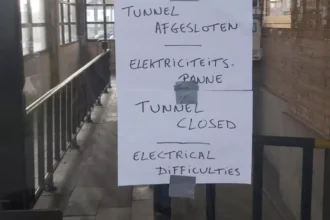
The design of the tunnel is such that if one lane gets jammed, there will not be enough room for the emergency services to perform their duties and there is also no other way out of directing traffic to avoid secondary congestion on other routes. At peak hours, which are between 07:00 and 09:30 in the morning and between 16:00 and 19:00 in the evening, the Kennedy Tunnel often gets jams of 5 to 15 kilometers long in both directions. The tunnel can also be closed completely if the fire alarm is set off or if wind gusts exceed 100 km/h.
What Similar Incidents Have Occurred Recently?
The latest disruption follows the trend of similar disruptions that have occurred in the Kennedy Tunnel area throughout 2026. On August 27, a broken truck obstructed the middle lane of the Kennedy Tunnel for an hour at morning peak hours and caused heavy traffic in the direction of Ghent. Three days before, on August 19, an accident that occurred in the vicinity of Berchem obstructed three lanes for an hour, causing one person to get injured and causing the authorities to recommend people to use Brussels as an alternate route.