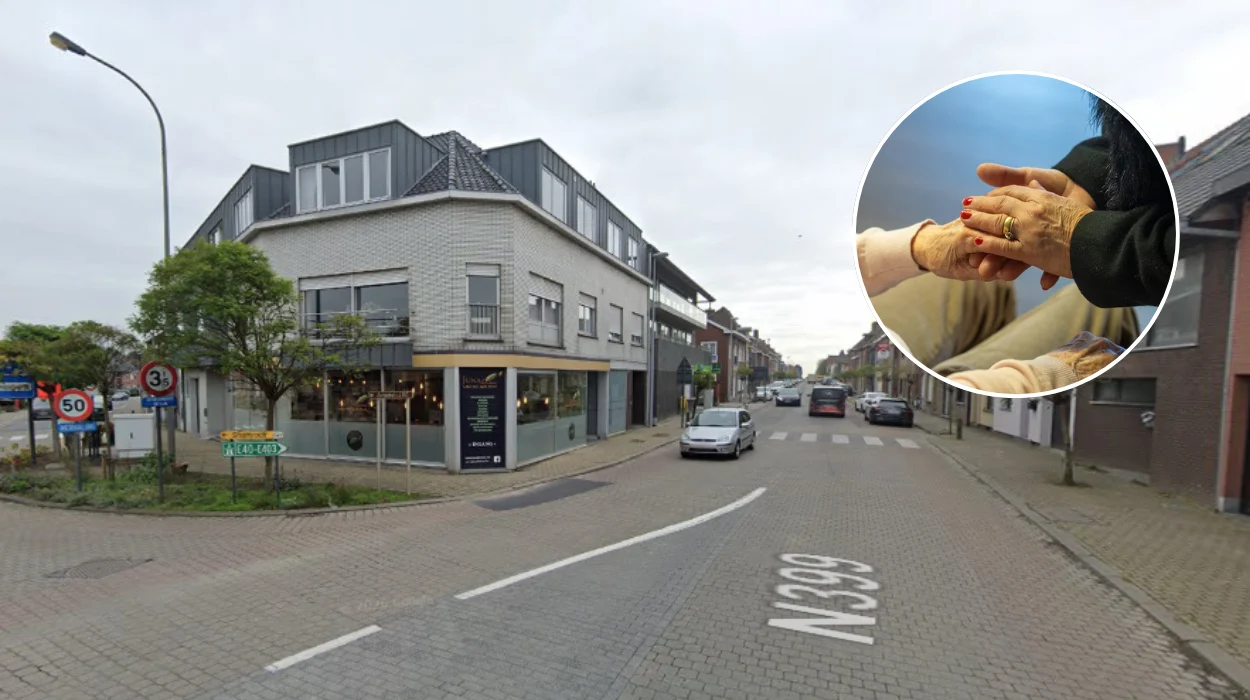
Tielt (Brussels Morning Newspaper) – The city of Tielt in West Flanders has started a new project for the care of neighborhoods that will assist old and dependent individuals to stay at home for as long as possible. In the first week of September, the municipal welfare office will organize face-to-face meetings that will help the needy people get in touch with the volunteers.
Why is Tielt launching a new neighbourhood-care scheme?
The city officials of Tielt justify this initiative based on a gap in the current aid structure. Even though most of the community members are ready to assist each other through technological aids like Hoplr, those who need the most help do not utilize these technological tools.
Welzijnsschepen (Alderman for Welfare) Pascale Baert, of the local list Iedereen Telt, explains that
“Helaas zijn het net de mensen die het meest baat hebben bij die hulp, die de weg naar dat platform niet vinden”
(“Unfortunately, it is precisely the people who would benefit most from that help who do not find their way to that platform”). To address this, the city is shifting from a purely online model to face-to-face neighbourhood meetings where care-seeking residents and potential volunteers can meet directly.
How will the neighbourhood meetings work?
Starting on Tuesday, 8 September 2026, Tielt will host six consecutive evenings from 19:00 onwards on Tuesdays in various places around the city and surroundings. This will happen at Club 77, OC Caeneghem, Oud Gemeentehuis in Aarsele, Dienstencentrum ’t Vijverhof, Meulebeke town hall, and Dienstencentrum Ter Deeve. These meetings are specifically meant for the meeting of older people or people in need of care with people who are willing to be helpers and recruiting other helpers apart from those on Hoplr.
Baert notes that
“Daar willen we verandering in brengen door een aantal buurtbijeenkomsten te organiseren, waarop hulpbehoevenden rechtstreeks in contact gebracht worden met geïnteresseerde vrijwilligers”
(“We want to change that by organising a series of neighbourhood meetings, at which people in need of help are brought into direct contact with interested volunteers”). All information and registration for the initiative is handled through the dedicated email address buurtcoach@ztielt.be.
What roles are volunteers being asked to take on?
The city is seeking out two different kinds of volunteers, each with its own specific objective. Firstly, there are the “buurthelpers”, or neighbourhood helpers. These people will give practical and tangible help to citizens in their own home or neighbourhood environment. Examples include going shopping, taking people to the doctor, and administrative errands. The main group of people these neighbourhood helpers are to serve are elderly and otherwise care-dependent citizens, who want to live independently.
Secondly, there are the “buurtambassadeurs” or neighbourhood ambassadors. These are not going to do much direct care. Instead, they will be doing needs-mapping, connecting people and services, and shaping initiatives to make more cohesive neighbourhoods. The point is to have better-connected neighbourhoods, where issues are identified sooner and solved by all, rather than only when it comes to a crisis.
Which existing services does the initiative build on?
Tielt already has quite some formal institutions set up for the welfare of seniors and vulnerable residents. A thuiszorgcoördinator (home care coordinator), namely Louise Snauwaert, is available on weekdays mornings and afternoons (by appointment) at Deken Darraslaan 1 as a first port of call in case of any queries regarding home care. Another service offered by the city council is the Digic@fé, which involves free assistance of volunteers in addressing all digital issues of the residents above 65 years of age on the first and third Mondays of each month.
Moreover, there are several residential care centers run by care providers, such as GVO / De Zonnewende, for providing permanent residence, short stay, day care, and home guidance facilities. The Sint-Vincentiusvereniging in Tielt has been providing voluntary services, including food packets for needy people. The initiative of neighborhood care is supposed to complement this existing welfare infrastructure.