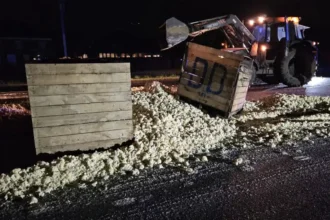
Rasuwa, Nepal, 27 August (Brussels Morning Newspaper) – Nepal flash flooding tore through Himalayan valleys near the border with Tibet after a major glacier collapse unleashed water, ice, rock and debris downstream, devastating communities and leaving rescuers facing difficult conditions in remote mountain terrain.
The disaster developed rapidly on Wednesday, with the force of the surge damaging roads, bridges, buildings and other infrastructure. Emergency teams have since been searching affected valleys while authorities assess the continuing danger from unstable slopes and blocked waterways.
Glacier collapse unleashed a sudden mountain surge
Early reports raised questions over whether an earthquake had triggered the disaster after seismic activity was detected near the Nepal-China border.
Subsequent analysis indicated that the signal was associated with a large glacial collapse rather than a conventional earthquake. Reuters reported that part of a Himalayan glacier collapsed into the valley, sending ice, rock and debris towards the Lhende Khola river system.
The material is believed to have obstructed the river temporarily, allowing water to accumulate before the blockage failed. The resulting surge then travelled rapidly through the steep valley below.
Narrow valleys amplified the destructive force
Nepal’s mountainous geography helped make the event particularly dangerous.
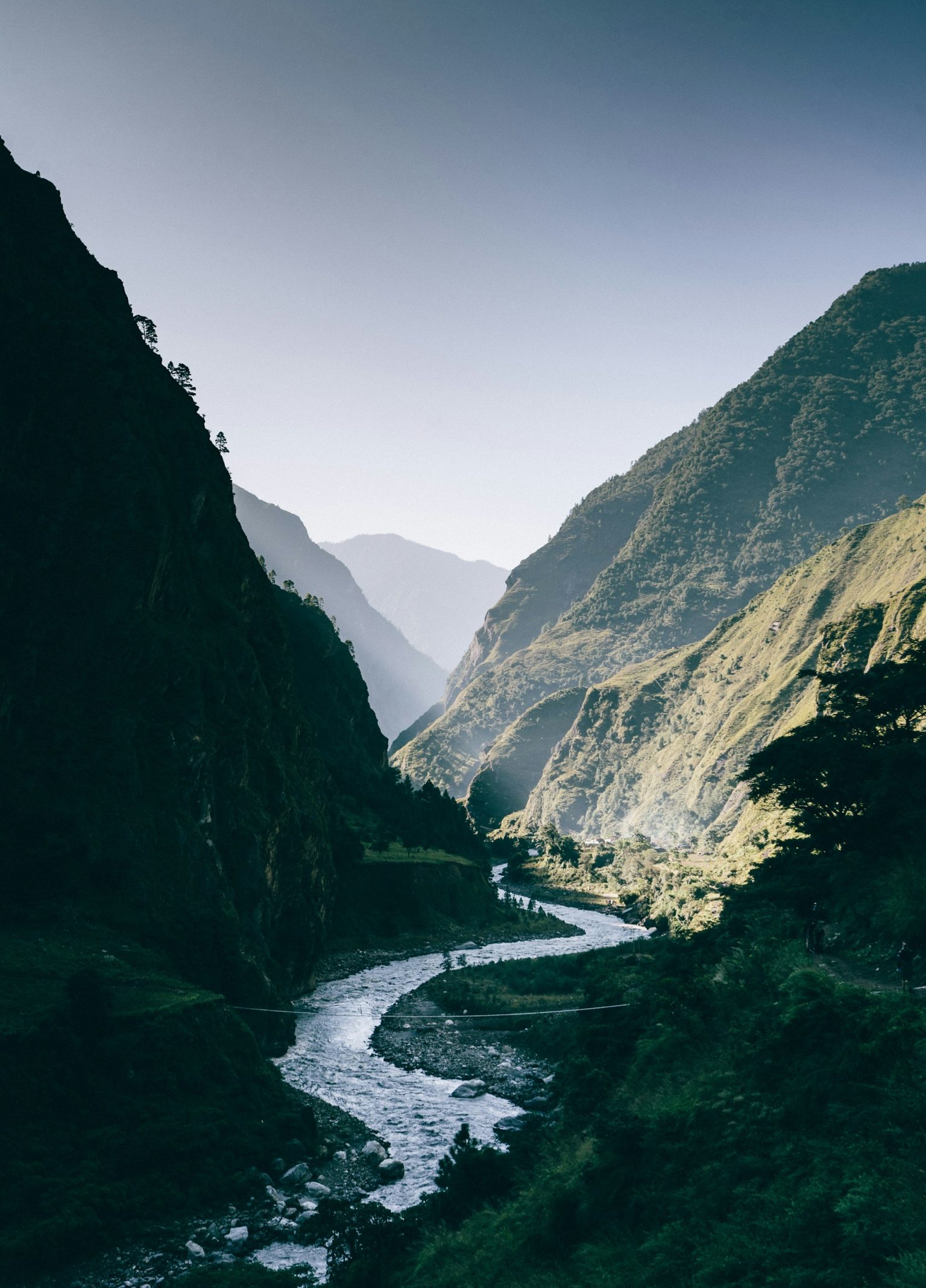
Water and debris channelled through steep, narrow valleys can gain considerable destructive force before reaching settlements downstream. Communities located beside rivers may have very little time to respond when such events begin high in inaccessible mountain areas.
The Nepal flash flooding damaged transport connections and complicated rescue operations, with broken roads and bridges making some communities harder to reach.
The destruction also demonstrates how one high-altitude event can quickly affect settlements and infrastructure many kilometres downstream.
Himalayan warming is reshaping the risk
Scientists have long warned that the Himalayas are highly vulnerable to rising temperatures.
Glaciers can retreat and become unstable as temperatures increase, while growing quantities of meltwater can contribute to the formation or expansion of glacial lakes. Landslides, collapsing ice or rockfalls can then displace water or temporarily block rivers.
The International Centre for Integrated Mountain Development has previously warned that glaciers across the Hindu Kush Himalaya could lose a substantial proportion of their remaining volume this century depending on future warming.
Such changes do not mean every individual flood can automatically be attributed to climate change. However, they are altering the wider environment in which dangerous glacial and mountain hazards develop.
Damaged infrastructure leaves communities exposed
The consequences extend beyond the immediate rescue operation.
Destroyed or damaged roads and bridges can isolate mountain settlements, interrupt trade and restrict access to food, healthcare and emergency supplies. Damage to electricity and hydropower infrastructure can also create longer-term disruption.
Tourism could face consequences where trekking routes, border crossings and mountain transport networks have been affected.
Rebuilding in steep Himalayan terrain is expensive and technically difficult, particularly where authorities must also consider whether damaged locations remain exposed to future floods or landslides.
Cross-border warnings face a difficult test
The disaster also highlights the importance of cooperation between Nepal and China because Himalayan river systems and hazards do not stop at national borders.
A glacier collapse or landslide occurring upstream in Tibet can potentially threaten communities downstream in Nepal before local authorities have enough information to issue effective warnings.
Improved monitoring of glaciers, rivers and unstable mountain slopes could therefore become increasingly important. Rapid sharing of upstream data may provide valuable additional warning time where conditions allow.
Future floods could demand stronger defences
The immediate priority remains searching affected areas, restoring access and determining whether additional river blockages or unstable slopes threaten communities.
Beyond the emergency response, Nepal flash flooding is likely to increase attention on early-warning systems, resilient bridges and roads, glacier monitoring and evacuation planning.
For Himalayan communities, the longer-term challenge is increasingly clear: authorities must prepare infrastructure and emergency systems for dangerous mountain events that can develop quickly and leave settlements with only a narrow window to respond.