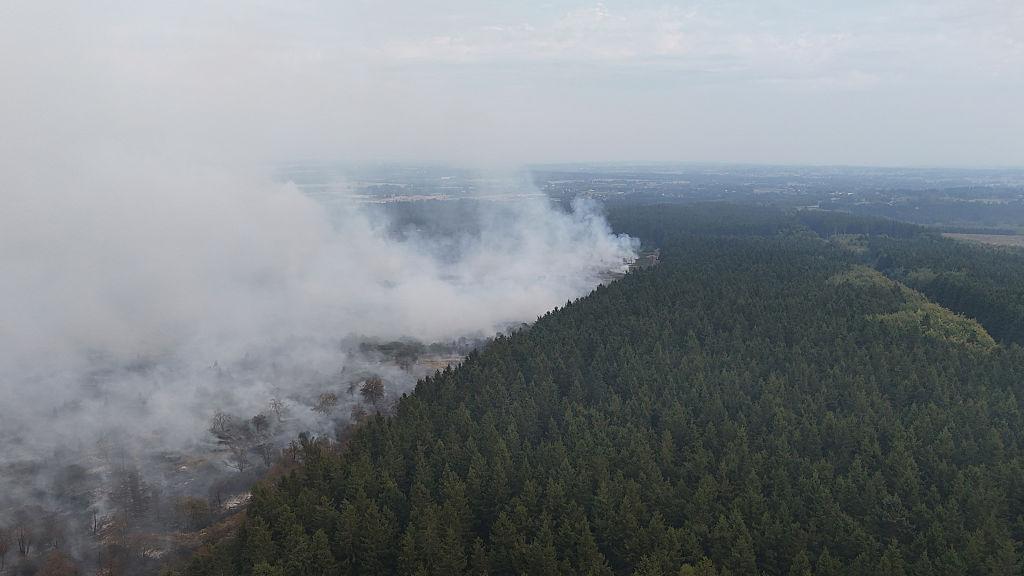
High Fens, Belgium, 19 August (Brussles Morning Newspaper) As firefighters battle the High Fens fire, one question has become increasingly visible around the emergency: where are the Canadairs? The large water-bombing aircraft are closely associated with Europe’s most serious summer wildfires, yet Belgium does not have a Canadair fleet of its own.
That does not mean the country has been left without aerial firefighting support. Belgium’s system relies on helicopters, ground crews and, when an incident exceeds national capabilities, assistance from other European countries.
Why Belgium does not have its own Canadairs
Canadair water bombers are specialist aircraft built for a demanding job. Amphibious versions can descend onto suitable stretches of water, scoop up thousands of litres and return quickly to make another drop.
They are particularly valuable in countries that face frequent and extensive wildfires.
Belgium, however, has traditionally dealt with a lower wildfire risk than Mediterranean countries such as France, Greece, Italy and Spain. Rather than maintaining its own permanent fleet of large water bombers, it has relied on national emergency resources backed by cross-border and European assistance when necessary.
That explains why seeing a major fire in Belgium does not automatically mean Canadairs will appear overhead.
Europe can send aircraft when Belgium needs help
Belgium can seek additional firefighting resources through the EU Civil Protection Mechanism when an emergency stretches domestic capacity.
The European Commission strengthened that system ahead of the 2026 wildfire season. Its preparedness arrangements included a European reserve of 22 firefighting aircraft and five helicopters, alongside hundreds of firefighters positioned to reinforce national services during severe fires.
The aircraft available through that network are not all Canadairs. Depending on the request and what participating countries can provide, assistance can include helicopters as well as different types of fixed-wing water bombers.
For firefighters on the ground, the aircraft type is less important than getting suitable resources to the right place quickly.
High Fens landscape makes this a difficult fire
The High Fens fire is also a reminder that water drops alone cannot extinguish every wildfire.
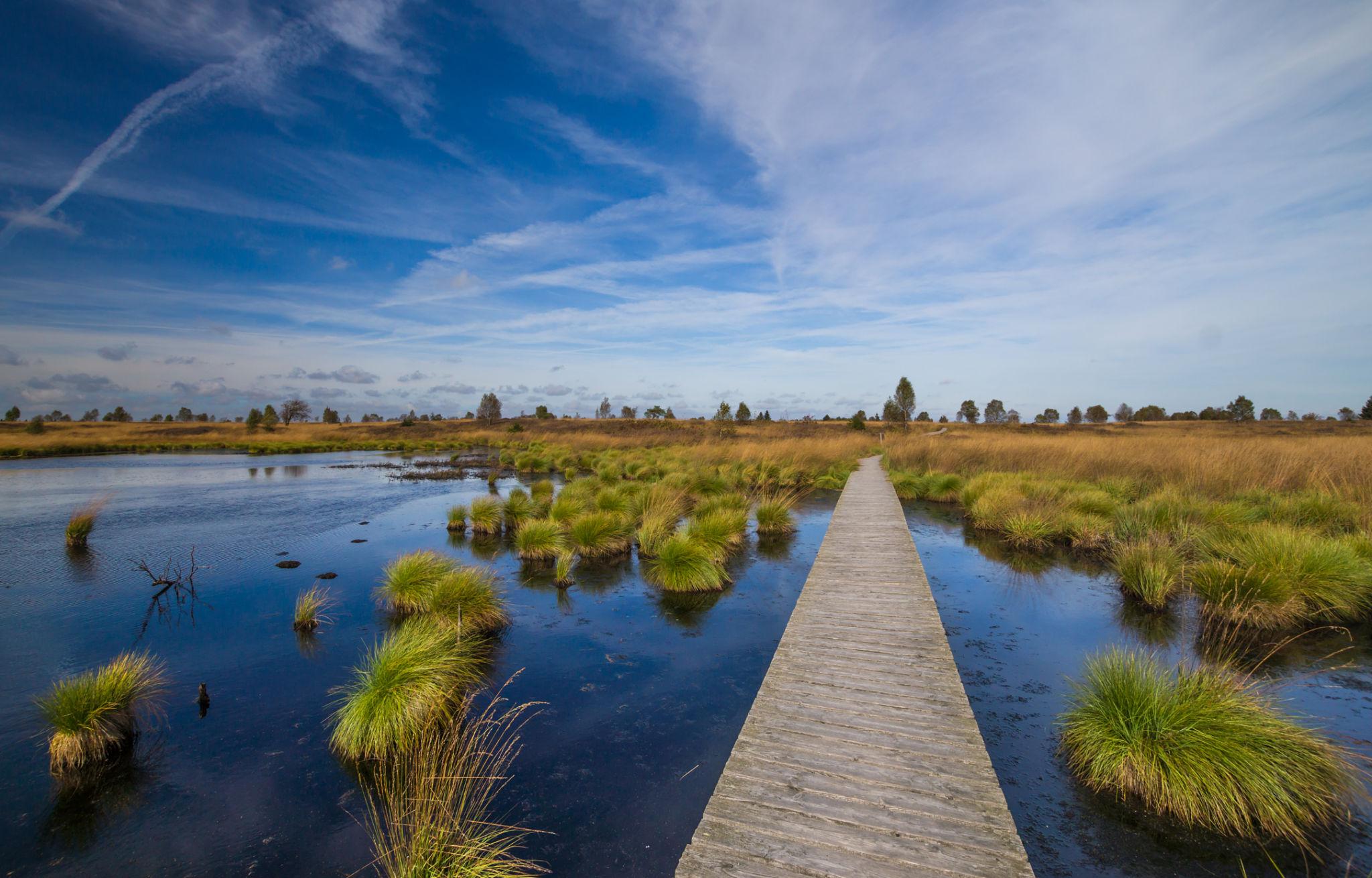
The nature reserve’s mixture of woodland, heath and peat creates difficult conditions for emergency crews. Peat is particularly troublesome because fire can continue to smoulder beneath the surface after visible flames have disappeared.
That makes ground operations crucial.
Firefighters have to locate and extinguish hotspots, secure burned areas and watch for fresh outbreaks. Aircraft can slow a fire’s advance and reduce the intensity of flames, but crews on the ground still have to finish the job.
Weather adds another complication. Smoke, poor visibility and wind can limit when aircraft can operate safely, meaning even a large aerial fleet cannot guarantee continuous coverage.
Canadairs have flown over the High Fens before
Belgium’s lack of a permanent Canadair fleet does not mean the aircraft have never been considered for the region.
After serious wildfires in 2011 exposed the challenges of fighting large fires in Belgium, authorities worked on procedures for obtaining aerial assistance from abroad.
In 2013, French firefighting aircraft, including a Canadair, took part in an exercise in the High Fens. The operation demonstrated how foreign aircraft could work alongside Belgian emergency services during a major wildfire.
The approach reflects a wider European principle: specialist equipment can be shared across borders when individual countries face exceptional emergencies.
Could Belgium buy its own firefighting aircraft?
The scale of the latest blaze is likely to bring Belgium’s wildfire preparedness back into focus.
Owning water-bombing aircraft would give the country dedicated national capacity, but it would also involve substantial spending on aircraft, crews, maintenance, training and operational infrastructure.
The alternative is the model Belgium already uses — investing in domestic firefighting capability while drawing on European resources during the most serious incidents.
As wildfire conditions become more challenging across Europe, the balance between those approaches could receive greater political scrutiny.
What happens next?
For now, the priority remains containing the fire, extinguishing remaining hotspots and protecting the surrounding landscape.
Once the emergency phase ends, authorities will be able to assess the damage and review how effectively national and international resources worked together.
The High Fens fire has already raised a wider question for Belgium: whether a country that historically had little need for its own fleet of large water bombers can continue relying primarily on shared European capacity as wildfire risks evolve.