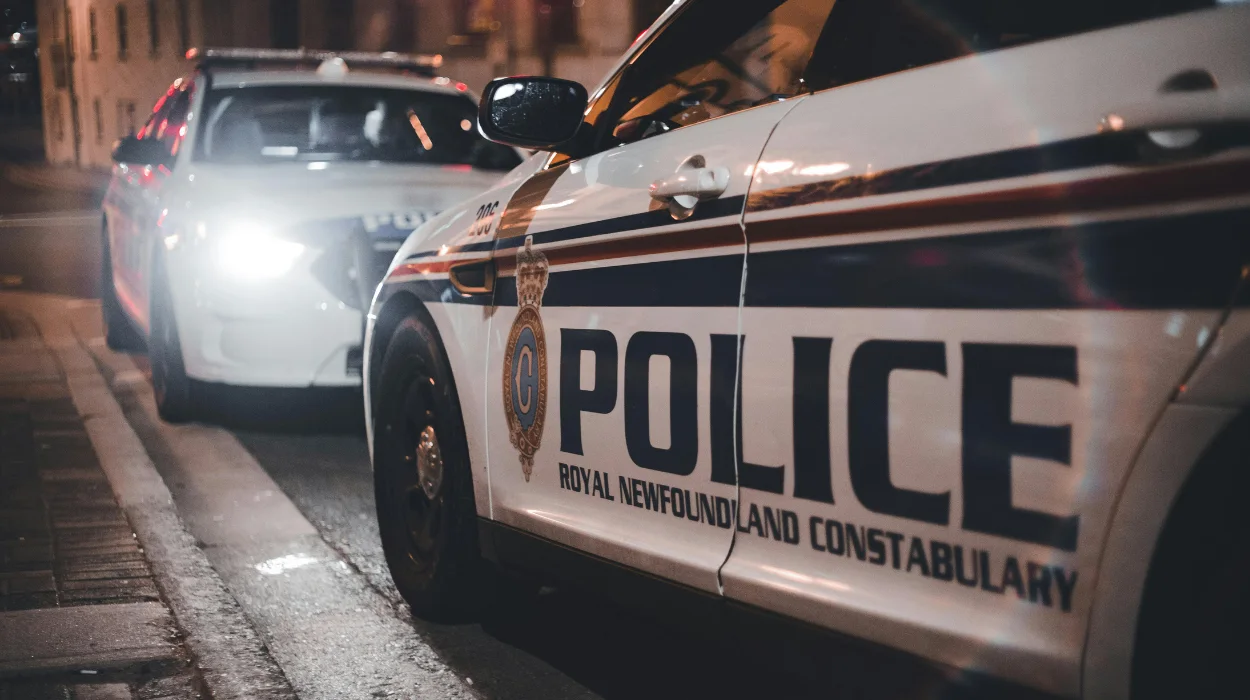
The local police force of Sint-Truiden-Gingelom-Nieuwerkerken has put three new fully electric Hyundai Inster vehicles into service for neighborhood patrol, replacing three decommissioned service cars and marking another step in the zone’s shift toward sustainable mobility. The vehicles were purchased from Garage Merinsky under the Gestroomd.be framework agreement, a public-sector procurement channel used by Belgian municipalities and police zones for electric vehicles and related infrastructure.
- What exactly did the police zone announce?
- Why are electric vehicles being used for neighborhood patrol?
- How do the new Hyundai Inster cars fit daily policing needs?
- Through which channel were the electric patrol cars procured?
- What is not disclosed about cost, specs and charging?
- How does this move fit broader trends in police fleet electrification?
What exactly did the police zone announce?
It has been officially stated by the police zone on 18 August 2026 that the neighborhood service of its area has been provided with three brand new electric cars of Hyundai Inster. As per the reports of the local area, the three electric cars have replaced the three old service vehicles of the neighborhood and therefore the number of vehicles has not changed. This purchase has taken place through the help of Garage Merinsky, the local Hyundai dealer under the Gestroomd.be system.
Why are electric vehicles being used for neighborhood patrol?
This decision takes into account not only the policy goal of a cleaner public transportation but also the realities of the functioning of the wijkdiensten. Though the wijkdiensten use bicycles to have low-threshold communication with local residents and association members, the use of cars is important for rapid patrol of the whole police zone.
Korpschef (police chief) Fabrice Curto underlined this balance, stating,
“Hoewel wijkinspecteurs vaak de fiets gebruiken om laagdrempelig contact te onderhouden met bewoners, verenigingen en handelaars, blijven dienstvoertuigen noodzakelijk om zich snel en veilig over het volledige grondgebied van de politiezone te kunnen verplaatsen.”
In other words, bicycles support community engagement, but service vehicles are still required for rapid, secure mobility across the zone’s full area.
How do the new Hyundai Inster cars fit daily policing needs?
The Hyundai Inster is an all-electric, compact crossover designed to be used in city areas, and the WLTP range for the European version is from 360 to 370 km (223 to 229 miles) when it has the larger 49 kWh battery option. Such a combination of features as the range and DC fast charging of 85 kW is appropriate for neighborhood patrols since such a duty cycle involves frequent start-stops and overnight charging in a l.
Curto highlighted the operational fit, noting,
“De keuze voor elektrische voertuigen sluit aan bij de maatschappelijke evolutie naar duurzamer vervoer en biedt ook operationele voordelen. De voertuigen zijn stiller, veroorzaken geen lokale uitstoot en zijn bijzonder geschikt voor de dagelijkse verplaatsingen van de wijkdienst.”
The quieter drivetrain and zero local emissions are particularly relevant in residential streets and near schools, where police presence is frequent but noise and exhaust are undesirable.
Through which channel were the electric patrol cars procured?
These three Insters have been procured on the basis of the Gestroomd.be framework agreement, which is a system of demand aggregation for electric cars in the Belgian public sector, where the demand for charging services for electric cars can also be coordinated among municipalities, police zones, etc. Through the use of this framework, it is possible to avoid additional administrative work in comparison with separate tenders, thanks to the fact that there are standardized technical specifications and pricing conditions, which make the process easier. The announced supplier is Garage Merinsky, the Hyundai dealership operating in Sint-Truiden.
What is not disclosed about cost, specs and charging?
While the release contains details of the model, vehicle numbers, dealers and procurement process, it does not reveal the cost of the contract, cost per vehicle and the specific trim line and battery capacity selected. Moreover, it lacks information on the adaptation of the cars for police work (light bars, siren, radio, partitions inside), along with the charging capacity at the police station (charger capacity and charging time schedule). There were no numerical estimates for the reduction in CO2 emissions, fuel consumption or maintenance costs when comparing the old and new fleet.
How does this move fit broader trends in police fleet electrification?
The Sint-Truiden-Gingelom-Nieuwerkerken Zone’s plan follows a broader trend in Europe, where police forces and municipal services are increasingly making use of small, efficient EVs for their neighborhood/community policing duties. This works well because of the predictability of distance covered daily, overnight charging facilities, and the silent operation in the dense city environment, along with fulfilling the climate-change goals of the public sector. Using the nationally recognized platform of Gestroomd.be also shows that EV purchases by law enforcement agencies have become part of the norm.